
Summary preview
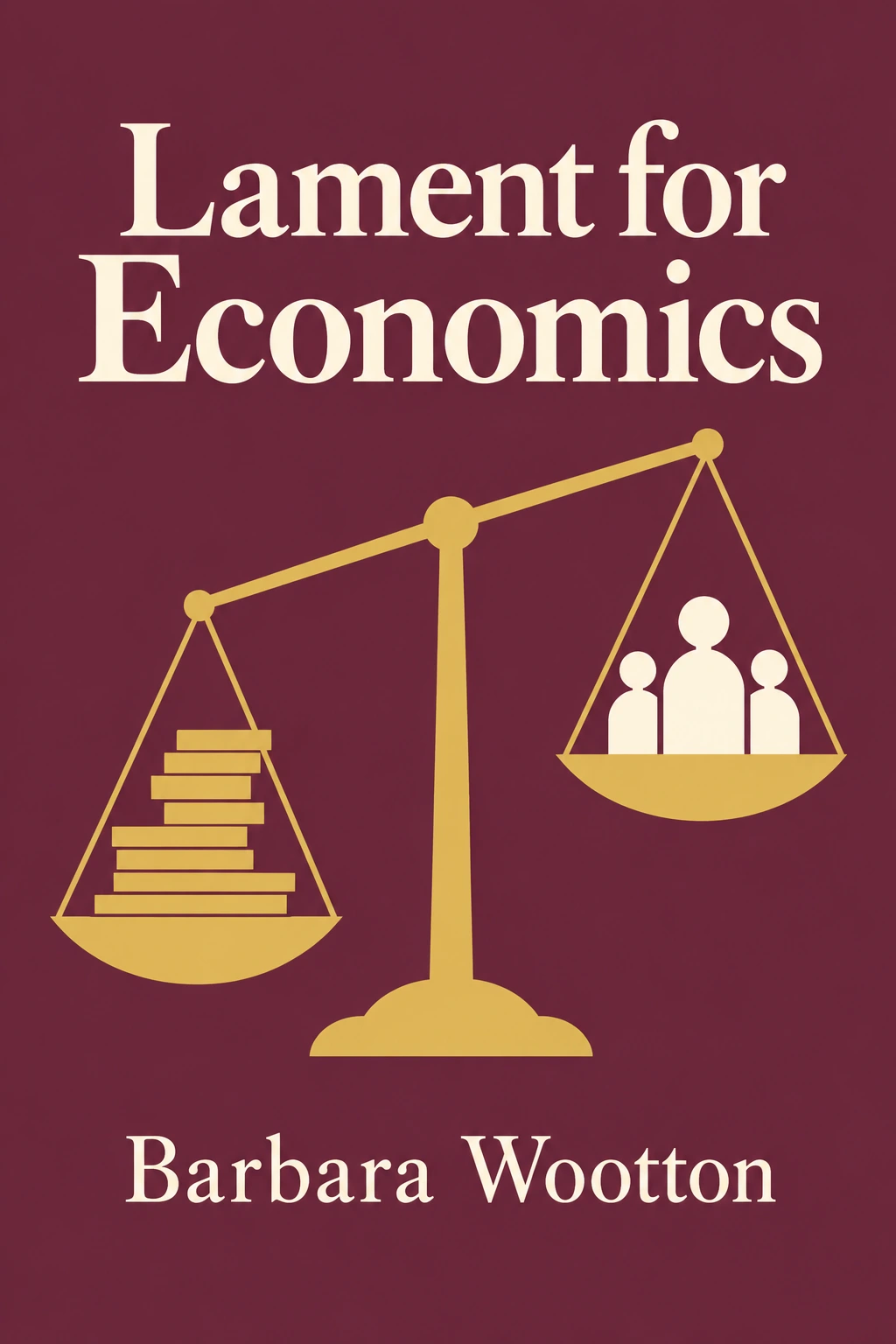
Economics: Bridging Theory and Reality in the Early 20th Century This exploration delves into the critical relationship between economic theories and real-world economic issues, questioning the nature and significance of economic science, its potential for justifying the status quo (apologetics), and the concept of economic individualism. The early 20th century, a period of significant societal transformation and chaos, serves as a backdrop for these enduring debates. The Tangled Web – Economic Theory vs. The Real World Economic theories, often elegant and mathematically sound, frequently struggled to align with the messy realities of early 20th-century industrialization. Models focused on efficiency and rational actors often overlooked the human cost of wealth creation, such as poor working conditions and vast inequality. This disconnect between abstract models and concrete reality led to flawed policy decisions, with theories sometimes used to justify laissez-faire approaches that exacerbated poverty. The core tension lies in the gap between simplified theoretical assumptions (perfect information, rational decision-making, absence of externalities) and the complex, often irrational, human behavior and societal structures of the real world. This highlights the need for economic theory to be grounded in reality, questioning its ability to solve problems versus merely describing them. The distinction between 'is' (descriptive theory) and 'ought' (prescriptive application) is crucial, as descriptive theories are often used to justify policies with negative social consequences. The assumptions embedded in models, like the 'rational actor,' simplify human behavior and can lead to inaccurate predictions. Ignoring externalities like environmental degradation further limits the applicability of these models. Ultimately, this section emphasizes the need for intellectual humility in economics, recognizing theories as useful tools with limitations, and fostering a continuous dialogue between abstract models and concrete human lives. The Gap Between 'Is' and 'Ought' Economic theories often describe how things work ('is'), but are frequently used prescriptively to argue how they should be ('ought'). This can lead to the justification of policies with negative social outcomes, prompting critiques and the search for alternative economic frameworks. The Role of Assumptions Models rely on assumptions like the 'rational actor' and often treat economies as closed systems, ignoring crucial external factors and the complexities of human behavior (altruism, biases, emotions), leading to incomplete predictions and an inability to grapple with issues like climate change. The Need for Humility Economics requires intellectual humility, acknowledging that theories are tools with limitations. Recognizing when a theory is applicable and when its predictions might be flawed is vital for economics to be a force for positive change, rather than just an academic discipline. The