
Summary preview
Stoicism: The Path to Wisdom, Calmness, and Virtue
Stoicism is far more than an ancient philosophical school; it's a living, practical system of thought designed to make us stronger, wiser, and happier in the real world. In an era where many seek answers to life's eternal questions about meaning and how to overcome difficulties, Stoicism offers time-tested tools for self-improvement and the attainment of inner harmony.
I. What is Stoicism?
"Of all people, only those have leisure who make time for philosophy; only they truly live. Not content with merely keeping a watchful eye on their own days, they annex every age to their own. The whole span of the past is added to their possessions," wrote Seneca. These words beautifully capture the essence of Stoicism: it is a philosophy that helps us make the most of every moment, drawing upon the wisdom of past generations. Stoicism is often mistakenly perceived as a path to emotional detachment or indifference. In reality, it is a powerful tool for achieving self-mastery, resilience, and wisdom. It's not an abstract theory but a practical guide to action, helping us live full, meaningful lives despite inevitable challenges. Great minds throughout history—from emperors and presidents to writers and entrepreneurs—have found Stoicism a source of inspiration and strength. Marcus Aurelius, Frederick the Great, George Washington, Thomas Jefferson, Adam Smith, Theodore Roosevelt, and many others drew wisdom from this ancient tradition. Stoicism teaches us not to suppress emotions but to manage them, to cultivate virtues, and to accept the world as it is while simultaneously striving to make it better. It is a philosophy for those who wish to live purposefully, navigate challenges effectively, and become the best version of themselves.
II. How Did Stoicism Originate?
The history of Stoicism begins around 304 BCE with a merchant named Zeno. After losing almost everything in a shipwreck, he arrived in Athens. There, he discovered a philosophy that would change his life. Zeno found solace in the words: "I have made a fortunate journey when shipwrecked." He began studying philosophy with the Cynics and Megarians, and later founded his own school. This school became known as the 'Stoa Poikile,' meaning 'Painted Porch.' It was here that Zeno and his followers gathered for discussions. Interestingly, despite Zeno's significance, his followers did not name the school after him, a testament to the founder's humility.
III. Who Were the Stoic Philosophers?
Stoicism has gifted the world many outstanding thinkers whose ideas remain relevant today. Among the most renowned and influential figures, three stand out: Emperor Marcus Aurelius, the slave-philosopher Epictetus, and the statesman and playwright Seneca.
Marcus Aurelius
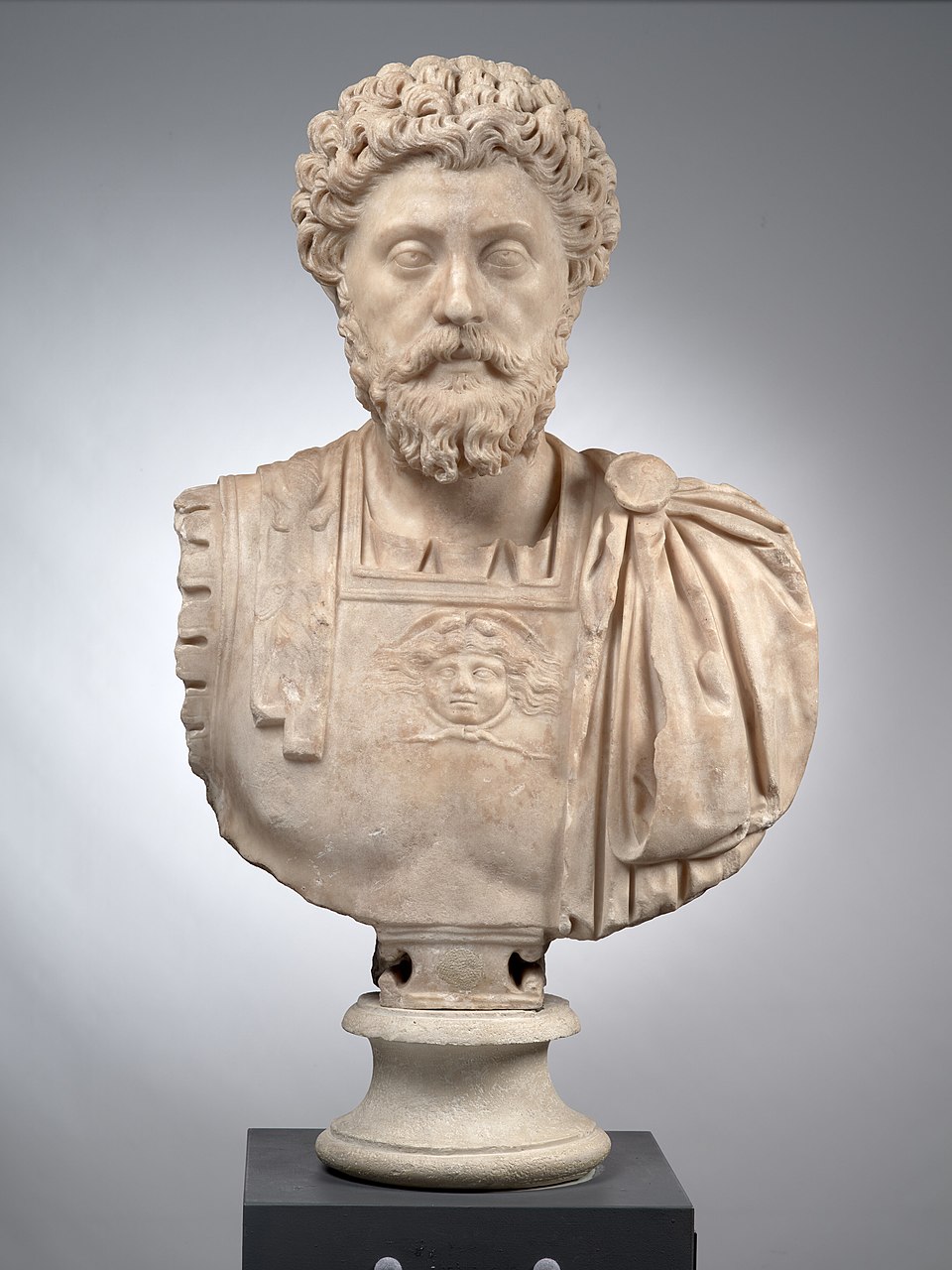
The Emperor of the Roman Empire, known as the "philosopher on the throne." His personal diaries, known as the 'Meditations' (or 'To Himself'), are one of the most valuable sources of Stoic wisdom. Despite immense power and responsibility, Marcus Aurelius constantly strove for self-improvement, reflecting on virtue, justice, and self-control. His reign occurred during difficult times—wars, plagues, internal conflicts—but he endeavored to rule with wisdom and justice, guided by Stoic principles.
Seneca
A distinguished playwright, political advisor, and philosopher. The son of a wealthy writer, Seneca received a brilliant education and became one of the most influential men of his time, serving as tutor and advisor to Emperor Nero. His letters and essays are filled with practical advice on managing anger, fear, wealth, and life's adversities. Seneca believed that philosophy should serve not only for theoretical contemplation but for the practical improvement of life, helping one cope with challenges and live virtuously.