
Summary preview
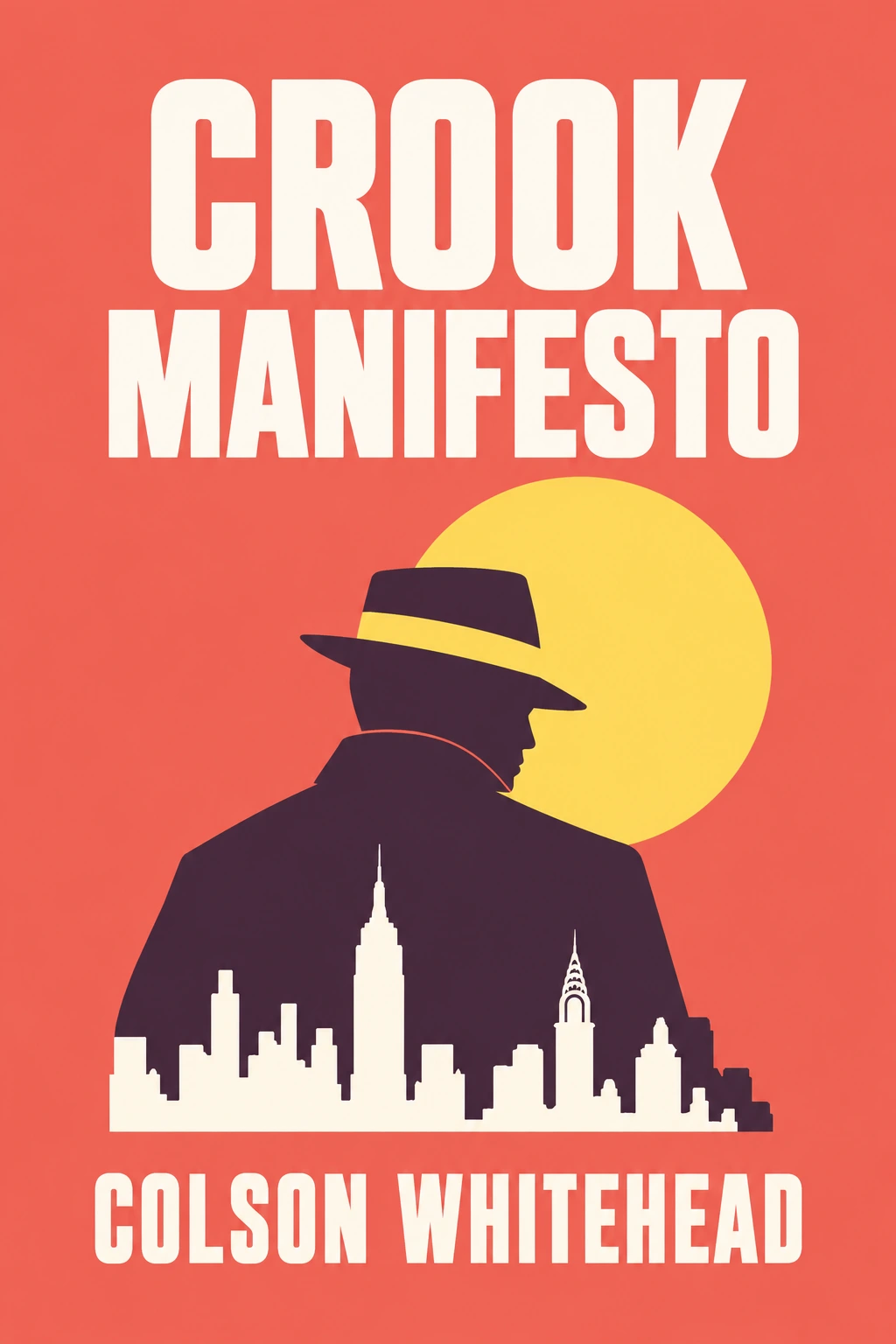
Crook Manifesto: A Deep Dive into 1970s New York's Gritty Soul The 1970s in New York City, characterized by urban decay, high crime rates, fiscal crisis, and social unrest, including clashes between law enforcement and radical groups. Colson Whitehead's 'Crook Manifesto' is described as a crime thriller with sharp social satire, noted for its immersive sensory experience and compelling storytelling. A gripping and vibrant portrayal of a city on the brink, showcasing Whitehead's skill as a narrator. The protagonist, Ray Carney, is a furniture store owner striving for respectability. He has a past as a fence, placing him in a morally ambiguous position between legitimate aspirations and the criminal underworld. Constantly balancing his desire for a straight life with the persistent allure and demands of his past. Ray's associate, Pepper, is a violent, unpredictable, and resourceful character. He serves as a chaotic element, intensifying the narrative's danger and interest. A seasoned crook who often underestimates those around him, leading to swift and brutal consequences for his adversaries. Ray Carney's simple request for Jackson 5 concert tickets for his daughter, May, leads him back into contact with his underworld past. An old police contact agrees to help but demands a favor in return, entangling Ray in a dangerous situation far beyond the concert. Highlights the city's decay, political tensions (NYPD vs. Black Liberation Army), and the precariousness of Ray's attempts to stay out of trouble. Two years later, Pepper becomes involved in providing security for a Blaxploitation film shoot in Harlem. A chaotic mix of Hollywood figures, drug dealers, hustlers, and mobsters, blurring lines between reality and illusion. Pepper navigates this world, cutting through pretense with his no-nonsense approach and proving to be a dangerous survivor. The year of the U.S. Bicentennial, with Harlem experiencing significant unrest and literal fires, reflecting underlying societal tensions. Ray attempts to create a Fourth of July advertisement for his furniture store amidst the city's decline. Ray's wife, Elizabeth, is actively campaigning for a rising politician, Alexander Oakes, introducing a political dimension. A fire injures one of Ray's tenants, appearing deliberate. Ray enlists Pepper's help to investigate, drawing them deeper into the city's corrupt underbelly. Sharp, witty, and often profane, capturing the slang and atmosphere of 1970s New York with accuracy. Often compared to Quentin Tarantino for its blend of dark humor, sudden violence, and memorable characters. Fast-paced, fun, and ribald, with a deeper resonance beyond the surface-level crime narrative. Explores the complexities of being a Black man navigating systemic inequality, building a life, and making compromises in a challenging society. Critiques the attainability of the American Dream in a rigged society, examining different characters' pursuits and compromises. Characters like Pepper