
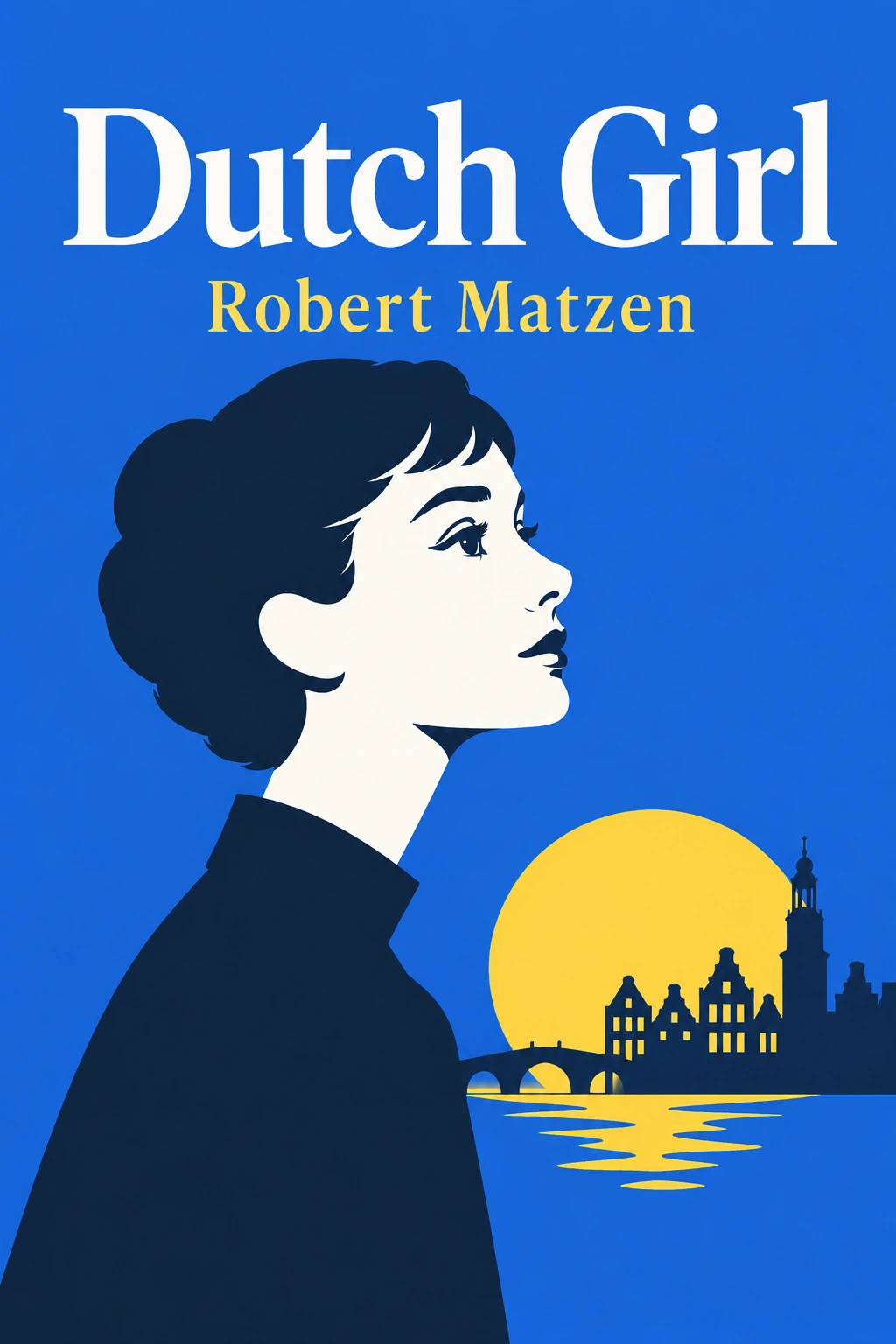
Summary preview
Audrey Hepburn: More Than Just a Hollywood Icon You probably know Audrey Hepburn, the elegant lady from Breakfast at Tiffany's and Roman Holiday. She's timelessly cool, and her work as a UNICEF ambassador is amazing. But there's a crucial, intense, and terrifying part of her life that most people don't know – the five years she lived through the brutal Nazi occupation of the Netherlands. This period, as her son Luca Dotti says, 'The war made my mother who she was,' was a defining experience that shaped her into the person she became. Her youth was marked by survival, involvement in the Dutch Resistance, working as a doctor's assistant during the Battle of Arnhem, witnessing her uncle's execution, and enduring the horrific Hunger Winter of 1944. Complicating matters, her father was reportedly a Nazi agent, and her mother was pro-Nazi initially. Yet, amidst this darkness, she found light, becoming Arnhem's most famous young ballerina and bringing joy through art. This deep dive uses her memories, interviews with contemporaries, wartime diaries, and secret Dutch archives to paint a picture of a brave survivor navigating war. It's a story of resilience, courage, and the strength of the human spirit, enhanced by never-before-seen personal photographs. The Girl Who Became a Legend: Setting the Stage Before Hollywood and UNICEF, Audrey was Audrey, a young girl in the Netherlands whose life was irrevocably altered by the Nazi occupation. This five-year period wasn't just a backdrop; it was the forge that shaped her. Luca Dotti’s assertion that 'The war made my mother who she was' is central to understanding Hepburn beyond her public persona. Biographies often overlook these harrowing years, which were crucial for her development of survival skills, understanding of resistance, and appreciation for human dignity. These formative years, lived under the shadow of war, involved rationing, fear, curfews, and the persecution of Jewish people, creating a terrifying and traumatic environment. However, Audrey was not merely a victim; she actively participated in the Dutch Resistance, a dangerous endeavor requiring courage and ingenuity. Her wartime experiences were deeply personal, including the brutal execution of her uncle and surviving the infamous Hunger Winter of 1944, a period of extreme starvation caused by a Nazi blockade. This instilled in her a deep understanding of suffering and lifelong empathy. The complexity of her family ties – her father reportedly a Nazi agent and her mother initially pro-Nazi – added further internal conflict. Amidst this darkness, she found solace and expression in ballet, becoming a promising young dancer in Arnhem, performing in secret concerts. This exploration draws on her recollections, interviews, wartime diaries, and classified Dutch archives to reveal the profound impact of these experiences on her development. The inclusion of personal photographs offers a rare glimpse into the girl behind the legend. This exploration