
Summary preview
Maus I: A Deep Dive into Art Spiegelman's Masterpiece
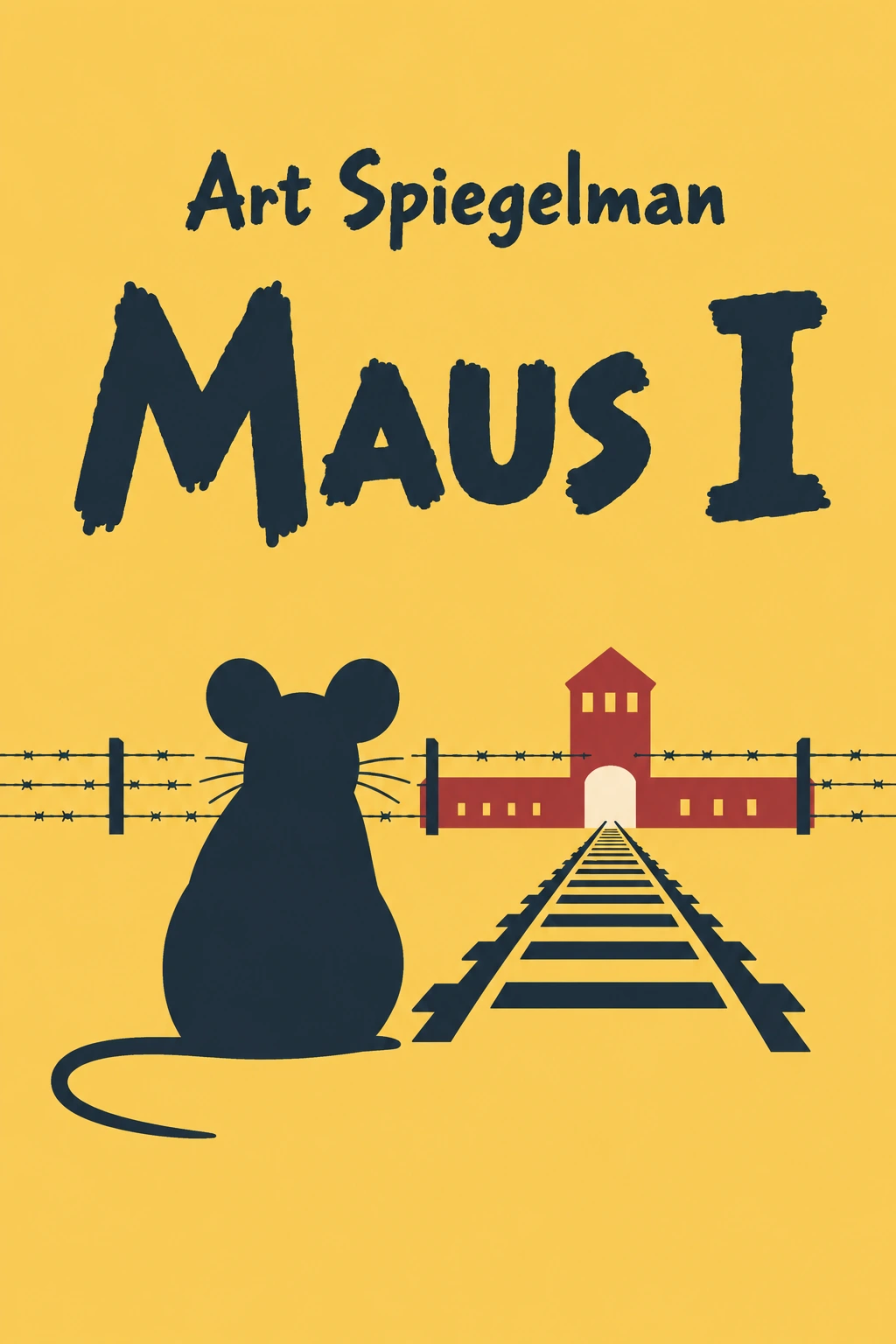
Art Spiegelman's 'Maus I' is a graphic novel memoir detailing his father Vladek's experiences during the Holocaust. It uses an animal allegory (Jews as mice, Nazis as cats, etc.) to explore history and the author's relationship with his survivor father. The narrative interweaves the present, where Art interviews Vladek, with Vladek's past. Art struggles with writer's block, guilt over profiting from trauma, and his mother's suicide. Vladek, a survivor, exhibits traits like frugality and obsession, shaped by his past. Vladek's narrative begins in Sosnowiec, Poland, before the war. He meets and marries Anja, and they have their son Richieu. The outbreak of WWII drastically alters their lives. The Unbearable Weight of Survival and Trauma Vladek's survival is marked by immense suffering and loss, leaving him deeply scarred. His trauma shapes his personality, relationships, and outlook. Art, as the son, indirectly inherits this trauma, experiencing guilt and anxiety. The Intergenerational Transmission of Trauma The horrors of the Holocaust affect Vladek's children, Art and the deceased Richieu. Art lives in the shadow of his parents' experiences, feeling pressure to document their past and struggling with the psychological burden. His mother's suicide is linked to her Holocaust trauma. The Complexity of Memory and Storytelling The book is a meta-narrative about the process of telling a story. Vladek's memory is fallible, and Art must interpret and arrange these memories. The creation of the comic becomes Art's way of processing his relationship with his father and the past. The Dehumanization of Victims and the Moral Ambiguity of Survival The animal allegory highlights the Nazis' dehumanization of Jews. The book also explores the moral compromises survivors made. Vladek's actions, driven by survival, blur moral lines, prompting reflection on what one would do to survive. The Enduring Power of Family Bonds (and Their Strains) Despite trauma, family is central. Vladek's love for Anja is a driving force. However, trauma strains family ties, leading to tension in Vladek's relationship with Art. The Animal Allegory – A Powerful Metaphor Jews are mice (vulnerable, preyed upon), Nazis are cats (hunters, cruel), Poles are pigs (surrounding population, sometimes complicit or oblivious). This allegory externalizes racism and dehumanization, making horror more digestible while retaining impact. Vladek's Survival Instincts – Resourcefulness and Morality Vladek is highly resourceful, bartering, scavenging, and hiding to survive. He was a POW, hid in forests, lived in ghettos, and worked in labor camps. His survival often involved moral compromises and bordering on hoarding, a consequence of trauma. Art's Struggle with Identity and Guilt Art feels the weight of history, grappling with turning his father's trauma into a comic. He experiences 'survivor's guilt by proxy' and lives in the shadow of his deceased brother, Richieu. His relationship with Vladek is strained