
Summary preview
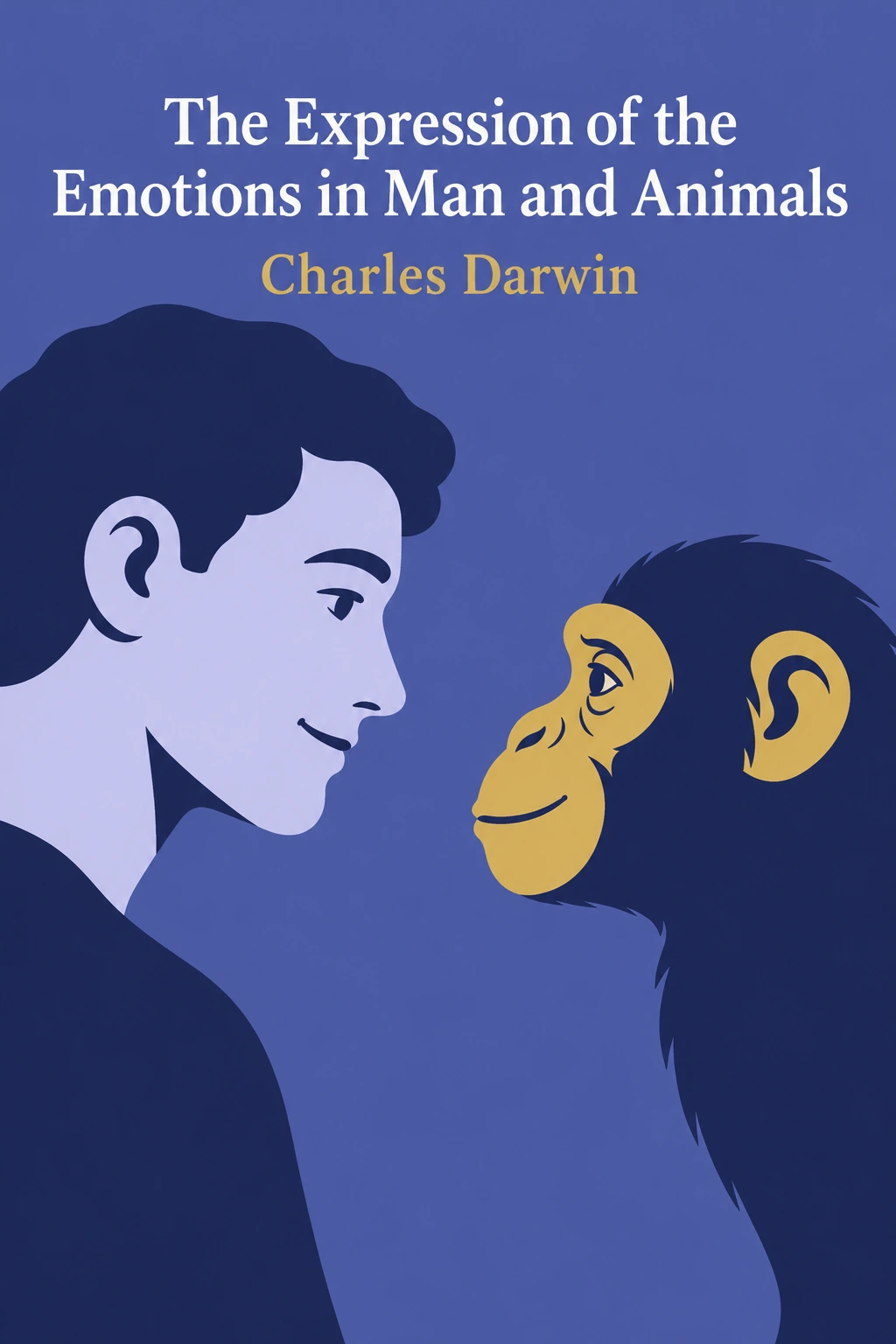
The Unseen Language: Decoding Emotions in Humans and Animals Introduction This exploration delves into how humans and animals express emotions, moving beyond static features to understand dynamic, fleeting signals. It examines the historical and scientific attempts to decode this 'unseen language,' questioning the universality and origins of emotional expression. A Quick Look Back: The Early Days of Studying Expression Early attempts to understand human disposition often focused on physiognomy, which linked permanent facial features to character. This is distinct from the study of temporary emotional expressions. Historical works like Le Brun's 'Conferences' (1667) offered detailed artistic observations of emotional states, while anatomists like Camper (late 1700s) studied facial structures but didn't significantly advance the understanding of expression itself. These early efforts, while historically significant, often lacked rigorous scientific methodology and a focus on the dynamic nature of emotions. The Need for a Deeper Dive The limitations of early works highlight the need for systematic, scientific approaches that explain why and how faces change, linking physical changes to internal feelings, and testing for universality. This requires examining behavior, development, biological mechanisms, and evolutionary history, moving beyond mere description to understand the underlying principles of emotional manifestation. The Core Idea: Emotions Aren't Just Internal The central thesis is that emotions are fundamentally expressed physically and are observable. They are not merely internal states but are designed, through evolution, to be shown, serving as signals for self-preparation (fight/flight) and communication with others. This contrasts with physiognomy's focus on static traits. The core idea is that emotions have observable, dynamic, communicative, often universal, and biologically based manifestations. Why Does This Matter? Distinguishing between permanent features and temporary expressions prevents misjudgments and prejudice. Focusing on expression provides a more direct window into current emotional states. This focus is tied to communication: emotions evolved to signal needs, intentions, and social bonds, strengthening connections and facilitating aid. Evolution as the Great Explainer Many expressions are likely inherited, shaped by natural selection for survival advantages. For example, the fear expression maximizes sensory input and prepares the body for escape. This evolutionary perspective suggests that basic emotional expressions are not arbitrary but have biological roots, explaining cross-cultural recognition and parallels in animal expressions. The core thesis posits that expressions are observable, dynamic, communicative, often universal, and biologically based. Digging Deeper: Key Ideas Unpacked This section breaks down foundational concepts in understanding emotional expression: 1. Principle of 'Nervous Discharge': Intense