
Summary preview
Unlocking Healing Through the Written Word: A Deep Dive into Epston and White's Narrative Approach
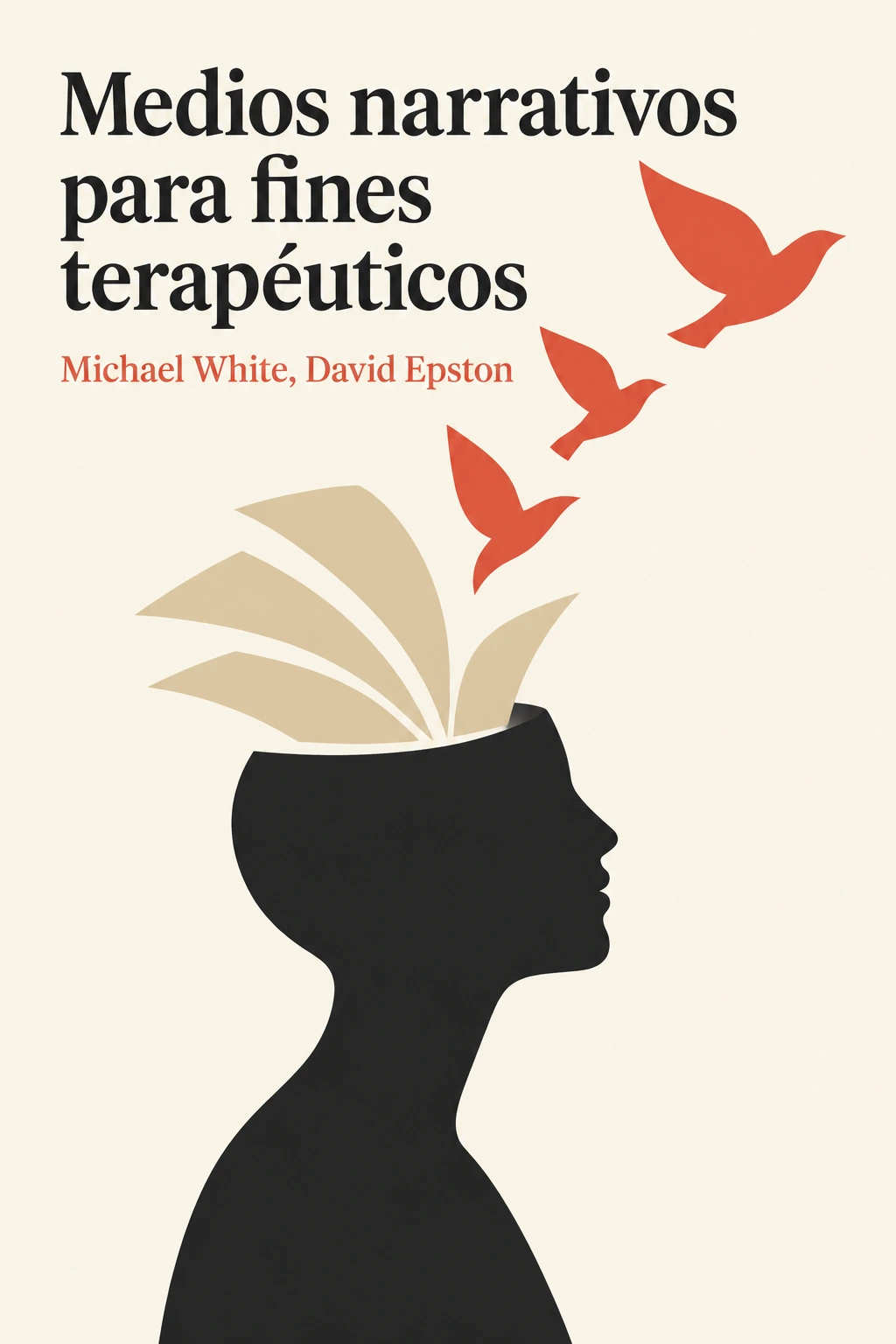
This summary explores Michael White and David Epston's narrative approach, focusing on externalizing problems and using therapeutic writing to foster healing and create liberating personal and collective narratives. The book is presented as a toolbox for therapists and individuals seeking to understand themselves and their stories better, offering practical strategies for untangling complex issues through creative writing.
Section 1: Introduction - The Narrative Garden
The book is likened to a cultivated garden of ideas about storytelling and its impact on life. It highlights two crucial elements: externalizing the problem, which involves viewing problems as separate from a person's identity, and using the written word therapeutically through various writing forms as active healing tools. The authors pose the central question: how can we write liberating and healing stories, especially when dominant narratives are problem-saturated? They invite readers, particularly those in helping professions, to explore this with them. Key Message: This book introduces the powerful combination of externalizing problems and using therapeutic writing as a means to foster healing and create liberating personal and collective narratives.
Thesis 1: The Power of Externalizing the Problem
This involves creating conceptual distance between a person and their problem, viewing it as an external influence rather than an inherent trait. This approach: Reduces blame and shame: By seeing the problem as external, individuals are less likely to blame themselves. Opens up possibilities for action: External problems can be resisted or influenced, unlike inherent traits. Clarifies the problem’s influence: Naming and externalizing allows for mapping its effects on different life areas. Creates space for preferred narratives: It allows focus on values and dreams not defined by the problem.
Thesis 2: The Therapeutic Potential of the Written Word
The written word is presented as a versatile therapeutic tool that goes beyond journaling. It can: Solidify externalization: Documenting the problem’s tactics and effects. Document alternative stories: Recording moments of resistance and preferred living. Facilitate communication and reflection: Through therapeutic letters and other written forms. Create legacies and future visions: Articulating values, hopes, and desired identities. Engage others: Involving family and community in the therapeutic process. Central Ideas: The core concepts revolve around separating individuals from their problems (externalization) and leveraging various forms of written communication as active agents in the therapeutic process to reconstruct identity and foster well-being.
Idea 1: The Art of Naming and Personifying Problems
Giving problems names and personifying them allows for analysis of their strategies, development of counter-strategies, and recognition of their impact on relationships. This makes problems less intimidating and more manageable.
Idea 2: Re-Authoring Conversations and Lives
This involves co-authoring new, preferred narratives that highlight strengths and resilience. Therapists use curious questioning to uncover "unique outcomes" (times the problem wasn't in charge), link these moments to values, and help clients build a coherent story of their preferred identity. Inviting an audience to witness these new narratives solidifies them.