
Summary preview
Living to Tell the Tale: A Deep Dive into Gabo's Origins
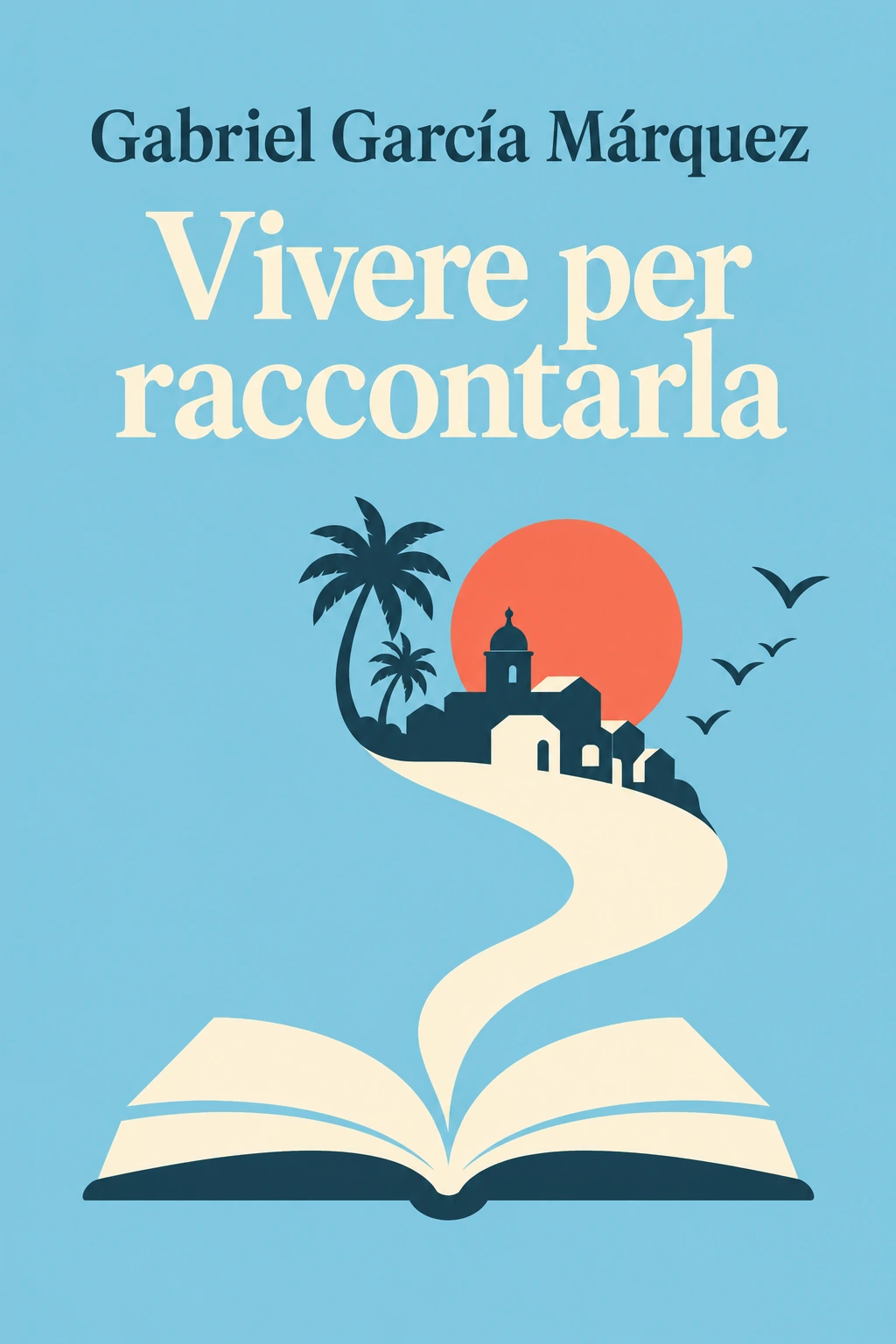
Gabriel García Márquez's autobiography, 'Living to Tell the Tale,' is more than a memoir; it's an exploration of the origins of his legendary imagination. It covers his early life in Aracataca, Colombia, up to his decision to become a full-time writer, detailing the atmosphere, people, superstitions, and vibrancy of his upbringing. The book paints a vivid picture of his childhood, highlighting moments and characters that laid the foundation for his iconic works, showcasing the blend of the mundane and the magical that defined his literary vision. The Primacy of Place and People in Forging a Writer García Márquez implicitly argues that his unique literary voice was forged in the specific environment of Aracataca and his grandparents' home. The eccentric characters, the Colombian landscape, and the blend of cultures were not just influences but fundamental components of his creative DNA. His grandparents, Colonel Nicolás Márquez and Tranquilina Iguarán Cotes, provided archetypes and raw material for his fictional characters, demonstrating that a writer's birthplace and early life are crucial to their development. The Blurring Line Between Reality and Myth From his earliest memories, García Márquez experienced a world where the extraordinary was commonplace. Ghosts, prophecies, and vivid dreams were integral to daily life, particularly through his grandmother's matter-of-fact acceptance of the supernatural. This thesis posits that perceiving and accepting the magical within the real is an expansion of reality, forming the foundation of magical realism. He learned to trust these perceptions, seeing the storytelling potential in the unbelievable. The Writer's Journey is a Process of Conscious and Unconscious Absorption Gabo's path to becoming a writer was a lifelong process of absorbing experiences, emotions, and observations, often without immediate understanding. His early fascination with books, journalism, and intellectual awakenings are detailed, showing a gradual recognition of his calling. This thesis emphasizes that becoming a writer is a cumulative process, built from countless moments of engagement with the world and the written word, cultivating a sensitivity to capture life's essence. The Grandparents: Living Libraries of Lore His maternal grandparents, Colonel Nicolás Márquez and Tranquilina Iguarán Cotes, are central. The Colonel, a war veteran, instilled tales of honor, violence, and masculinity, embodying Colombian history. Grandmother Tranquilina infused the narrative with magic, sharing stories of ghosts, premonitions, and curses with a matter-of-factness that normalized the extraordinary for young Gabo. Her acceptance of the supernatural taught him to see the world through a lens of enchantment, crucial for magical realism. Aracataca: The Crucible of Imagination The town of Aracataca is more than a setting; it's a character. Its intense sensory experiences—heat, jasmine, cicadas, vibrant colors, dust—and its history, marked by the