
Summary preview
Schizophrenia: A Groundbreaking Trauma-Informed Perspective
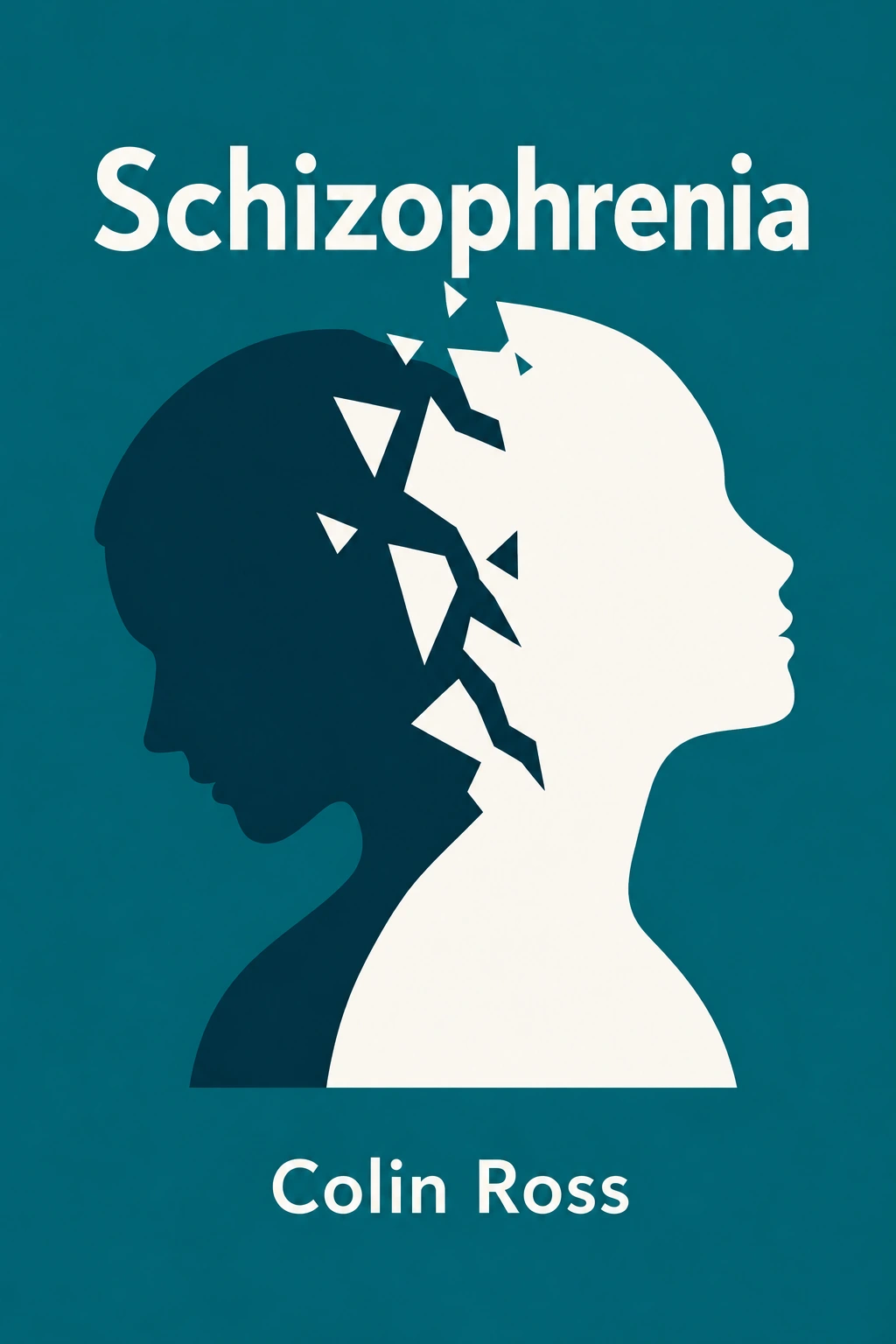
This summary explores Dr. Colin A. Ross's book, "Schizophrenia: Innovations in Diagnosis and Treatment," which proposes a radical shift in understanding schizophrenia. Dr. Ross suggests that for some individuals diagnosed with schizophrenia, particularly those with a history of severe childhood trauma, the root cause might be a dissociative disorder presenting with psychotic-like symptoms. This "dissociative subtype of schizophrenia" could potentially be treatable and even curable with psychotherapy, offering a hopeful alternative to lifelong reliance on antipsychotic medications with significant side effects.
The Traditional View vs. Dr. Ross's Hypothesis
The conventional approach to schizophrenia primarily involves antipsychotic medications. While these drugs can manage symptoms like hallucinations and delusions, they often come with substantial side effects (weight gain, movement disorders, metabolic issues) and may not offer a complete cure, leading to a lifelong management strategy. Dr. Ross, through his work at the Colin A. Ross Institute for Psychological Trauma, observed that patients presenting with schizophrenia-like symptoms often had histories of severe childhood trauma and exhibited symptoms overlapping with dissociative disorders. This led him to question the established diagnostic framework. His hypothesis posits that a subset of individuals diagnosed with schizophrenia actually have complex trauma responses manifesting as dissociative disorders. In this view, "psychotic" symptoms like auditory hallucinations might be expressions of internal dialogues or voices from distinct identity states, rather than primary psychotic phenomena driven by neurochemical imbalances. This challenges the dominant biological psychiatry model.
Genetics: A Piece of the Puzzle, Not the Whole Picture
While genetics is recognized as a contributing factor to schizophrenia risk, Dr. Ross argues it's not the sole determinant. The genetic link isn't strong enough to explain all cases, as evidenced by the fact that many individuals diagnosed with schizophrenia have no family history and that concordance rates in identical twins are not 100%. He proposes that genetics may create a vulnerability, but severe environmental factors, particularly trauma during critical developmental periods, act as triggers. This perspective highlights the importance of environmental interventions, such as preventing and treating trauma, in mental illness prevention and treatment.
Defining the Terms: Psychosis, Schizophrenia, and Dissociation
To understand Dr. Ross's theory, it's crucial to define key terms: Psychosis: A state of losing touch with reality, characterized by hallucinations and delusions. It's a symptom, not a diagnosis itself. Schizophrenia: A chronic mental disorder involving distortions in thought, perception, emotions, and behavior, often including hallucinations, delusions, and disorganized thinking. Dissociation: A mental process involving a lack of connection in thoughts, memories, feelings, or identity. Severe dissociation, as seen in dissociative disorders, can include amnesia, depersonalization, and distinct identity states. Dr. Ross suggests that diagnostic manuals like the DSM might group different underlying conditions. He believes that in some schizophrenia diagnoses, the primary issue is a severe dissociative disorder stemming from trauma, with "psychotic" symptoms being manifestations of this dissociation.
Proposed Diagnostic Criteria for Dissociative Schizophrenia
Dr. Ross outlines specific features to identify this "dissociative schizophrenia": History of Severe Childhood Trauma: Significant abuse or neglect during formative years. Dissociative Amnesia: Substantial memory gaps, especially concerning personal history or traumatic events. Depersonalization/Derealization: Persistent feelings of detachment from oneself or reality. Presence of Two or More Distinct Personalities/Identities: A hallmark of Dissociative Identity Disorder. Auditory Hallucinations: Potentially interpreted as internal dialogues or voices from different identity states. Extensive Comorbidity: A complex mix of other psychological issues like depression, anxiety, PTSD, eating disorders, and substance use. Response to Trauma Therapy: Significant improvement in "psychotic" symptoms with trauma-focused psychotherapy. These criteria encourage clinicians to explore a patient's history and internal experience more deeply to consider alternative explanations for their symptoms.
The Principles of Psychotherapy for Dissociative Schizophrenia
If schizophrenia is viewed as a trauma-based dissociative disorder in these cases, psychotherapy becomes the primary treatment modality. Key principles include: When to Start Therapy: Prioritizing safety and stabilization before deep trauma work. Trauma Therapy: Processing traumatic memories and experiences using therapies like EMDR, TF-CBT, or IFS to reduce their emotional charge and impact. Establishing Communication: Facilitating communication and understanding between different identity states to reduce internal conflict and promote a more unified sense of self. Therapeutic Neutrality: Maintaining a stance of neutrality, not taking sides among identity states, and empowering the patient's inherent healing capacity. Patience and Gradual Processing: Healing is a gradual process, with memories and emotions processed in manageable doses to avoid re-traumatization. Building Coping Skills: Developing healthy coping mechanisms for distress, emotion regulation, and daily functioning. Psychoeducation: Helping patients understand trauma, dissociation, and their own experiences to reduce shame and empower them. While medication might still play a role for some, the emphasis shifts from reliance on drugs to a holistic, trauma-informed approach where psychotherapy is central.