
Summary preview
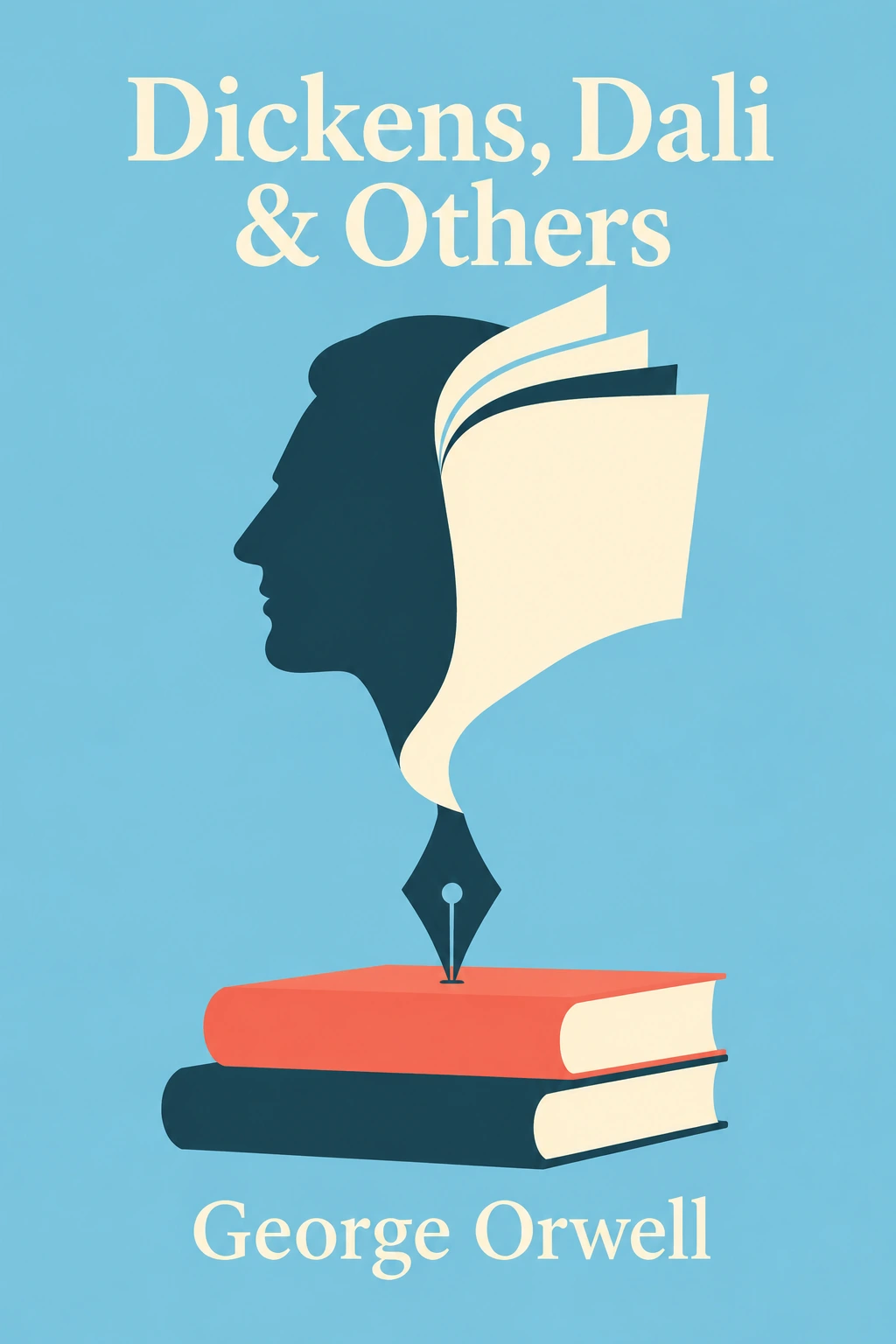
George Orwell's 'Dickens, Dali & Others': A Friendly Chat About His Essays Section 1: The Introduction - Orwell's World, Our World George Orwell's 'Dickens, Dali & Others' is a collection of essays, offering a conversational dive into literature, art, politics, and human nature. Written in the tumultuous post-WWII era, Orwell's keen observations and sharp critiques remain remarkably relevant today. He saw art and literature as crucial societal forces, capable of challenging thought and reflecting the times. This collection showcases his ability to dissect complex issues with clarity and honesty, making his insights on language, power, and truth invaluable for understanding our own era. The core takeaway is that Orwell’s essays provide a lens for critical thinking, advocating for clear language and grappling with difficult ideas. Section 2: Main Theses - Orwell's Big Ideas Thesis 1: The Vital Importance of Clear Language Orwell believed muddled thinking leads to muddled language, and vice versa. He argued that deceptive language obscures truth, making acceptance of terrible things easier. He championed plain English, advocating for direct and honest expression, viewing sloppy or deceptive language as a moral failing. Thesis 2: The Dangers of Political Orthodoxy and Dogmatism Orwell was suspicious of ideologies demanding conformity, valuing intellectual honesty – the willingness to question one's own side and admit complexity. He warned against groupthink and the sacrifice of individual judgment for belonging. Thesis 3: The Interplay Between Art, Politics, and Society Orwell saw art as unable to exist in a vacuum, exploring how artists respond to and influence their social and political environments. He analyzed how writers like Dickens captured social injustices and how surrealism might reflect deeper anxieties. Thesis 4: The Value of the 'Common Man' and Skepticism Towards Elites He held deep respect for ordinary people and their common sense, contrasting it with the detached or corrupt nature of elites. He believed everyday experiences held a fundamental truth often overlooked by those in power. These theses form the foundation of Orwell's arguments, illustrating broader points about language, thought, and society through his analyses of specific works and figures. Section 3: Key Ideas - Diving Deeper into Orwell's World Idea 1: The Politics of Poetry (and Art in General) Orwell criticized poetry detached from reality, especially in times of crisis. He felt art had a responsibility to engage with social and political issues, questioning the justification of 'art for art's sake' when people suffered. Idea 2: Dickens as a Social Critic (Not Just a Storyteller) Orwell admired Dickens's ability to expose Victorian society's injustices (workhouses, prisons) through vivid storytelling, fostering empathy and awareness. He saw Dickens as a crucial social commentator who humanized victims and exposed perpetrators. Idea 3: The Enigma of Salvador Dali