
Summary preview
The Empathic Screen: A Deep Dive into Cinema's Power
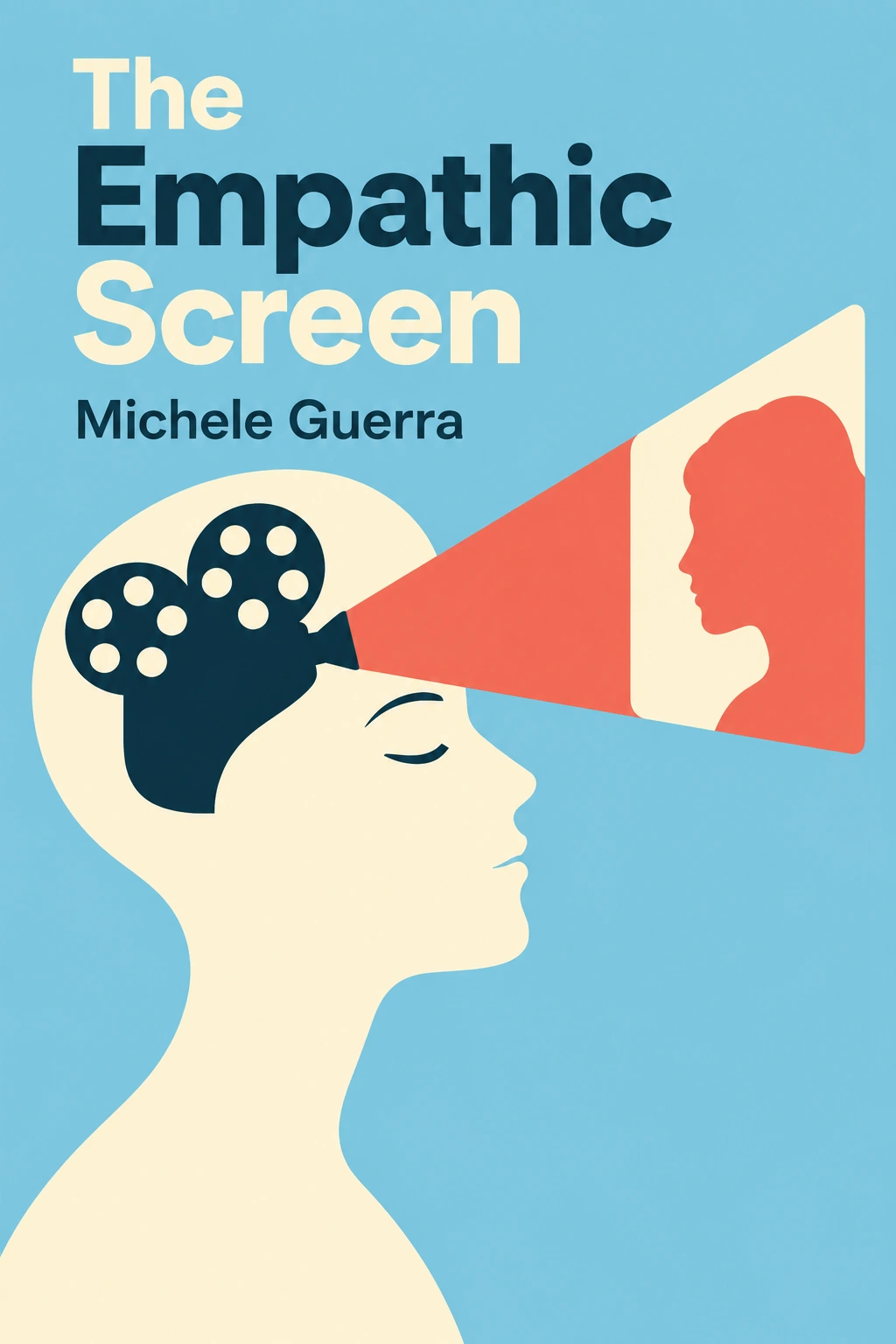
Michele Guerra's "The Empathic Screen" explores the profound connection between cinema and human experience, blending film theory with neuroscience to understand why we engage with movies on a deep, almost primal level. The book posits that cinema is not merely entertainment but a powerful force that shapes our feelings, thoughts, and understanding of ourselves and the world, acting as a mirror to our own emotions and experiences.
The Big Questions Guerra Asks
Guerra tackles fundamental questions about our engagement with cinema: Why do we go to movies? What is the experience of watching a film in a dark room? Crucially, how does our perception of a fictional world differ from our perception of reality? He argues that our brains are wired to connect with cinematic experiences, making us feel as if we are living through them.
Neuroscience Meets Film Theory: A Perfect Match
The book bridges the gap between humanities and sciences, demonstrating how film theory analyzes cinematic techniques and neuroscience explains our brain's reactions to them. This interdisciplinary approach reveals the biological and psychological mechanisms behind our emotional responses to film, explaining why a suspenseful scene can trigger a fight-or-flight response or how editing and sound design manipulate our perceptions.
The Emotional Connection: Empathy on Screen
The title highlights empathy as a central theme. Guerra suggests that movies tap into our innate capacity for empathy, allowing us to connect with characters' emotions. This connection is facilitated by mechanisms akin to mirror neurons, where observing emotions on screen can activate similar neural pathways in our own brains. This ability to empathize through the screen provides a safe space to explore diverse perspectives and human experiences.
Fiction vs. Reality: Blurring the Lines
Guerra explores how our brains process fictional narratives, noting that neurological responses to compelling stories can closely resemble those to real-life events. Our brains, as prediction machines, can become so immersed in a coherent narrative that the line between fiction and reality blurs, leading to genuine physiological and emotional responses. This suggests that movies are active cognitive and emotional experiences, not passive entertainment.
Directors as Architects of Empathy
The book analyzes how various directors' styles and techniques contribute to empathic engagement. From Hitchcock's masterful use of suspense to Ozu's quiet observational style, directorial choices are examined for their impact on the viewer's brain and emotions. The evolution of filmmaking techniques across different eras is also discussed, highlighting directors' continuous efforts to engage audiences emotionally.