
Summary preview
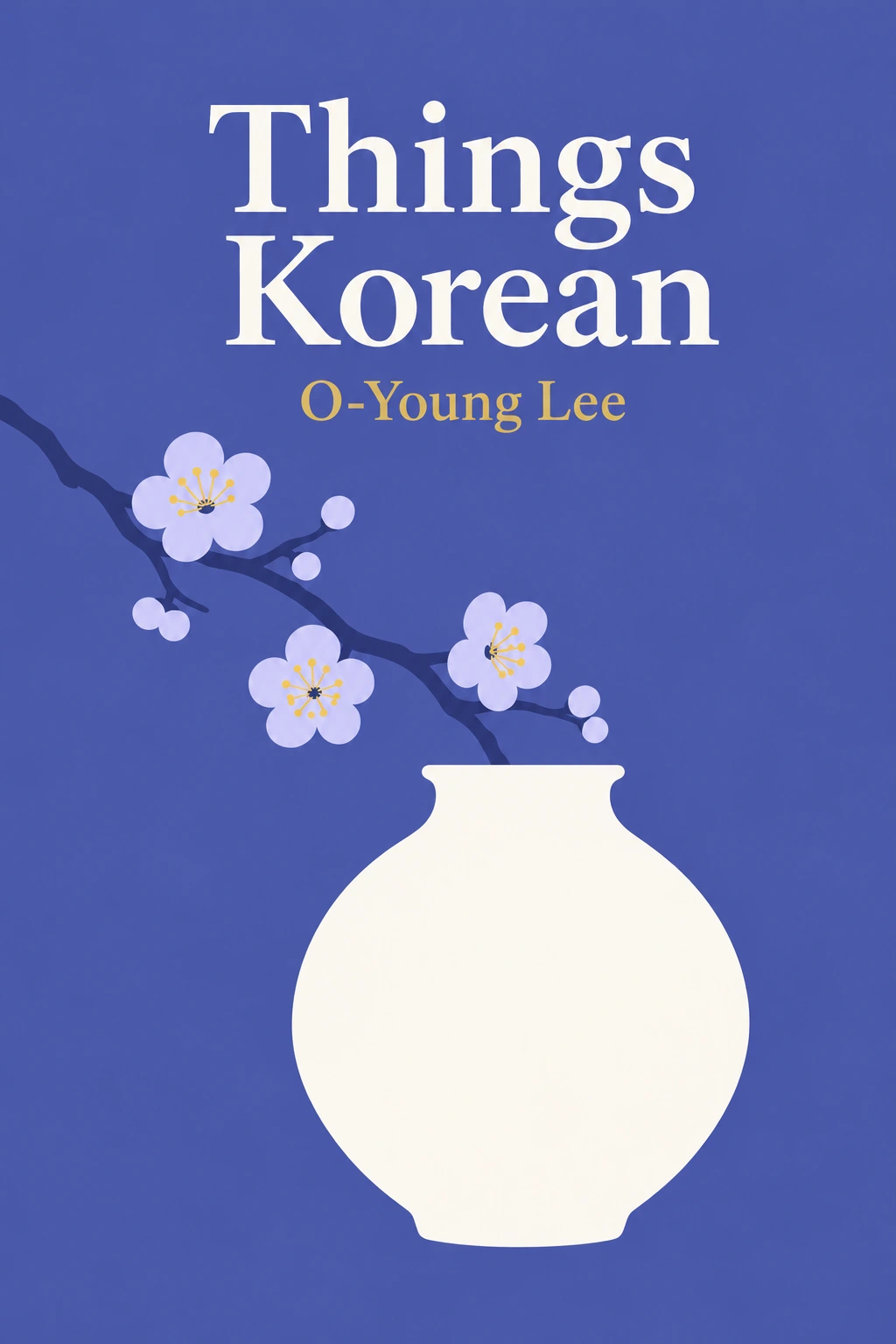
Diving Deep into 'Things Korean': A Journey Through Everyday Heritage
Introduction: Unveiling the Soul of Korea Through Its Objects The book 'Things Korean' by O-Young Lee offers a unique perspective on traditional Korean life by focusing on everyday objects. It's not a dry historical account but an intimate exploration guided by Lee, a former Korean Minister of Culture. The book examines native Korean items, ranging from spiritual totems (Changsung) and personal adornments (binyo) to practical items like crock pots (Changdokdae) and temple bells (Jong), and even graves (mudon). The significance of each object lies not just in its function but in its embedded cultural meaning. The book is enhanced by English and Korean names for each item, a glossary, and over 100 lavish color illustrations, making it both educational and visually rich. Main Theses: Objects as Cultural Narratives Thesis 1: Everyday Objects Are Vessels of Cultural Memory and Identity. Lee argues that simple, everyday Korean objects are repositories of cultural memory, embodying tradition, historical events, societal values, and beliefs. For example, a kimchi jar (Changdokdae) is tied to culinary practices, family roles, and climate, while a shamanistic totem (Changsung) represents beliefs in protection and community. Examining these objects provides a direct window into the Korean worldview, their relationship with nature, social structures, and historical journey. The book posits that understanding a culture requires understanding the things its people have made and used. Thesis 2: The Material Culture of Korea Offers a Unique and Rich Lens for Understanding Traditional Life. The book emphasizes the importance of material culture – the physical objects, resources, and spaces used by people – as a primary source for understanding a society. Lee highlights how a wide array of objects, from grand temple bells (Jong) to humble scissors (Kawi), collectively paint a detailed and nuanced picture of traditional Korean life. This approach reveals aspects often missed by written records, such as daily living practicalities, pervasive aesthetics, and guiding spiritual beliefs. The diversity of items covered underscores the breadth and depth of Korean material culture. Thesis 3: The Preservation and Understanding of These Objects is Crucial for Cultural Continuity. Implicit in Lee's work is the idea that these objects and their associated knowledge are vital for cultural continuity. In a rapidly modernizing world, the risk of losing touch with traditional artifacts and wisdom is significant. 'Things Korean' acts as a form of cultural preservation by documenting and explaining these items, ensuring future generations can connect with this heritage. The book safeguards against cultural amnesia by stressing the importance of understanding the material past for navigating the present and shaping the future. The inclusion of bilingual names and a glossary facilitates this knowledge transfer. The central argument is that physical objects are fundamental to culture,