
Summary preview
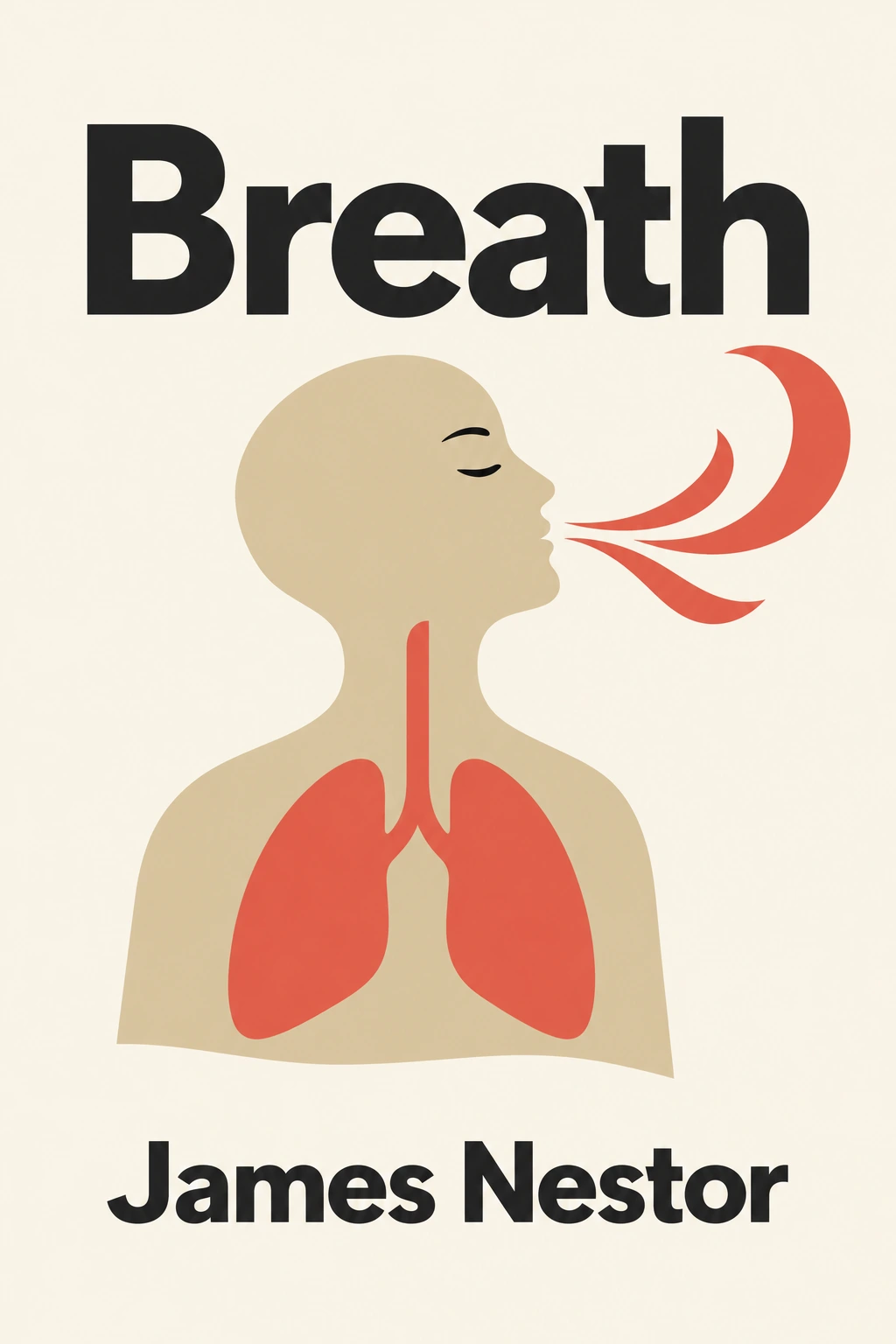
Breath: The New Science of a Lost Art - A Deep Dive
James Nestor's "Breath: The New Science of a Lost Art" explores how modern humans have lost the art of proper breathing, leading to numerous health issues. The book blends ancient wisdom with modern science to demonstrate how optimizing breathing can drastically improve health, energy, mood, sleep, and longevity. Nestor's personal journey of addressing his own breathing struggles fuels his exploration. Modern humans have fundamentally altered their breathing patterns, leading to widespread health problems. Nestor argues that the shift from nasal to mouth breathing and from slow, deep breaths to fast, shallow ones, driven by modern lifestyles, processed foods, and stress, is a primary cause of many modern diseases, impacting sleep, oxygen levels, immunity, and mental health. The way we breathe directly influences our physiological and psychological states. Different breathing techniques can consciously alter heart rate, blood pressure, stress hormones, and brain activity. Slow, deep breathing activates the parasympathetic nervous system (relaxation), while rapid, shallow breathing triggers the sympathetic nervous system (alertness). Relearning proper breathing techniques offers a powerful, accessible path to improved health and performance. By unlearning poor breathing habits and relearning natural techniques like diaphragmatic nasal breathing, individuals can reverse negative health trends and unlock significant benefits for their health and well-being. This solution is free and readily available. The Nasal Passage: Our Body's Air Filter and Humidifier Nasal breathing produces nitric oxide (NO), vital for vasodilation and oxygen uptake. The nose filters, warms, and humidifies air, making it optimal for the lungs. Higher resistance in nasal breathing stimulates better oxygen release and complete exhalation. Nestor undergoes a personal experiment involving mouth taping to document the challenges and benefits of forced nasal breathing. The Diaphragm: Our Breathing Powerhouse The diaphragm is the primary muscle of respiration, responsible for deep, efficient breaths. Modern humans often underutilize their diaphragm, leading to shallow chest breathing, muscle tension, and a heightened stress response. Diaphragmatic (belly) breathing promotes relaxation, increases oxygen intake, and improves core stability. The Rhythm of Breath: Slowing Down for Health Average modern breathing rates (12-20 breaths/min) are significantly higher than healthier populations (4-6 breaths/min). Slow breathing increases Heart Rate Variability (HRV), improves gas exchange, and activates the parasympathetic nervous system. Carbon dioxide (CO2) plays a crucial role in regulating breathing and facilitating oxygen release (Bohr effect); moderate CO2 levels can be beneficial. Nestor experiments with drastically slowing his breathing, incorporating breath holds, and observes profound physiological changes. The Impact on Sleep and Performance Poor breathing (mouth breathing,