
Summary preview
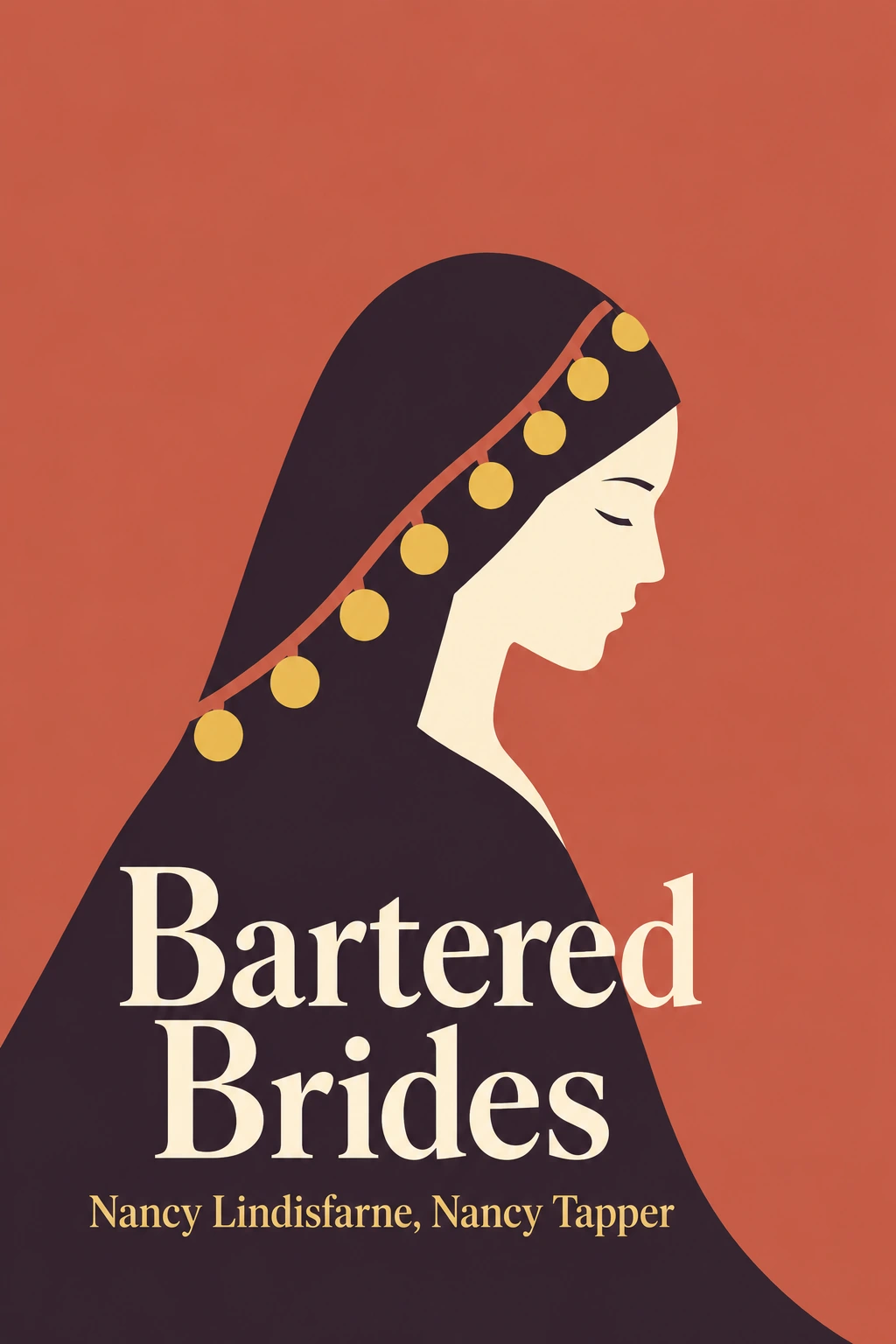
Bartered Brides: A Deep Dive into Maduzai Marriage Customs
This summary explores "Bartered Brides" by Nancy Lindisfarne and Nancy Tapper, an anthropological study of marriage customs among the Maduzai people of Afghan Turkistan. The book reveals marriage as a multifaceted social and economic institution, far removed from romantic ideals, serving as a strategic tool for family and community well-being.
Setting the Scene: Afghan Turkistan and the Maduzai
The Maduzai inhabit a remote, traditional region of Afghan Turkistan, characterized by rugged landscapes and deeply entrenched cultural practices. In this tribal society, family and community ties are paramount, shaping individual identity, security, and future prospects. Life is organized around collective well-being, a stark contrast to modern individualistic societies.
The Core Idea: Marriage as More Than Just a Union
The central thesis of "Bartered Brides" is that Maduzai marriage is not based on romantic love but functions as a fundamental social and economic institution with multiple purposes: Economic Backbone: Marriage facilitates the exchange, maintenance, and distribution of wealth and resources through mechanisms like bride-price and dowry, acting as a long-term economic strategy for families. Social Cement: It establishes crucial alliances between families and clans, ensuring political stability, mutual support, and social order. Continuity: Marriage guarantees the continuation of family lines and the transmission of cultural heritage, values, and traditions, ensuring the perpetuation of the group. The term "bartered brides" thus describes the transactional nature of these unions, emphasizing the exchange of economic, social, or reproductive value.
The Nitty-Gritty: How Marriages Actually Happen
Maduzai marriages are characterized by a structured, family-driven process: Arranged from the Start: Marriages are typically arranged by families, often when individuals are young, with parents and elders making decisions based on familial future benefits. The Bride-Price (Mahr): The groom's family pays money or goods to the bride's family. This is not seen as "buying" the bride but as compensation for the loss of her labor, a way to secure her future well-being, and a symbol of the groom's ability to provide. The amount varies based on family status, bride's perceived value, and custom. The Dowry (Jahez): The bride's family often provides household goods, livestock, or land to help the new couple establish their home and ensure the bride's economic security within her husband's family. Negotiations and Agreements: Complex negotiations involving intermediaries and elders determine the terms of the bride-price, dowry, wedding arrangements, and future obligations. The Wedding Ceremony: Weddings are significant, multi-day events filled with rituals and celebrations that reinforce social bonds, display family status, and mark the bride's transition. Post-Marriage Dynamics: The book likely explores the ongoing relationships between the couple, their families, and the kinship network, including the bride's integration, rights, and obligations, and the influence of bride-price and dowry.
Key Themes Explored
Several themes emerge from the study: The Primacy of the Collective: Individual desires, including romantic love, are subordinate to the needs and goals of the family and community. A "good marriage" is defined by its group benefits. Economic Realities: Marriage is deeply shaped by economic factors, influencing partner selection, union terms, and the lives of those involved. Social Stratification: Marriage practices can reinforce or challenge social hierarchies, with unions into wealthier or more powerful families elevating status. Gender Roles and Expectations: The bride-price and dowry are intertwined with notions of female value, labor, and security, and male responsibility and status. Cultural Resilience and Adaptation: While traditions are strong, the Maduzai customs may be subtly adapting to external pressures and changing conditions.
Why This Matters: Broader Implications
Understanding Maduzai marriage customs offers valuable insights beyond anthropology: Understanding Human Diversity: It highlights the vast diversity of human social organization and cultural practices. The Interconnectedness of Social Systems: It demonstrates how marriage is interwoven with economic, political, and social structures. Rethinking "Value": It prompts consideration of how value is assigned in different societies, encompassing social capital, lineage, labor, and reproductive capacity. The Power of Tradition: It illustrates the profound influence of tradition on human behavior and social structures.