
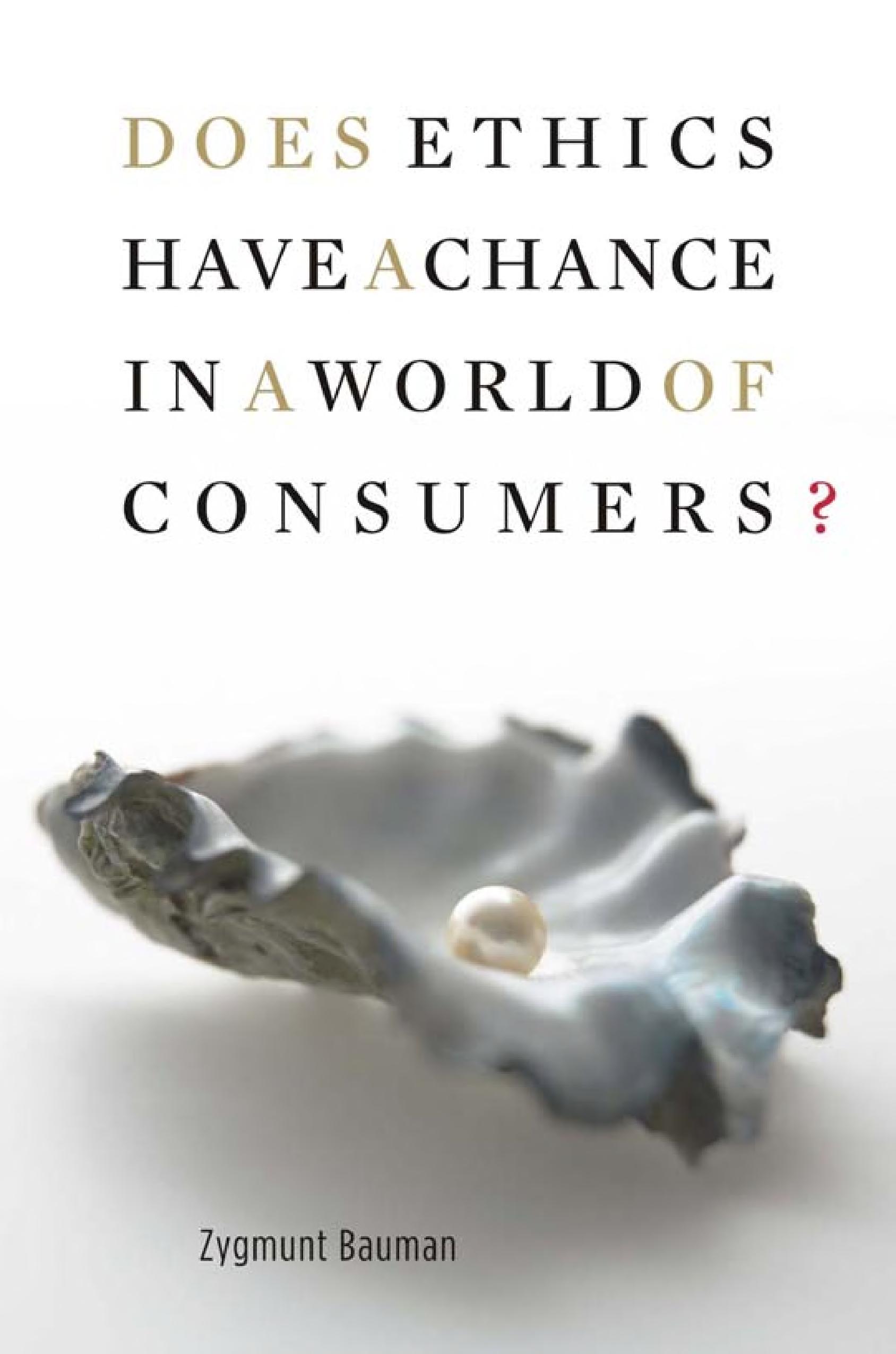
Summary preview
Zygmunt Bauman explores the challenges of navigating modern life, consumption, and global forces. He argues that inherited beliefs and nineteenth-century ideas are no longer adequate for addressing twenty-first-century problems, often leaving individuals feeling powerless in the face of domineering governments, corporations, and global threats. Bauman critiques the traditional intellectual class, urging thinkers to abandon ivory towers and engage ordinary people through accessible language. Instead of searching for final solutions to insoluble problems, Bauman proposes reframing how people think about these dilemmas. He asserts that ethics cannot be outsourced to algorithms, governments, or corporate codes of conduct, but occurs in immediate, daily human interactions. Drawing on Vaclav Havel, Bauman characterizes hope not as a prediction