
Summary preview
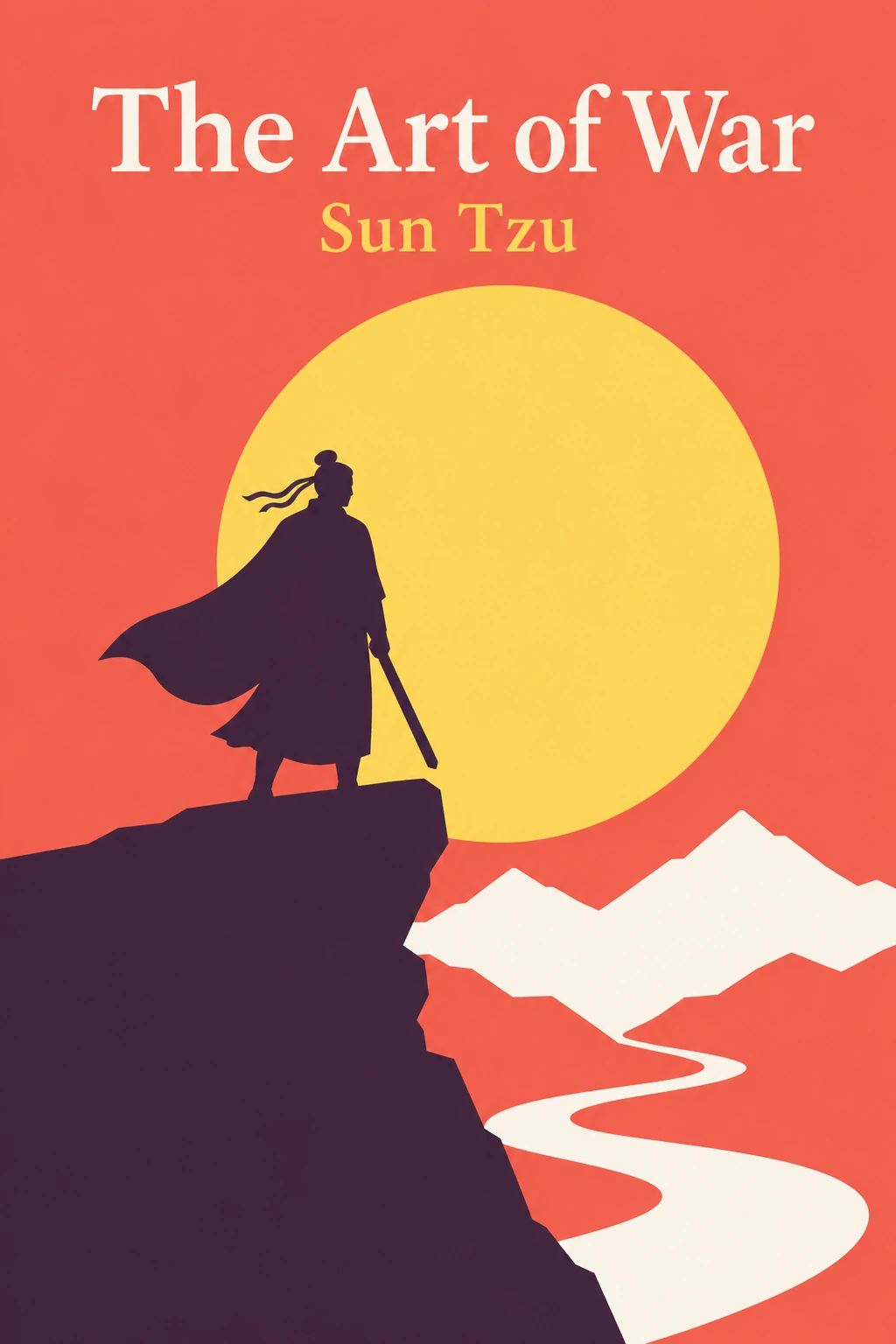
Sun Tzu's 'The Art of War': More Than Just Battles Sun Tzu's 'The Art of War,' written over 2,500 years ago, is a timeless strategy guide applicable beyond warfare to business, politics, and personal life. It emphasizes understanding human nature in conflict, strategic thinking, and resolving issues with minimal confrontation. The Enduring Legacy of a Master Strategist Sun Tzu, a Chinese general from the Spring and Autumn period, authored 'The Art of War.' Its principles transcend specific battles, focusing on universal concepts of conflict and competition. This adaptability has made it influential across various fields, from business and sports to diplomacy and psychology, due to its focus on underlying psychology, planning, and intelligence, rather than specific tactics. Its enduring relevance stems from its abstract nature, making it applicable to any situation involving competing interests and the need for smart decision-making. The Core Philosophy – Winning Without Fighting The central tenet of 'The Art of War' is achieving victory with minimal conflict. Sun Tzu advocates for subduing the enemy without direct combat, recognizing the high costs of battles. This is achieved through superior strategy, diplomacy, and psychological maneuvering. Modern applications include finding unique market positions in business, negotiating favorable agreements in diplomacy, and resolving personal conflicts through communication. Key components include attacking the enemy's strategy first, disrupting alliances, and only resorting to direct force as a last resort. 'Supreme excellence' lies in preventing conflict. The principle of knowing your enemy and yourself is crucial, as is deception, which involves controlling perceptions of your capabilities and intentions to gain an advantage. Know Thyself, Know Thy Enemy This foundational principle emphasizes a thorough understanding of both your own capabilities and those of your opponent. 'Knowing thyself' involves an honest assessment of your strengths, weaknesses, resources, goals, and emotional state. In business, this means understanding your company's unique selling proposition and limitations. 'Knowing thy enemy' requires analyzing their strengths, weaknesses, goals, motivations, strategies, leadership, and the environment they operate in. Combining these two types of knowledge allows for identifying opportunities, mitigating threats, choosing the right 'battlefield,' and developing effective tactics. Neglecting either aspect leads to vulnerability and potential defeat. The Power of Deception and Misdirection Sun Tzu states that 'All warfare is based on deception,' meaning controlling the perception of reality to gain strategic advantage. This involves techniques like feigning weakness when strong, appearing inactive when ready to move, misrepresenting distance, baiting the enemy into traps, and creating an illusion of disorder. In modern contexts, this translates to strategic ambiguity in negotiations,