
Summary preview
The Ultimate Deep Dive into Obesity: Your Comprehensive Guide
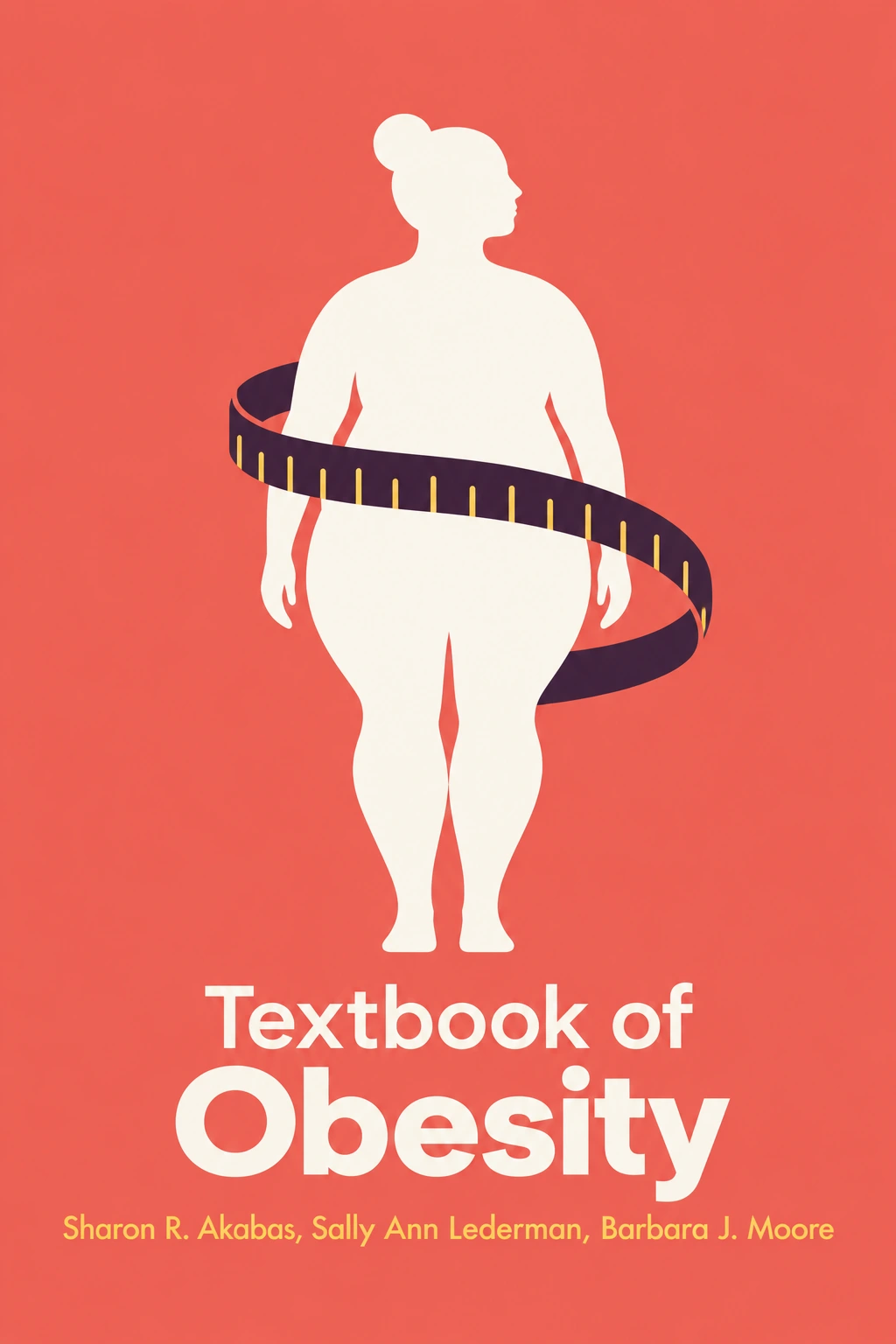
This summary provides an in-depth look at the "Textbook of Obesity," a comprehensive guide designed for professionals and students in nutrition, dietetics, and health sciences. It emphasizes the global scale of the obesity epidemic and the book's structured approach to understanding and combating it. The textbook is organized into five major parts, each addressing a critical aspect of obesity: Part I: Getting the Big Picture Part II: Why Does Obesity Happen? (Etiology) Part III: The Health Fallout Part IV: Measuring and Understanding the Environment Part V: What Can We Do About It? (Prevention and Treatment) A companion website (www.wiley.com/go/akabas/obesity) offers additional resources like practice questions and illustrations.
Part I: Understanding the Scope and Complexity of Obesity
This section establishes the immense scale and intricate nature of the obesity issue. It highlights that obesity is not a simple problem but a vast, complex challenge affecting individuals, communities, and the world.
The Scale of the Problem
The book underscores the staggering statistics, noting that in the US, nearly two-thirds of the population is overweight or obese. This trend is rapidly increasing globally, signifying a major shift in public health. The pervasive nature of obesity necessitates large-scale, multifaceted solutions beyond simplistic advice.
Why So Complex? Unpacking the Layers
Obesity is presented as a dynamic interplay of multiple factors: Genetics: Predispositions to weight gain and fat storage. Environment: The "obesogenic environment" that promotes weight gain through food availability, sedentary lifestyles, and urban design. Behavior: Dietary habits, physical activity levels, sleep, and stress management. Socioeconomic Factors: Income, education, and access to resources. Psychological Factors: Stress, emotional eating, and mental health. Physiological Factors: Hormones, metabolism, and the gut microbiome. Understanding these interconnected influences is crucial for effective intervention.
The Urgency: Why Now?
The textbook emphasizes the critical need for immediate action, as the problem is worsening. The longer it is ignored, the more entrenched it becomes, leading to increased rates of associated diseases. This urgency drives the need to educate the next generation of health professionals.
Part II: Unraveling the "Why" – Obesity Etiology
This part delves into the root causes of obesity, exploring the complex web of biological, environmental, and behavioral factors.