
Summary preview
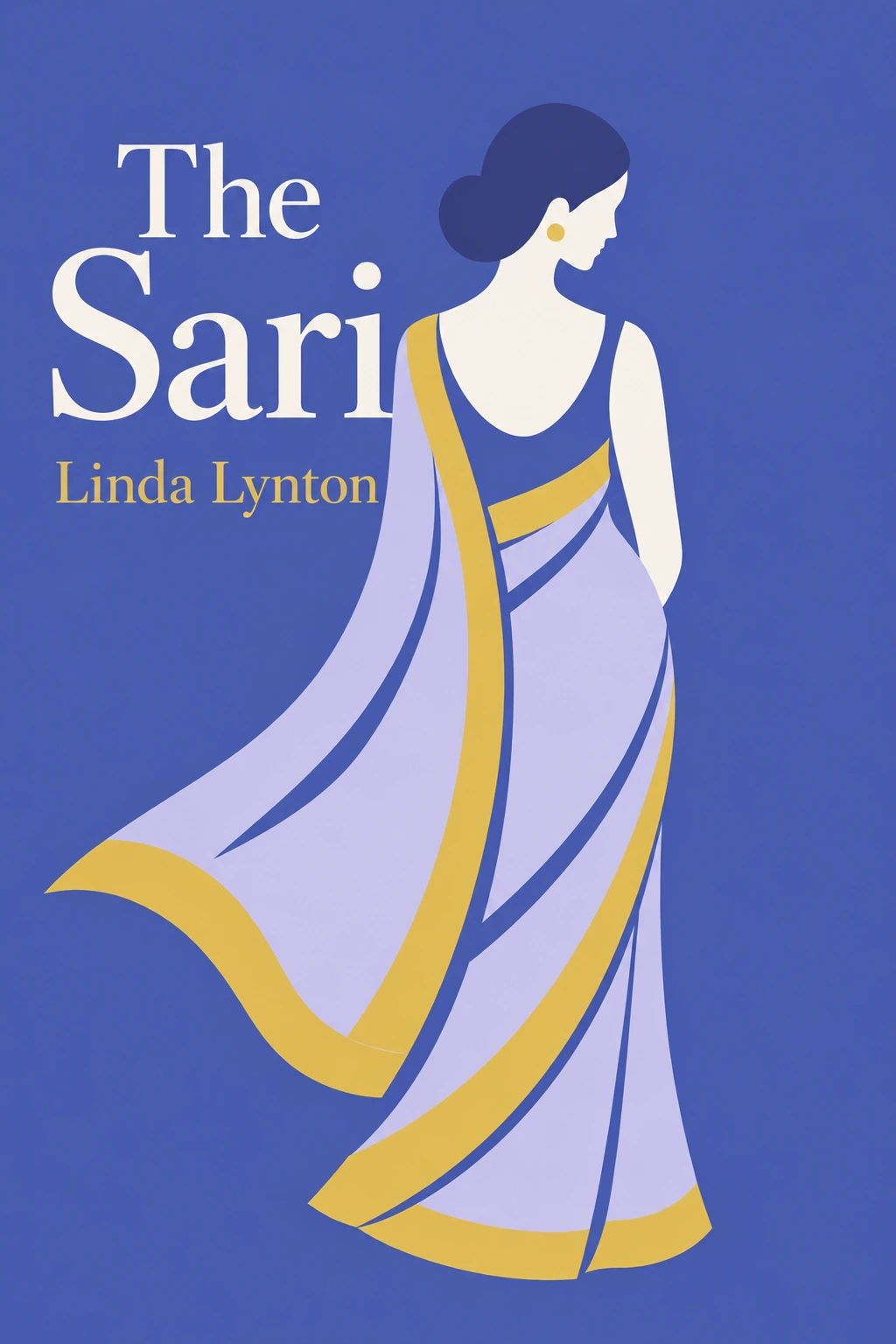
The Sari: A Tapestry of India - Compressed Summary Linda Lynton's 'The Sari' is an immersive exploration of India, using the sari as a lens to examine its diverse cultural, historical, and geographical narratives. The book is structured into six distinct regions, each showcasing unique sari traditions, weaving techniques, and their cultural significance. Section 1: The West - Gujarat and Rajasthan This region, characterized by arid landscapes and a rich merchant history, features vibrant and colorful saris. Gujarat is known for block printing (like Bandhani tie-dye) and embroidery, resulting in visually stunning and symbolic patterns. Rajasthan's saris often reflect its royal heritage with regal elegance, bold motifs, and deep colors. The draping styles are influenced by climate and lifestyle. These saris are integral to daily life, reflecting community and status, and often show influences from trade routes. The artistry in dyeing and embellishment is extraordinary, showcasing a blend of local and cosmopolitan influences. Section 2: The East - West Bengal and Odisha These states, with lush landscapes and deep spiritual traditions, offer saris of subtle elegance and intricate weaving. West Bengal is famed for its lightweight Tangail cotton saris with delicate motifs and Dhonekhali cotton saris known for heavier textures and temple-inspired borders. Odisha is renowned for Sambalpuri ikat saris, where yarns are resist-dyed before weaving, creating unique blurred patterns inspired by nature and traditional art. The white and red bordered sari in Bengal holds immense cultural significance, while Sambalpuri saris are symbols of Odia identity. The book likely touches upon challenges faced by weaving communities, celebrating their resilience. Section 3: The Northeast and the Himalayas - Assam, Manipur, and Beyond This area is characterized by unique textiles deeply influenced by indigenous traditions and dramatic landscapes. Assam is celebrated for Muga silk, known for its golden sheen and intricate motifs, as well as Kesa Paat and Eri silk. Manipur is known for exquisite handloom creations with geometric patterns and motifs inspired by folklore. Other Northeastern states like Nagaland and Arunachal Pradesh also have distinct weaving styles. Himalayan influence may include woolens and patterns reflecting mountainous terrain. These textiles are crucial markers of tribal identity and social status, crafted often on backstrap looms. The book likely addresses challenges in preserving traditional techniques and accessing markets. Section 4: The Eastern Deccan - Andhra Pradesh and Telangana This region is known for rich silk and cotton traditions. Andhra Pradesh is famous for Pochampally ikat, where warp yarns are resist-dyed for precise geometric patterns, linked to the Bhoodan movement. Telangana is known for Gadwal saris (silk borders/pallus with cotton bodies) and Narayanpet saris (silk and cotton blends). Historical influences from Deccan Sultanates and