
Summary preview
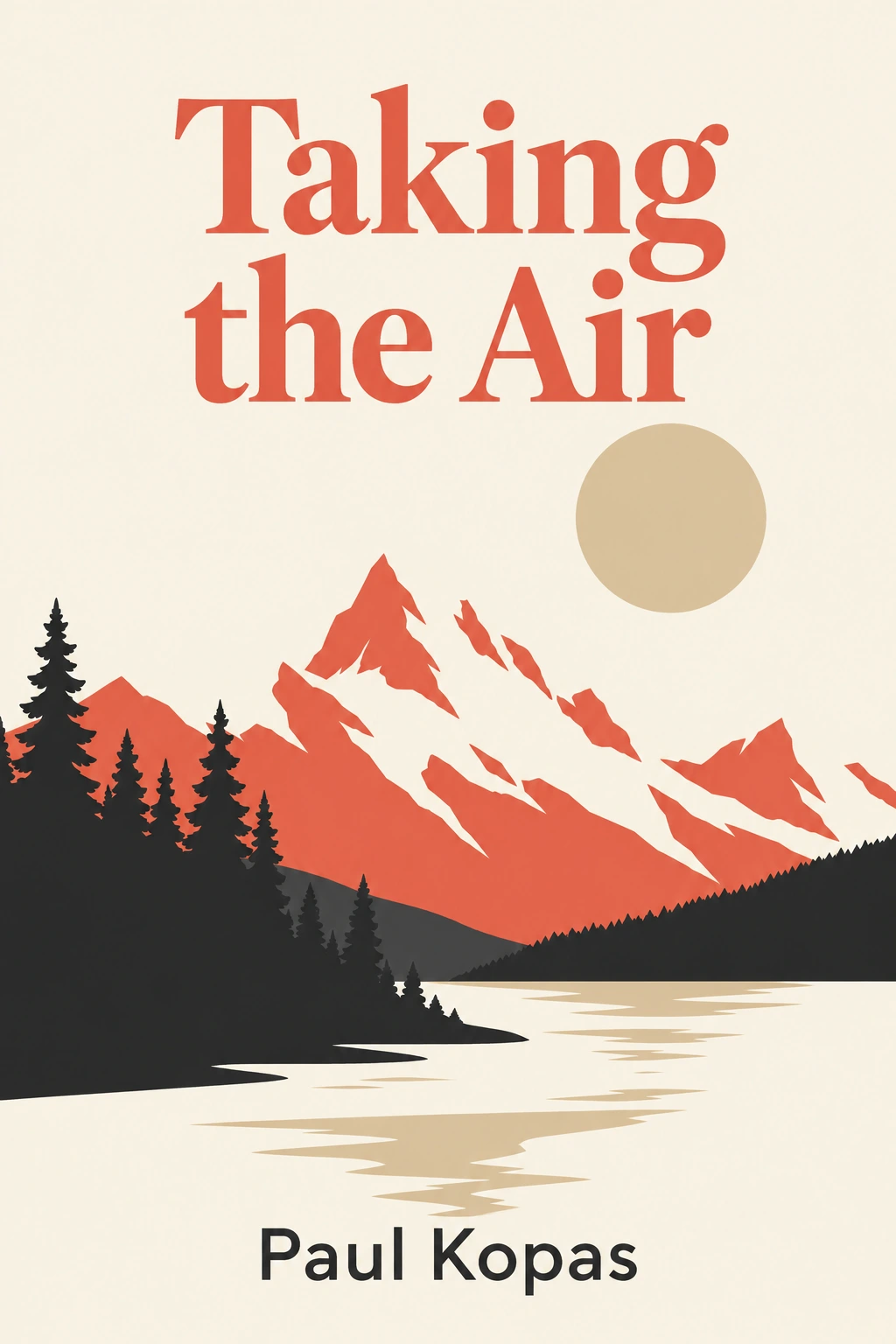
Taking the Air: A Deep Dive into Canada's National Park Policy History Paul Kopas's book, 'Taking the Air,' offers a comprehensive examination of Canadian national park policy history, starting from the mid-1950s. It argues that park policies are not solely about nature protection but are deeply influenced by political attitudes, social dynamics, bureaucratic perspectives, citizen interests, Indigenous stewardship, and legal frameworks. These factors, shaped by historical context, collectively determine the influence of various groups and the resulting park management. National parks are political and social arenas, reflecting the society that manages them, rather than purely natural sanctuaries. The Big Picture: Why Parks Aren't Just About Nature Kopas challenges the view that national parks are solely about preserving pristine nature. He argues that park policy is intrinsically linked to the political and social currents of the time. Decisions are influenced by how different groups perceive nature, their role in relation to it, and the purpose of protected areas. This perception is shaped by economic pressures, technological advancements, cultural shifts, and political ideologies. The mid-1950s, for example, saw a post-war push for development influencing park management. Key players include: Bureaucrats: Government officials with professional norms and institutional mandates who draft and implement policies. Citizens: The public whose recreational, spiritual, and economic interests exert pressure on management. Interest Groups: Organized bodies (environmental, industry, recreational) that lobby and influence public discourse. Aboriginal Peoples: Indigenous communities whose ancestral territories are often park lands, bringing deep cultural and spiritual connections and crucial traditional knowledge. Legal Authorities: Courts and legislation that set precedents and define the legal framework. These groups interact dynamically, with their influence changing over time due to historical context. The Historical Trajectory: From Mid-Century to Modern Debates Kopas traces the evolution of park policy from the mid-1950s: 1950s-60s: Focus on establishing and expanding the park system, emphasizing the 'wilderness ideal' and national grandeur. Bureaucrats played a key role in scientific management and preservation, though economic considerations like tourism were also present. 1970s: The rise of the modern environmental movement led to increased demand for stronger protections. Policies began reflecting heightened environmental consciousness, but also brought greater scrutiny and influence for environmental interest groups. The recognition of Aboriginal peoples' rights and perspectives began to grow, questioning the colonial origins of park establishment. 1980s-90s: Globalization and economic development pressures intensified. Debates focused on balancing conservation with economic interests (tourism), managing visitor numbers ('carrying capacity'), and