
Summary preview
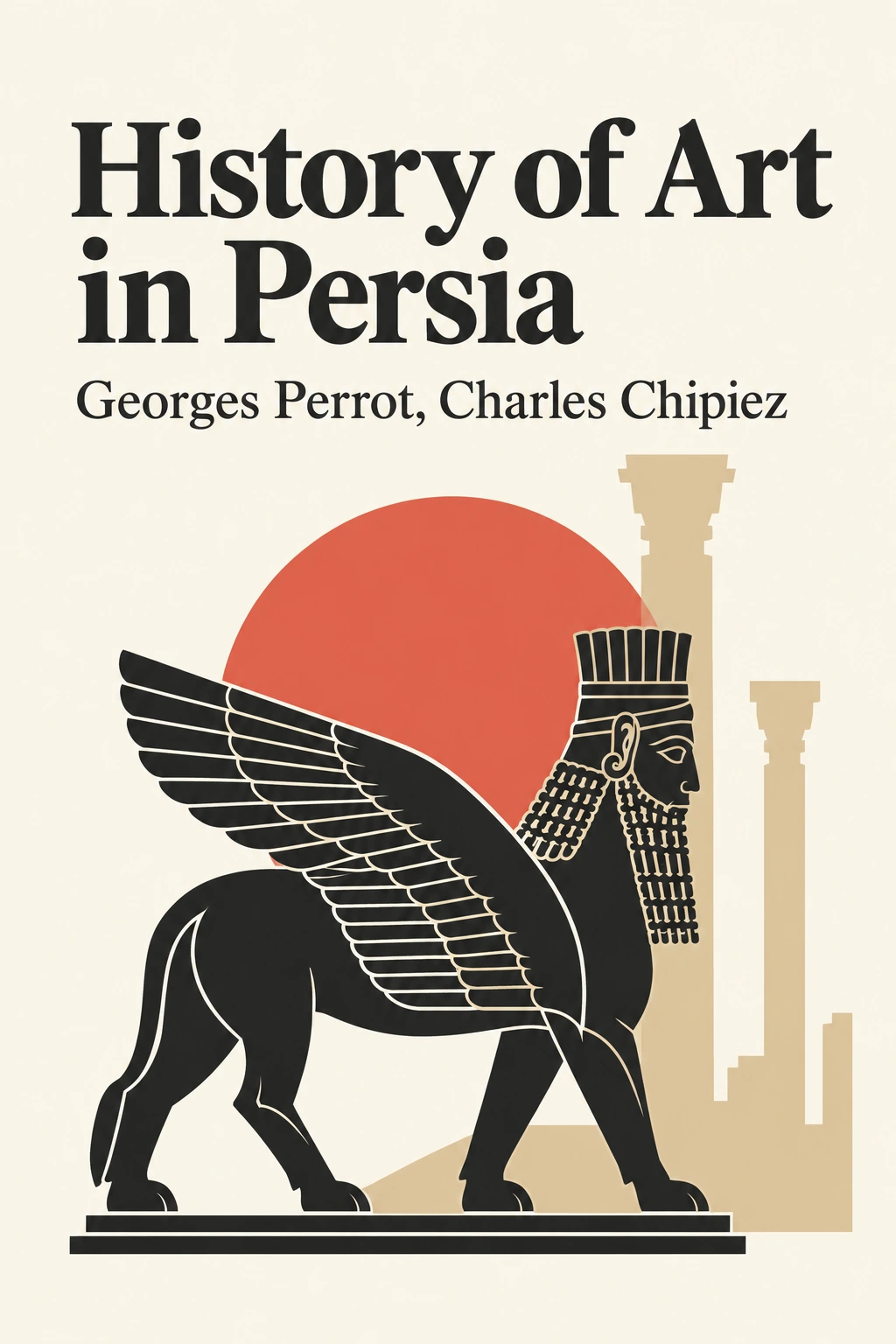
A Grand Tour Through Persian Art History: Unpacking Perrot & Chipiez Georges Perrot and Charles Chipiez's "History of Art in Persia" offers a comprehensive exploration of millennia of Persian artistic creativity, from grand architecture to intricate decorative pieces. It emphasizes understanding the people, empires, and ideas that shaped this legacy, highlighting the winding path of innovation, cultural borrowing, and distinct Persian identity. Epic saga of Persian art Winding path of innovation and borrowing Mashing up of cultures and historical periods Meticulous research with enthusiasm Understanding the 'why' behind art (beliefs, politics, trade, daily life) Immense scale and exquisite detail Enduring spirit of the people Ingenuity, craftsmanship, and artistic vision The Dawn of a Majestic Artistic Tradition: The Achaemenid Empire (c. 550–330 BCE) The Achaemenids set the stage with colossal palaces at Persepolis and Susa, showcasing statements of power, wealth, and sophisticated engineering. These were meticulously planned cities with grand staircases, audience halls (Apadana), and intricate relief carvings depicting tribute bearers, kings, soldiers, and mythical creatures. The architectural style blended influences from conquered territories into a distinctly Persian form, featuring towering columns and monumental gateways like the Gate of All Nations. Masters of logistics, they employed skilled labor from across their empire. Exquisite gold and silver vessels, decorated with royal hunts and processions, demonstrate delicate craftsmanship. Royal tombs, like those at Naqsh-e Rustam, mimicked palace architecture, asserting divine right and eternal power, often incorporating Zoroastrian symbolism like the winged 'faravahar'. The Achaemenid achievement was in creating a cohesive artistic language that unified a vast empire, establishing a standard of excellence that influenced subsequent traditions. Monumental architecture (Persepolis, Susa) Intricate relief carvings (processions, royal scenes) Synthesis of diverse architectural influences Exquisite gold and silver objects Royal tombs and cliff-face façades Establishment of a unifying artistic language Winged 'faravahar' (divine protection) Colossal statues (Lamassu) as symbols of authority The Sasanian Synthesis: Grandeur and Sophistication (c. 224–651 CE) The Sasanians, seeing themselves as heirs to the Achaemenids, revived Persian glory with impressive architecture and art. Iconic achievements include massive, unreinforced concrete vaults like the Taq-i Kisra (Arch of Ctesiphon), demonstrating engineering prowess. Rock-cut façades and reliefs at sites like Bishapur and Naqsh-e Rostam depicted royal investitures, battles, and divine right to rule, serving as historical records. Sasanian style is characterized by power, formality, and a distinct aesthetic, seen in stucco decorations with intricate patterns and figurative representations. They excelled in metalwork, producing exquisite silver