
Summary preview
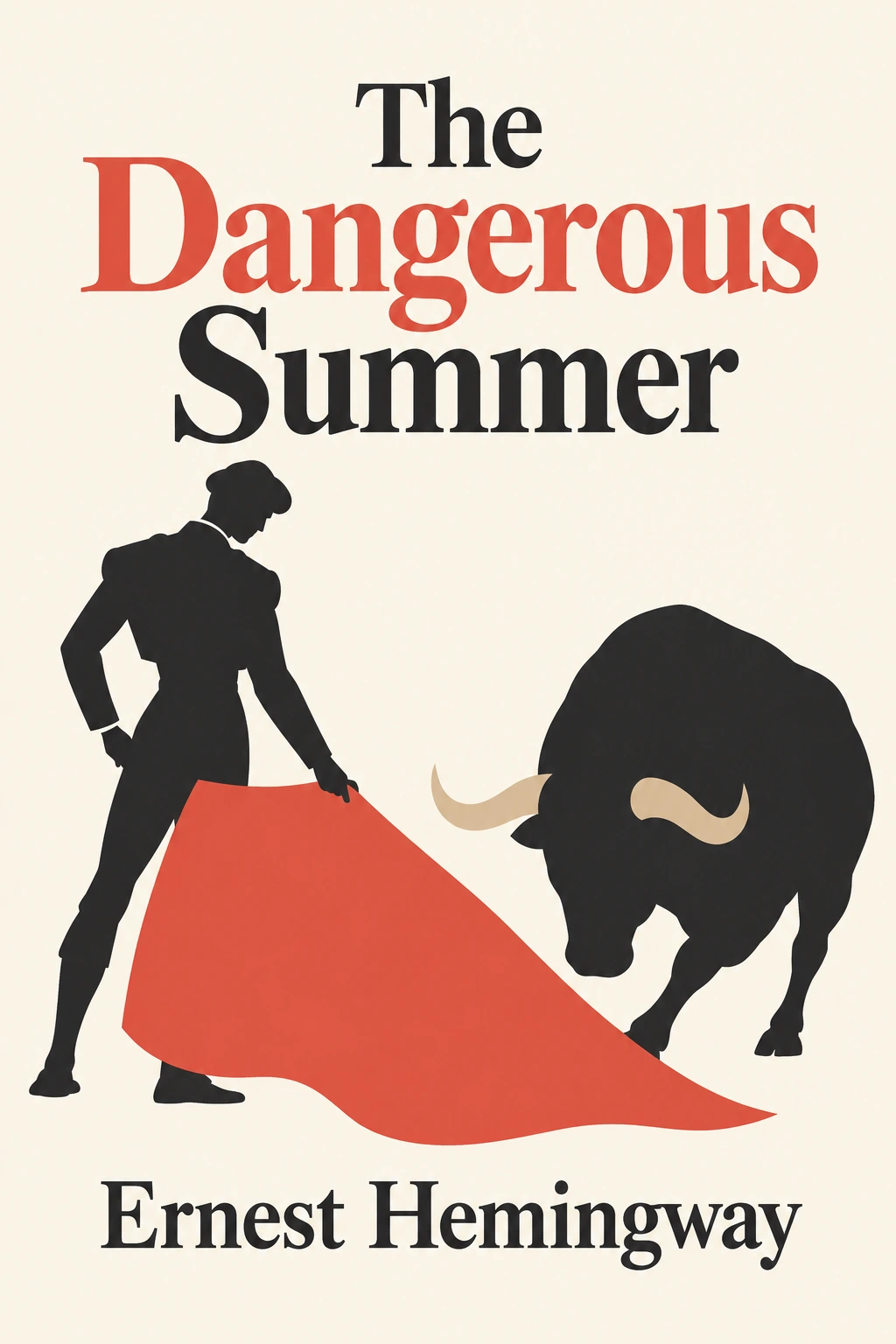
Hemingway's Dangerous Summer: A Deep Dive into the Arena and the Author's Soul Ernest Hemingway’s The Dangerous Summer is an intimate exploration of the 1959 Spanish bullfighting season, focusing on the rivalry between matadors Antonio Ordóñez and Luis Miguel Dominguín. More than a sports account, it's a visceral look at men courting death and a personal self-portrait of Hemingway grappling with his own mortality and legacy. Originally written for Life magazine, the book captures the sensory overload of the bullfighting world—heat, dust, blood, sweat—through Hemingway's sparse yet emotionally charged prose. He viewed bullfighting as a profound ritual, a dance with death where bravery, skill, and artistry were tested. The central drama revolves around the escalating rivalry between the established Luis Miguel Dominguín and the younger, ambitious Antonio Ordóñez. Their competition fueled each other's performances, pushing the boundaries of daring. Hemingway meticulously details their fights, dissecting the artistry, near misses, and inevitable tragedies, conveying the raw beauty and terrifying consequences of their craft. Hemingway felt a particular kinship with Ordóñez, a matador from a legendary family. He admired Ordóñez's purity of style, natural grace, and profound courage, often describing his approach as elegant and fluid. Hemingway's deep affection and concern for Ordóñez are palpable throughout the book. Dominguín represented the seasoned veteran, known for technical skill, calculated bravery, and showmanship. He was a master strategist, embodying controlled mastery and experience. Hemingway respected Dominguín immensely, though his relationship was more that of an observer than the deep personal connection he had with Ordóñez. The book is also a powerful self-portrait of Hemingway himself. In 1959, he was an aging man, grappling with physical ailments, declining writing prowess, and his own mortality. His identification with the matadors, particularly Ordóñez, stemmed from their struggle to maintain their edge and defy aging and injury, mirroring his own battles. He poured his energy into documenting their world as a way to re-engage with themes of courage and grace under pressure. Hemingway acted as a confidant and father figure to Ordóñez, deeply invested in his friend's safety and career. This personal involvement blurred the lines between observer and participant, revealing Hemingway's loyalty and affection, but also his tendency to become entangled. In his early sixties, Hemingway was acutely aware of his physical limitations and the passage of time. The bullfight, with its stark confrontation with death, served as a potent metaphor for his existential concerns about aging and the fading of his creative powers. Hemingway had experienced writing difficulties prior to this project. The intense drama of the bullfighting season and the opportunity to document it for Life magazine seemed to reignite his journalistic and narrative drive,