
Summary preview
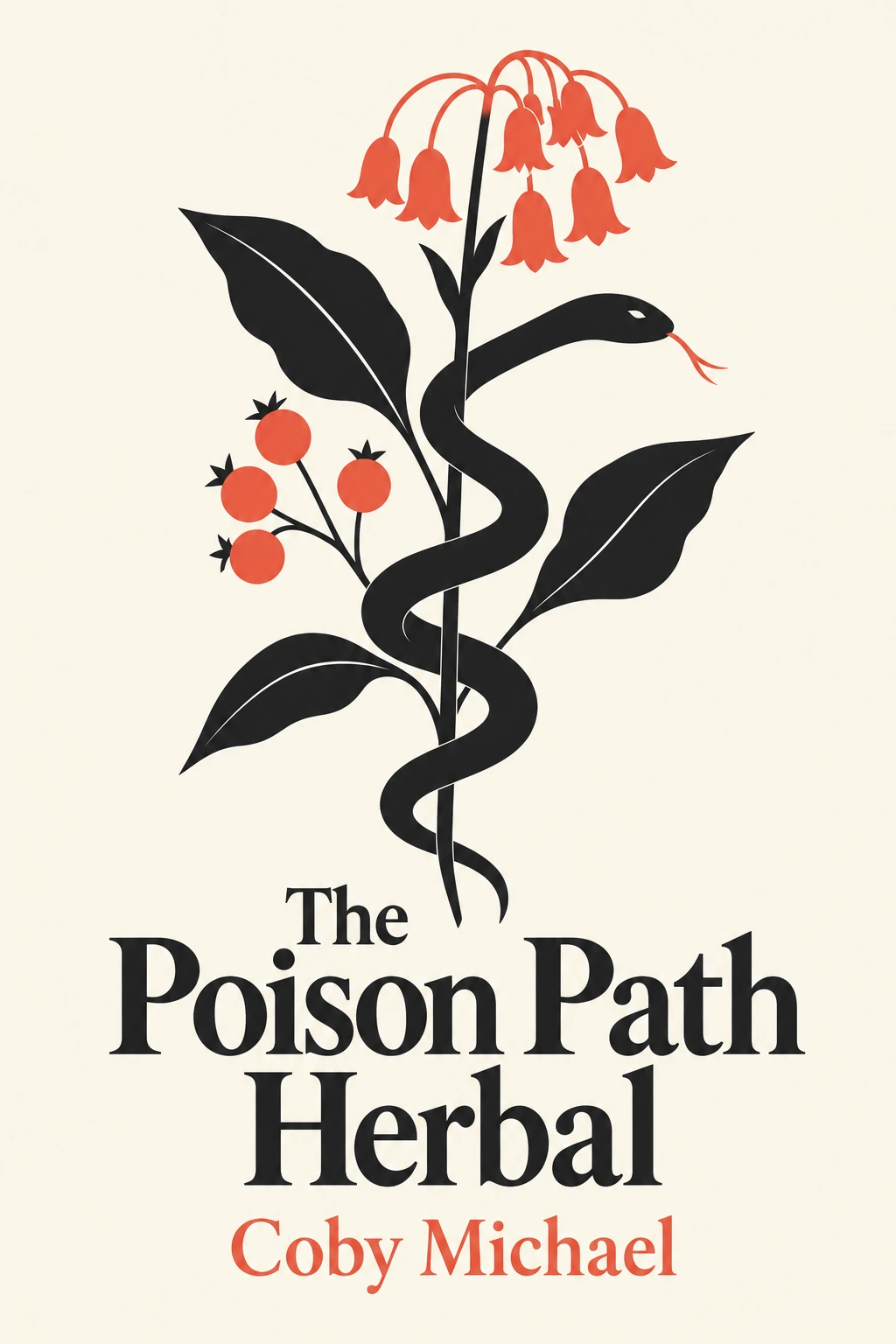
Unlocking the Power of Baneful Herbs: A Journey into Occult Herbalism This guide by Coby Michael explores the potent world of baneful herbs, reframing them not as poisons but as powerful allies for medicine, magic, and spiritual exploration. It's a comprehensive resource for understanding, respecting, and safely working with these often-feared plants. The Philosophy of the Poison Path The 'Poison Path' is a philosophical and practical approach to working with toxic and psychoactive plants. It emphasizes respect, understanding, and careful handling, viewing these plants as potent forces of nature holding keys to healing, spiritual insight, and magical power. This path encourages shifting from fear to fascination, recognizing that profound benefits often lie in challenging territories. It promotes a holistic understanding of plants, encompassing their chemical, spiritual, astrological, and mythological dimensions. Safety protocols, precise dosages, and mindful ritual are fundamental to this responsible engagement, aiming for growth, healing, and spiritual advancement by exploring liminal spaces where life, death, healing, and harm intersect. Deep Dive into Key Baneful Plants Michael provides in-depth explorations of iconic baneful plants, treating each as an individual with unique powers.
The Nightshade Family (Solanaceae):
Mandrake (Mandragora officinarum): Famous for its human-like root, used historically for anesthesia, fertility, and magic. Michael details its soporific and hallucinogenic properties, astrological links (Saturn), and ritualistic uses, stressing extreme caution due to alkaloids like atropine and hyoscyamine. Henbane (Hyoscyamus niger): Known for delirium-inducing and vision-provoking effects due to scopolamine, atropine, and hyoscyamine. Explores its use in shamanic practices and divination, noting its distinct, unpleasant smell as a clue to its potent nature. Thorn Apple (Datura stramonium or Datura innoxia): Notorious for powerful hallucinogenic and toxic effects (scopolamine, atropine, hyoscyamine). Michael highlights its extreme danger, potential lethality, and use in shamanic traditions for initiatory rites and visionary experiences, with strong warnings about dosage.
Beyond Nightshades:
Wolfsbane (Aconitum spp.): Beautiful but dangerously toxic, containing aconitine. Historically used as arrow poison and for pain relief. Magically associated with protection, shapeshifting, and confronting fears. Emphasizes extreme caution, noting skin absorption risks and links to Mars or Saturn. Hemlock (Conium maculatum): Famous for executions, containing coniine causing respiratory paralysis. Associated with death, transformation, and the underworld. Explores its use in rituals for letting go and ancestor communication, stressing the need for absolute certainty in identification. Hellebore (Helleborus spp.): Toxic but beautiful, used historically for mental illnesses and as a purgative. Magically associated with purification, banishing negativity, and confronting truths. Discusses its use in potent cleansing rituals with strong toxicity warnings.
Safer, Yet Potent, Companions:
Wormwood (Artemisia absinthium): Star ingredient in absinthe, known for bitterness and psychoactive thujone. Associated with divination, scrying, astral travel, and dispelling negativity. Generally less acutely dangerous than nightshades when used moderately. Mugwort (Artemisia vulgaris): Beloved for dream work, divination, and intuition enhancement. Gentler properties make it accessible for beginners. Covers use in dream pillows, teas for lucid dreaming, and smudging. Yarrow (Achillea millefolium): Known for staunching bleeding and use in divination, protection spells, and increasing courage. Possesses potent energetic properties and is a crucial part of the witch's arsenal. Cultivating Your Own Poison Garden Michael guides readers on safely cultivating baneful herbs, transforming potential hazards into controlled learning environments.
Why Grow Them?
Connection: Deepens understanding of the plant's life cycle and energy. Availability: Ensures access to sometimes hard-to-source herbs. Study: Provides invaluable observational insights. Magical Potency: Homegrown plants are believed to hold greater power.
Safety First, Always!
Location: Out of reach of children and pets, in a dedicated, secure area. 2. Clear Labeling: Permanent, unambiguous labels for every plant. 3. Protective Gear: Gloves, eye protection, and masks when handling. 4. Harvesting Protocols: Understanding specific parts, timing, and using clean tools. 5. Disposal: Mindful disposal of toxic plant material. 6. Knowledge: Thorough research on toxicity and effects before planting.