
Summary preview
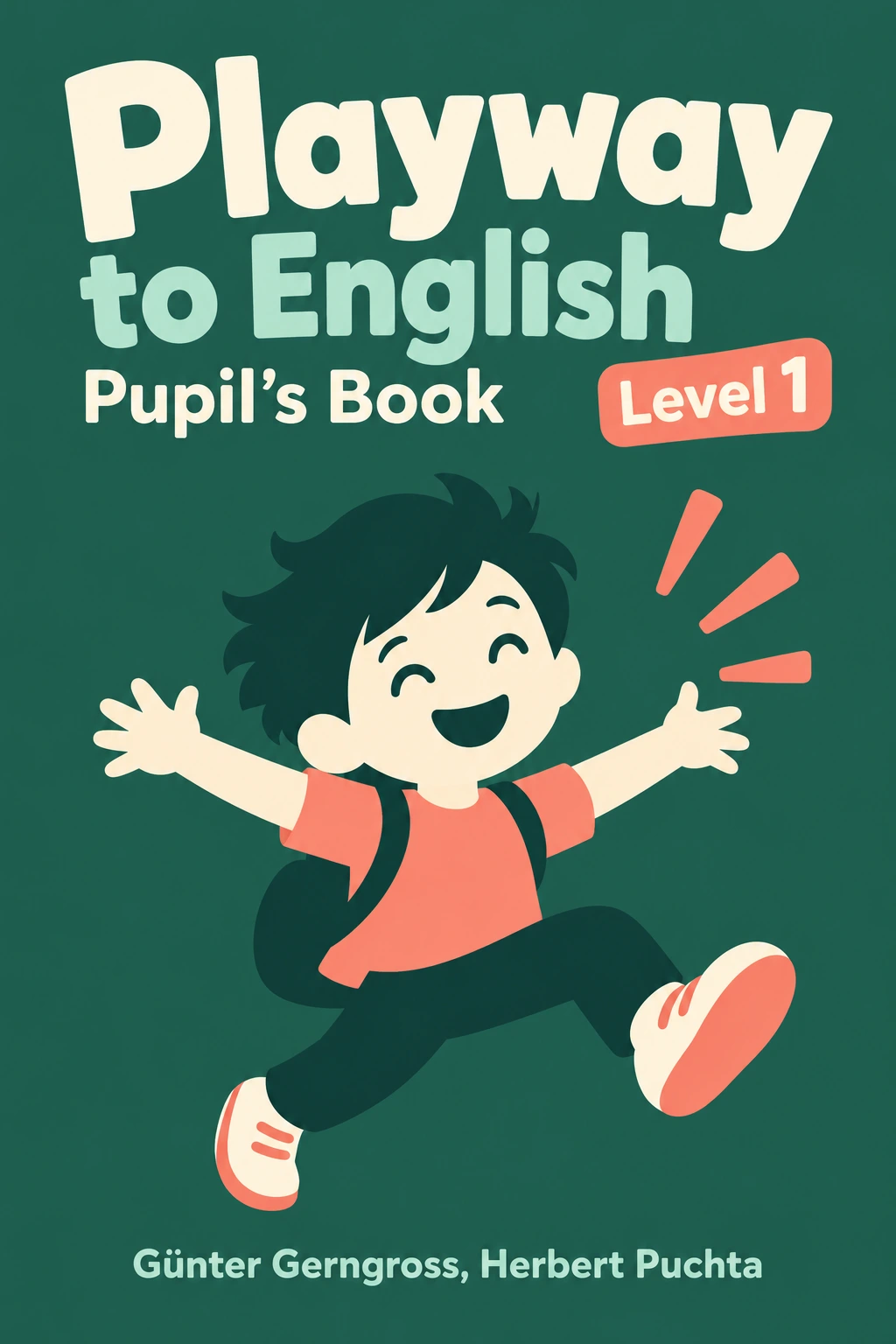
Playway to English Second Edition: A Deep Dive into Fun Language Learning for Little Ones Playway to English Second Edition is a revamped language learning course designed for young children, emphasizing fun and engagement. The Pupil's Book is central to this four-level course, focusing on making English acquisition feel like play through interactive activities, music, and movement. It aims to keep children hooked, connect English to other subjects, aid memory, and spark creativity. The Core Philosophy: Learning Through Play, Music, and Movement The course is built on the principle that children learn best when engaged and having fun. It moves away from traditional grammar-heavy lessons, focusing on natural and enjoyable activities. Play Integrates language learning into playful scenarios, games, and interactive tasks, tapping into children's innate drive to play. This makes learning intuitive and allows children to experiment and communicate without feeling like they are in a lesson. Music Utilizes songs, chants, and rhymes as vehicles for vocabulary, grammar patterns, and pronunciation. Rhythm and melody aid internalization, and singing builds confidence and practice opportunities. Total Physical Response (TPR) A method where language is learned through physical activity. Children respond to instructions by performing actions, creating a direct link between words and meaning. This multi-sensory approach is highly memorable. This trifecta creates a fun, effective, and dynamic learning environment catering to various learning styles, ensuring active participation and natural English acquisition. Inside the Pupil's Book: Features That Spark Engagement The Pupil's Book is designed with specific features to keep young learners motivated and involved. Fantastic Varied Tasks A constant stream of diverse activities, including interactive exercises (matching, drawing, coloring), storytelling elements, game-like activities, and creative prompts. This variety prevents boredom and keeps children eager to learn. Cross-Curricular Activities Connects English learning to other subjects like science, math, art, and social studies. For example, learning animal names might involve discussing habitats (science), counting legs (math), or drawing and describing animals (art). This contextualizes language, reinforces concepts, broadens horizons, and increases relevance. Self-Evaluation Sections Empowers learners by helping them reflect on their understanding. Activities like 'Can You...' checklists or simple quizzes allow children to assess their own progress, reinforcing retention and building metacognitive skills in a positive way. Regular Word Play Sections Encourages creative use of language through rhyming games, word association, simple jokes, creative writing prompts, and tongue twisters. These sections foster linguistic creativity, deepen understanding, boost engagement, and enhance memory. The "Playway" Methodology in Action: A Closer Look The methodology