
Summary preview
Your Ultimate Guide to Exercise Physiology: Unpacking Plowman & Smith's Masterpiece
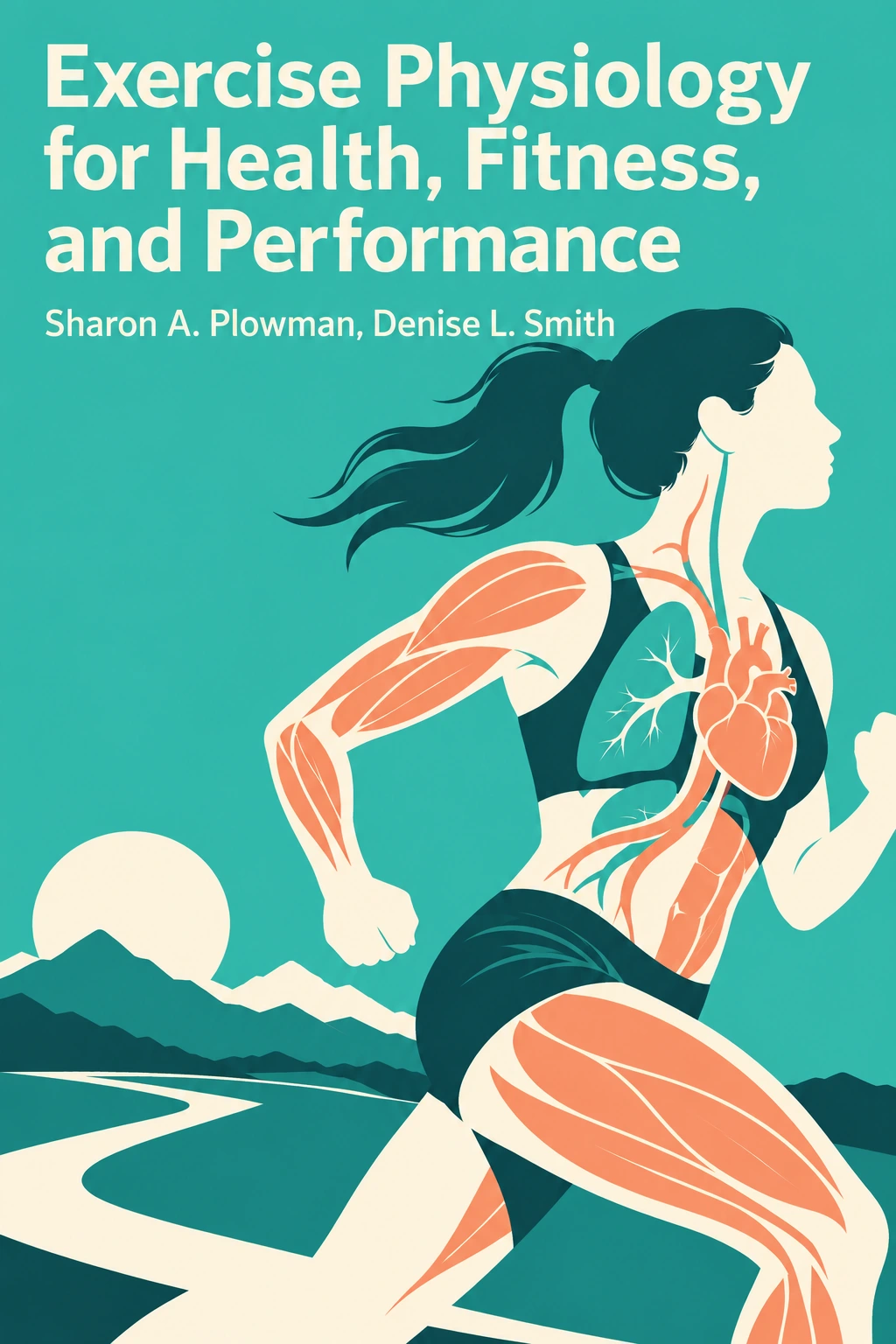
This guide explores Sharon A. Plowman and Denise L. Smith's "Exercise Physiology for Health, Fitness, and Performance," a resource that explains the science behind your body in motion. It's structured to make learning engaging, starting with foundational knowledge and building towards practical applications.
Anatomy and Physiology: The Building Blocks
It reviews key components involved in movement and energy production: Muscles: How they contract, types (slow-twitch vs. fast-twitch), and how they adapt. Cardiovascular System: Heart rate, oxygen/nutrient delivery, and waste removal during exercise. Respiratory System: Increased breathing for oxygen intake and CO2 expulsion. Nervous System: Brain signals for movement and regulation of bodily functions.
Neurohormonal Regulation: The Body's Command Center
This highlights the critical role of the nervous system and hormones: Nervous System: Brain-to-muscle signaling for movement initiation and control. Hormones: Chemical messengers like adrenaline (energy mobilization), insulin/glucagon (blood sugar regulation), cortisol (energy metabolism), and growth hormone/testosterone (muscle repair/growth). Understanding this interplay explains physiological feelings during and after exercise and how training leads to adaptation.