
Summary preview
Introduction to Rich Habits Poor Habits
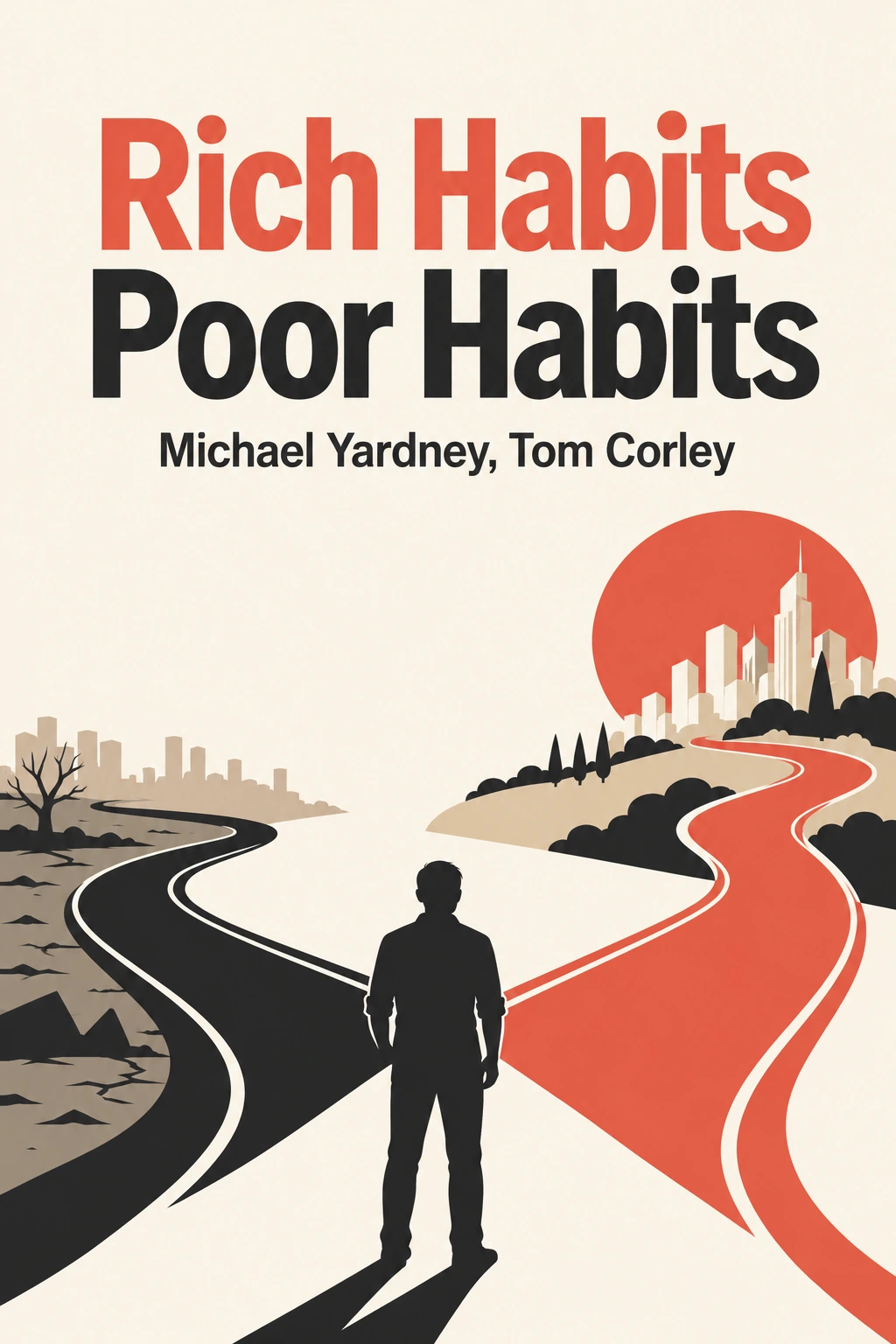
Michael Yardney and Tom Corley's book "Rich Habits Poor Habits" argues that wealth is overwhelmingly influenced by repeated daily habits, mindset, and behavior rather than just luck, rich parents, or secret knowledge. Your life today is the sum total of your habits, and wealth is a learned set of behaviors. If you audit your routines, identify holding-back habits, and consciously adopt the mindset of financially successful people, you can change your financial trajectory.
Main Theses
Wealth is a result of daily habits, not just income: Without proper habits, high earners can go broke, while modest earners can build substantial wealth through disciplined saving, investing, and living below their means. - Mindset dictates financial outcomes: The book highlights a contrast between the "Rich Mindset"—embracing personal responsibility, optimism, and continuous learning—and the "Poor Mindset," which relies on externalizing blame, luck, and fatalism. - Goals must be actionable and written down: Wealthy people utilize clear, written goals combined with daily to-do lists to steer their daily actions in a productive direction, avoiding vague wishes. - Financial discipline is a non-negotiable asset: Rich habits focus on acquiring assets and building net worth, whereas poor habits prioritize instant gratification and consumption.
Idea 1: Personal Responsibility and the Locus of Control
Wealthy individuals overwhelmingly operate with an internal locus of control, believing they are architects of their own destiny rather than blaming external factors like the economy, boss, bad luck, or government. When investments fail or ventures hit snags, they treat them as feedback, adjust strategy, and press forward, empowering themselves to create successes.