
Summary preview
Laboratory Animal Medicine: A Deep Dive for Researchers
This compilation serves as a comprehensive guide to laboratory animal medicine, essential for researchers involved in medical advancements. It consolidates expert knowledge on the health, biology, and ethical use of animals in research, aiming to ensure accuracy and welfare.
The Big Picture: Why Lab Animal Medicine Matters
This field is crucial for understanding the diseases and biology of major animal species used in medical research. The goal is to equip scientists, veterinarians, and handlers with the knowledge to maintain animal health, manage them properly, and ensure research is accurate and ethical.
What's Inside? A Sneak Peek
As a collection of expert papers, it offers diverse insights into: Animal Medicine & Biology: Fundamental understanding of physiology, ailments, and health concerns. Experimental Methods & Techniques: Designing and executing well-founded experiments. Facility Design & Management: Creating environments that promote well-being and research integrity. Legislation & Ethics: Navigating rules for ethical and legal compliance.
Species Spotlight: Who Are We Talking About?
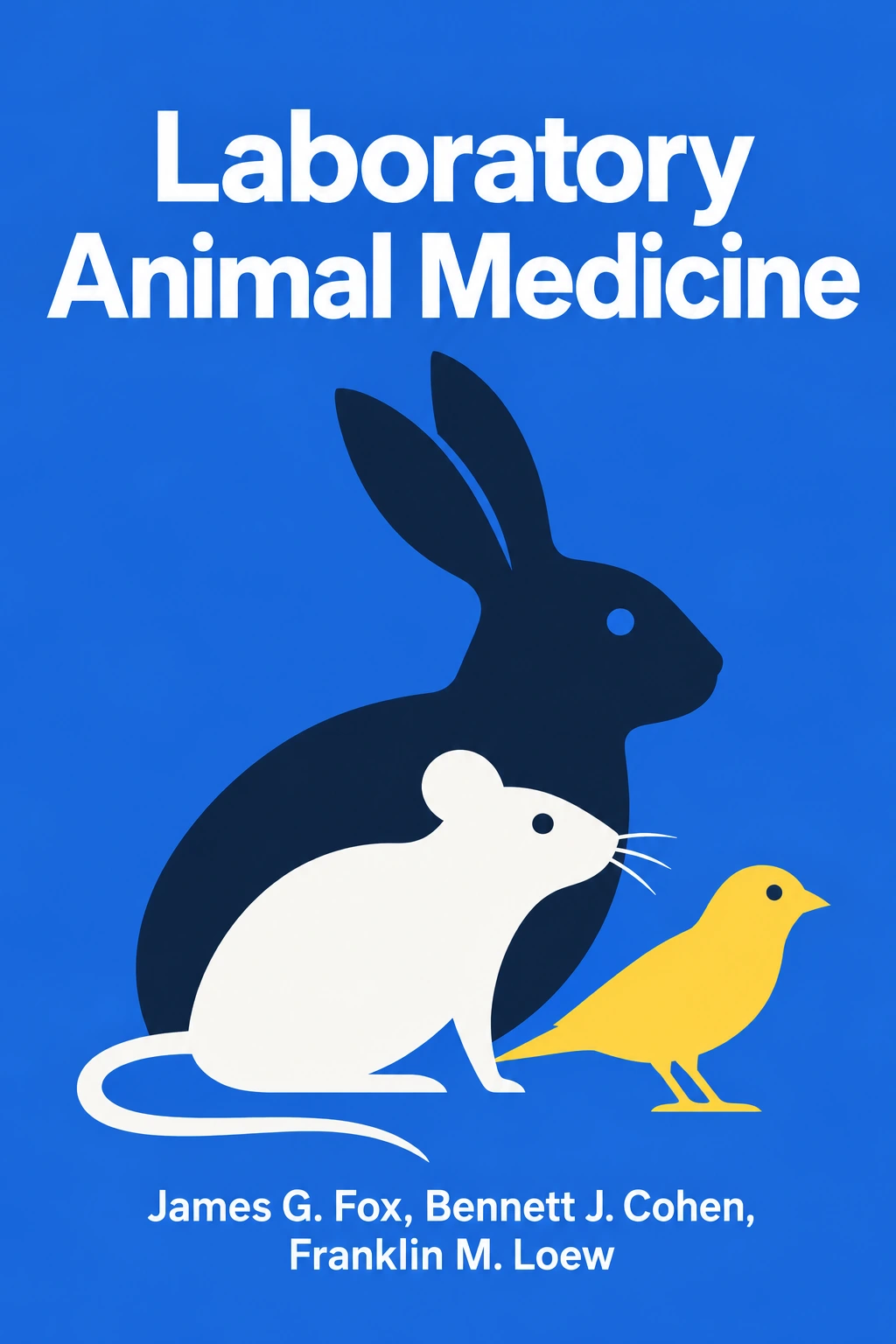
Detailed sections cover common research species: Mice, Hamsters, Guinea Pigs, and Rabbits: Workhorses of research, with focus on their biological quirks, common diseases, and lab care. Dogs and Cats: Used for complex physiological studies, covering sourcing, housing, nutrition, and breeding colony management. Ungulates (Sheep, Goats, Pigs, Cattle): Vital for comparative medicine and transplantation research, detailing sourcing, husbandry, preventive treatments, and facility requirements. Primates (Old World, Cebidae) and Ferrets: Used for studies requiring complex physiology and behavior, covering unique biology, diseases, and specific research applications. Birds, Amphibians, and Fish: Important for toxicological, developmental, and disease modeling studies, addressing their specific treatment, disease management, and housing needs.
Beyond Biology: The Nuts and Bolts of Research
This compilation also addresses practical research aspects: Techniques of Experimentation: Emphasizing reproducibility and minimizing variables. Anesthesia and Euthanasia: Discussing safe and humane methods tailored to species and procedures. Factors Complicating Research: Understanding spontaneous diseases to design robust studies and interpret data correctly.
Who Should Read This?
This resource is invaluable for scientists, clinical assistants, and researchers directly involved in the care, handling, or experimental use of laboratory animals, ensuring scientifically sound, ethically responsible, and compliant work.