
Summary preview
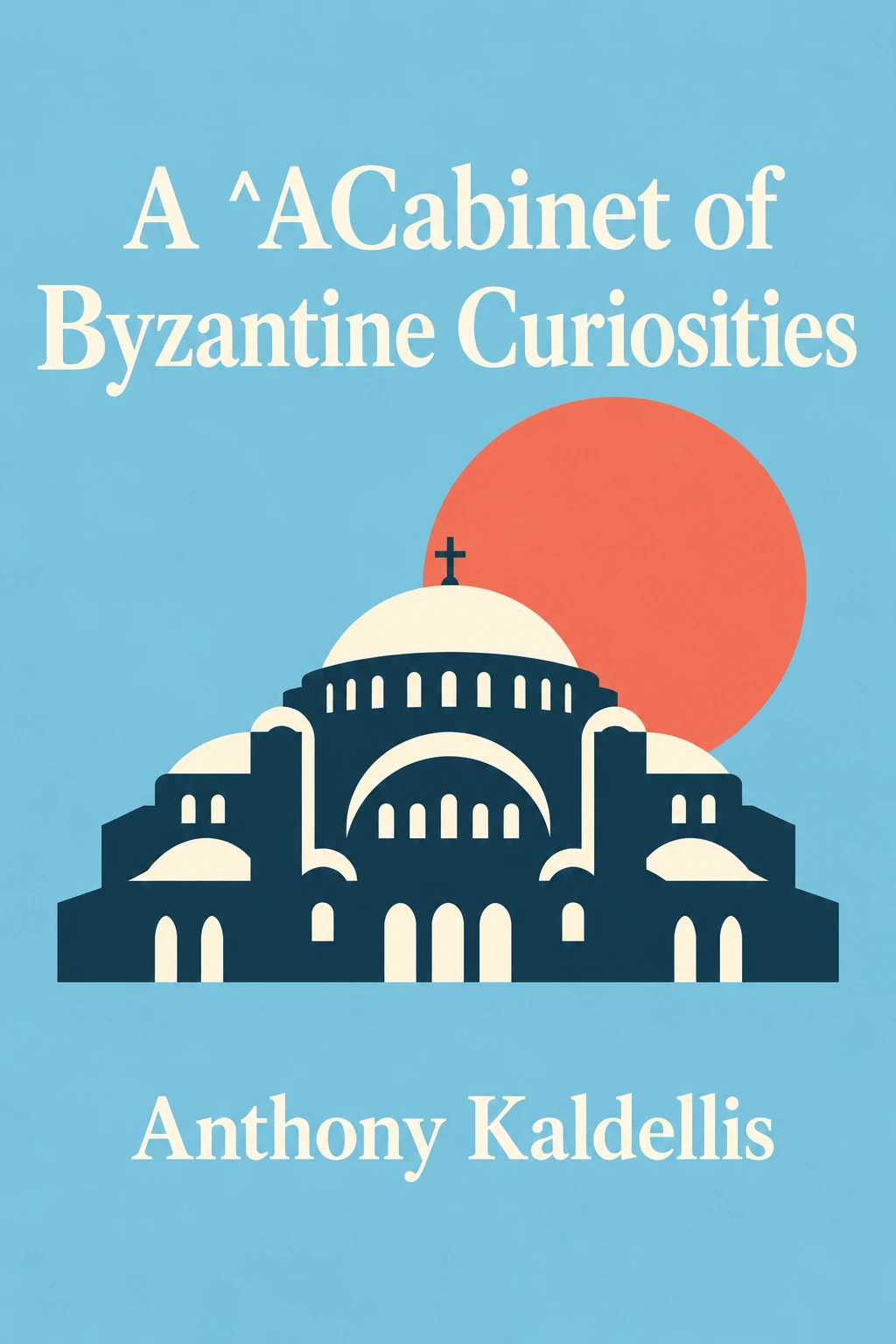
A Cabinet of Byzantine Curiosities: Unpacking the Weird and Wonderful Anthony Kaldellis's "A Cabinet of Byzantine Curiosities" offers a departure from traditional historical accounts, presenting the Byzantine Empire through its most fascinating, bizarre, and often humorous artifacts and stories. The book aims to both confirm and challenge stereotypes about Byzantium, revealing a civilization brimming with peculiar characters, strange customs, and unexpected events beneath its gilded surface. It argues that history, particularly Byzantine history, is vibrant, complex, and entertaining, characterized by emperors' tantrums, heated religious debates, and a world akin to a soap opera mixed with a theological seminary. Interplay between the Sacred and the Profane Byzantium deeply integrated religion into all aspects of life, with the emperor as God's representative. This intense religiosity often coexisted with brutal political maneuvering, personal ambition, and human flaws, creating a constant tension between divine aspirations and human imperfections. Nature of Power and Authority The book examines how emperors maintained control over a vast empire for over a millennium through ceremony, propaganda, religious legitimation, and ruthless crackdowns. The Byzantines were masters of political theatre, using spectacle and symbolism to project stability and divine favor, even during crises. Role of the Extraordinary and the Miraculous Miracles were expected in Byzantium. Relics of saints held potent power, divine interventions were sought, and the line between the natural and supernatural was blurred. These beliefs shaped worldviews, influenced political decisions, and provided a framework for understanding a chaotic world. Byzantine Sense of Identity and Continuity Despite facing constant threats, the Byzantines maintained a strong sense of being the true heirs of Rome with a divinely ordained mission. This resilience and insistence on their unique place in the world underscore their remarkable longevity. Kaldellis unearths vivid, character-driven narratives that bring the Byzantine past to life. Byzantine rulers were often portrayed as very human, prone to fits of rage, petty squabbles, or decisions based on personal whims. Examples like Justinian II's cruelty or Theophilos's eccentricities illustrate the psychological toll of absolute power and how personal relationships impacted the empire. Theological debates were intense and public, influencing imperial policy and sometimes leading to violence. Controversies like Iconoclasm (debates over religious images) and Christological debates (about Christ's nature) had real-world consequences, shaping the Church and the empire. Ordinary Byzantines lived in a world saturated with superstition and reliance on the supernatural. Intense devotion to holy relics (bones, clothing) was common, as they were believed to possess healing and protective powers. Churches were built to house them, and emperors sought them