
Summary preview
Essentials of Exercise Physiology: Third Edition Review
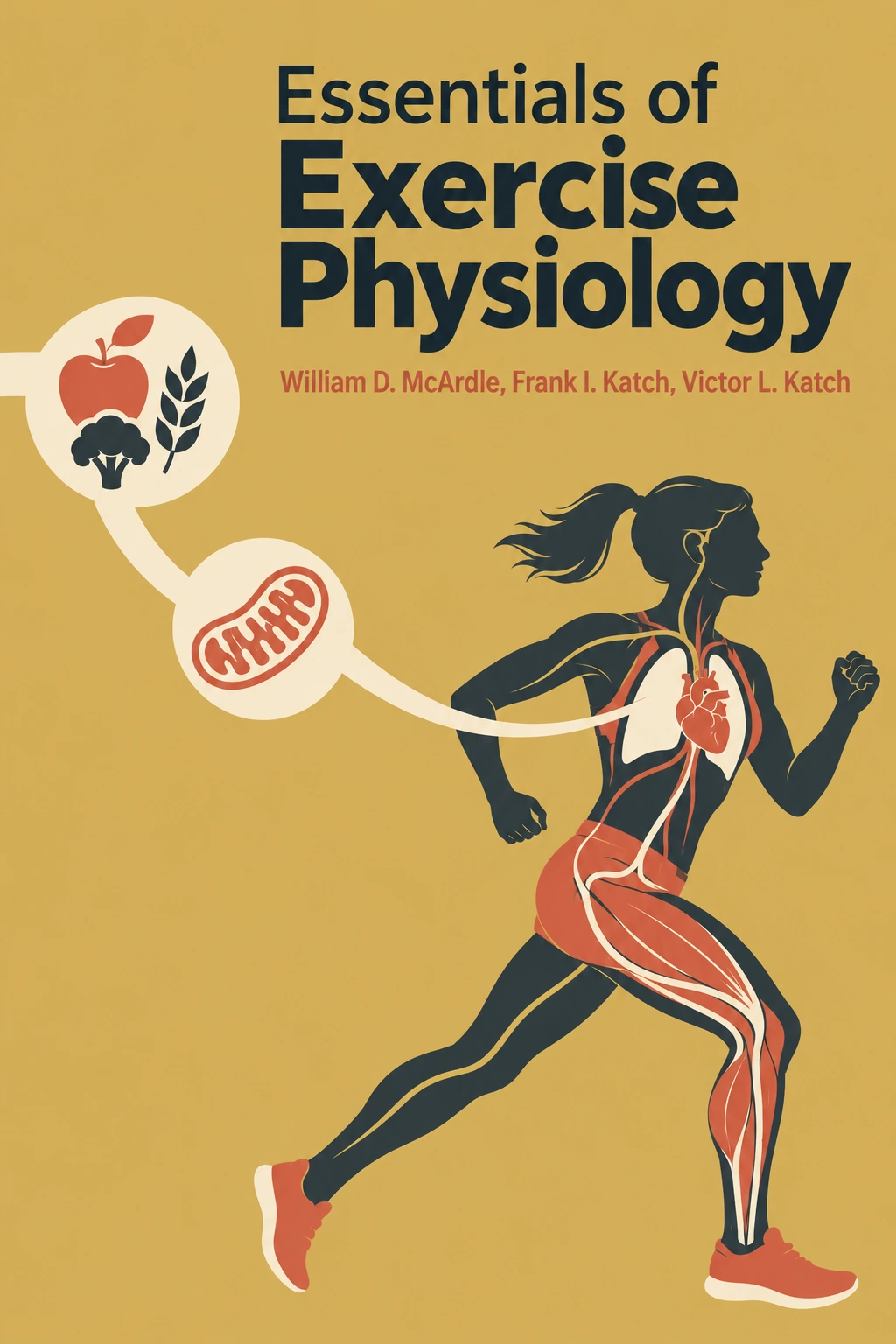
The Third Edition of 'Essentials of Exercise Physiology' is a comprehensive and engaging guide to a complex subject. It's thoroughly updated, integrating current scientific discoveries with practical, clinical insights. The book features extensive full-color graphics, photos, and real-life case studies to enhance understanding of physiological processes and their application. For students, an 'Integrated Workbook' in the margins allows for on-the-spot reinforcement and note-taking. A bundled CD-ROM provides practice questions (multiple-choice and true/false) for exam preparation. The text also offers free access to LiveAdvise online faculty support and student tutoring services. The book's core philosophy is integration, emphasizing the interconnectedness of nutrition, metabolism, muscle function, cardiovascular response, and training
Nutrition: Beyond Fuel
The book dedicates significant attention to nutrition, explaining the roles of macronutrients (carbohydrates, fats, proteins) and micronutrients (vitamins, minerals) in energy production, muscle repair, hormone function, and overall health during exercise. It covers: Carbohydrates: Types, storage as glycogen, and importance for high-intensity exercise. Fats: Role as long-term energy, fatty acid importance, and training-induced fat-burning efficiency. Proteins: Beyond muscle building, roles in enzyme and hormone synthesis, and immune function. Vitamins and Minerals: Cofactors in metabolic pathways, oxygen transport, bone health, and antioxidant defense. Hydration: Fluid balance, dehydration risks, and strategies for maintaining hydration. Visual aids and case studies illustrate tailored nutritional strategies for different athletes and
Energy Transfer: The Body's Powerhouse
This section, bioenergetics, explains how the body produces and uses energy through key systems: ATP-PC System (Phosphagen System): For immediate, short-burst energy (sprinting, heavy lifting). Glycolytic System (Anaerobic Glycolysis): For activities lasting 30 seconds to 2 minutes (e.g., 400m sprint), breaking down glucose without oxygen. Concepts like