
Summary preview
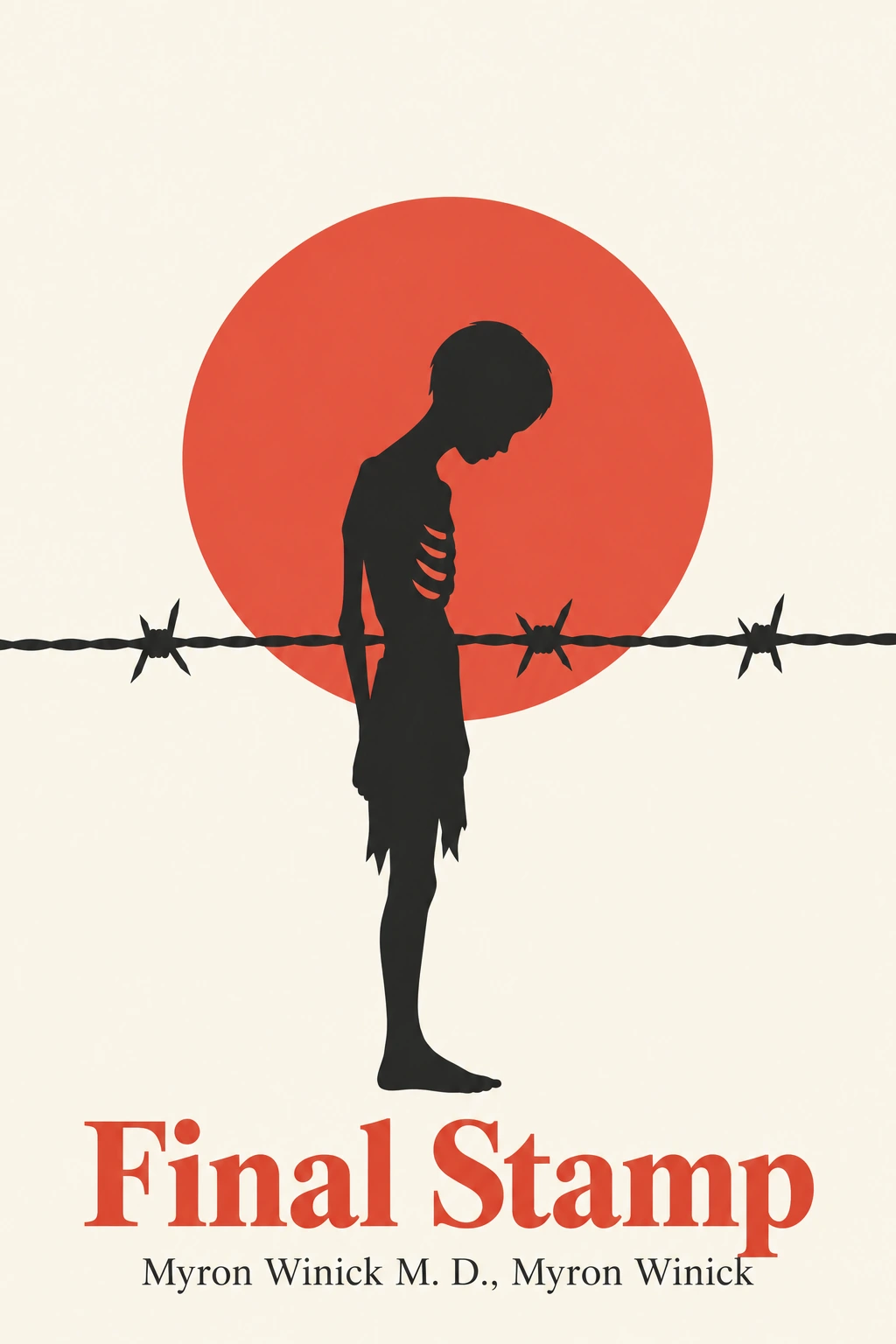
The Warsaw Ghetto Starvation Study: A Chronicle of Human Endurance and Scientific Resolve This is the story of a scientific study on starvation conducted by Jewish physicians in the Warsaw Ghetto from February to July 1942. Amidst unimaginable suffering and daily death, these doctors meticulously documented the physiological effects of severe malnutrition. The study, rooted in historical fact but woven with fictionalized narrative elements for engagement, aims to portray human resilience and the pursuit of knowledge in the face of annihilation. The Warsaw Ghetto, established by Nazi Germany in 1940, was a sealed area with overcrowded, unsanitary conditions and minimal food rations. By 1942, it was a place of apocalyptic suffering, with starvation, disease, and rampant death. The physicians' study was an act of defiance, a desperate attempt to glean understanding from the abyss. This chronicle is more than medical data; it's a testament to the human spirit, the pursuit of knowledge, and the need to bear witness. The Warsaw Ghetto was a deliberate instrument of dehumanization and slow death. Established in October 1940, it became the largest Jewish community in Nazi-occupied Europe, holding over 400,000 people in a small, squalid area. Conditions were engineered to be horrific, with extreme overcrowding and lack of sanitation leading to rampant disease. Food was the most brutally controlled commodity, with official rations providing only 184 calories daily, a fraction of what was needed for survival, compared to over 2,600 for Germans. This deliberate starvation policy weakened the population, making them susceptible to disease and creating pervasive hunger. The physical and psychological toll was immense, marked by emaciation, lethargy, weakness, and hopelessness. Yet, amidst despair, life persisted, and a fragile community endured. It was within this crucible that the physicians decided to conduct their study. The decision to undertake a formal study of starvation arose from a deep professional and humanitarian imperative. Physicians witnessed firsthand the devastating effects of malnutrition and recognized the need to move beyond anecdotal observations to systematic documentation. Medical Understanding: To better treat patients with limited resources by understanding the progression of starvation. Scientific Documentation: To record the effects of this man-made catastrophe for future generations as a stark warning. A Measure of Humanity: To reassert intellect and purpose in an environment designed to strip individuals of their dignity. The study was born from a dual necessity: a professional obligation to understand and document a critical medical phenomenon, and a human desire to find meaning and leave a legacy amidst systematic destruction. The study was primarily conducted by Jewish physicians associated with the two largest hospitals in the Warsaw Ghetto: the Jewish Hospital and the Cukierstein Hospital. These were severely under-equipped