
Summary preview
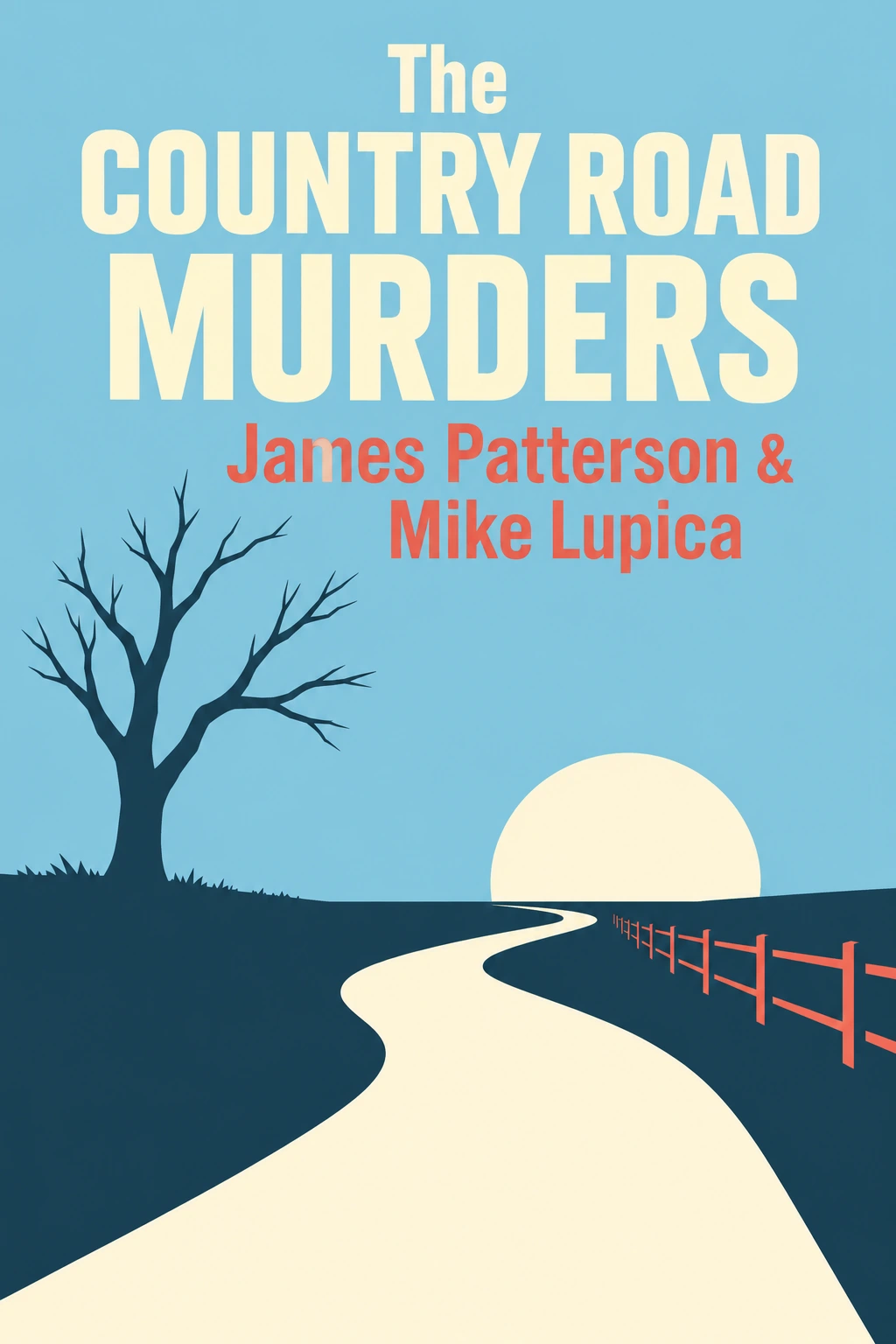
The Country Road Murders: A Deep Dive into Patterson & Lupica's Thriller
Introduction: Setting the Stage for Suspense James Patterson and Mike Lupica's 'The Country Road Murders' plunges readers into a seemingly tranquil setting where a brutal and baffling crime shatters the peace. The novel immediately establishes a sense of unease, drawing readers into a community grappling with the ripple effects of violence. The authors excel at creating an immersive atmosphere, making the setting an almost character in itself, influencing the mood and the unfolding investigation. Key players—detectives, suspects, and victims—are introduced with just enough detail to foster engagement without revealing too much, promising a journey filled with twists and emotional depth. The tone is serious, presenting the crime not for sensationalism, but as a tragic event demanding resolution, emphasizing the human stories behind the mystery. Main Theses: The Heart of the Narrative The novel is built on several core thematic pillars: The Unseen Scars of the Past: Past traumas, unresolved conflicts, and hidden histories inevitably resurface, impacting the present. The 'country road' symbolizes the paths people take, often leading back to unresolved issues, with the murders acting as a catalyst for confronting buried secrets. This theme explores how history shapes present actions and consequences. The Fragility of Seemingly Peaceful Facades: The illusion of idyllic rural life is meticulously deconstructed, revealing a complex undercurrent of secrets and resentments. The 'country road' setting becomes a stage for shocking violence, challenging perceptions of safety and suggesting that threats can be hidden in plain sight. The Relentless Pursuit of Truth, Even at Great Personal Cost: The investigation is a deeply personal journey for the characters, driven by a profound need for justice. This pursuit demands sacrifice, highlighting the emotional and psychological toll on investigators and emphasizing the grueling, dangerous, and isolating nature of uncovering truth. The Interconnectedness of Community and Crime: A crime sends shockwaves through the entire community, testing relationships and collective histories. Long-held dynamics can aid or obstruct the investigation, underscoring that crime is a social phenomenon requiring navigation of intricate social webs. Key Ideas: Deconstructing the Narrative Beyond the overarching theses, the book employs specific narrative techniques: The Art of the Red Herring: Authors skillfully use misdirection, introducing plausible suspects and misleading clues to keep suspense high and force readers to constantly re-evaluate theories. Dual Timelines and Shifting Perspectives: The narrative likely utilizes multiple timelines or perspectives, perhaps jumping between present-day investigations and past events, controlling the flow of information to deepen the mystery and explore character backstories. The Detective's Personal Stake: Lead investigators often have personal connections to the case, elevating the stakes