
Summary preview
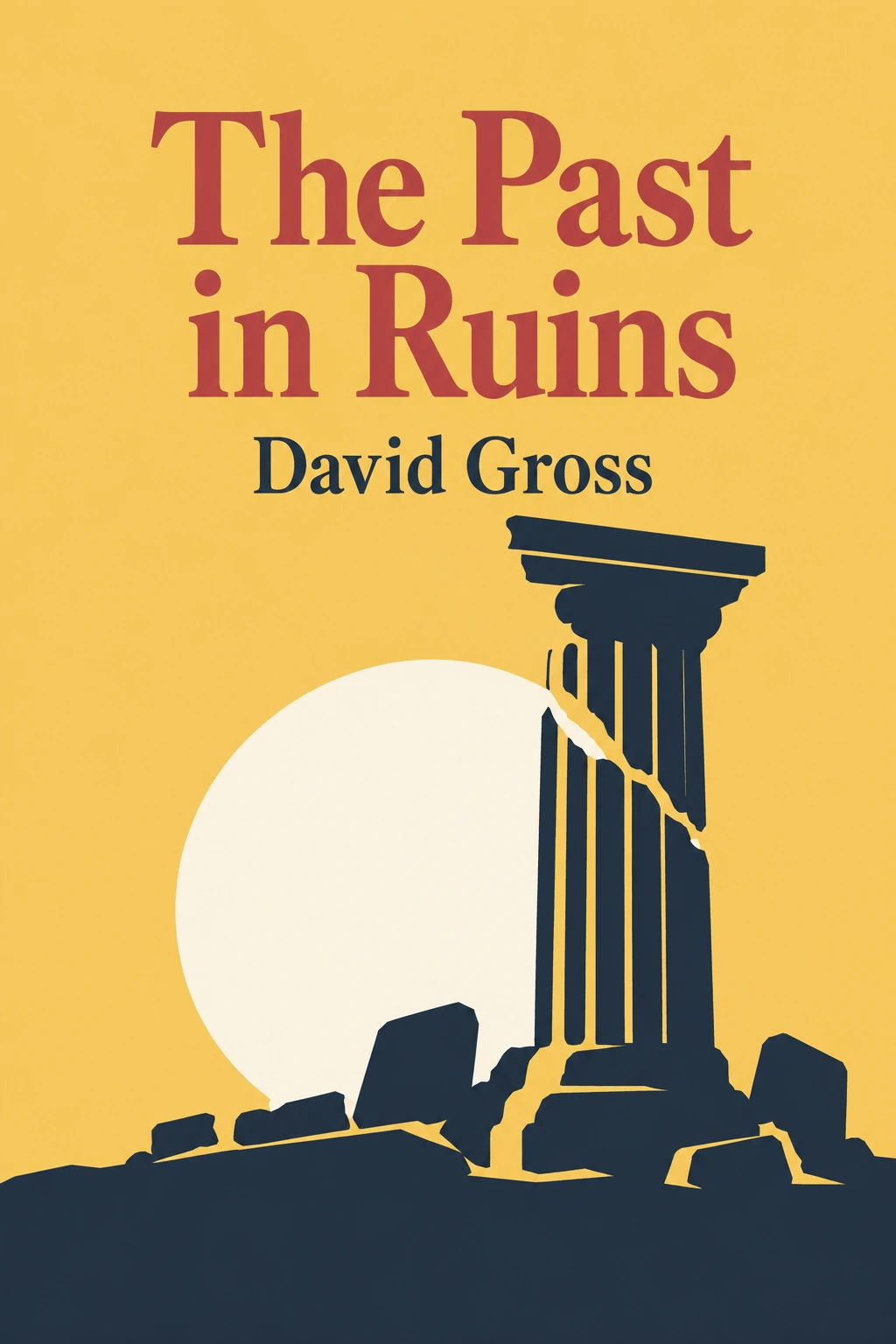
The Past in Ruins: Unpacking Tradition in a Dynamic World David Gross David Gross's "The Past in Ruins" challenges conventional notions of tradition, presenting it not as static or pure, but as a complex, dynamic, and often fabricated construct constantly shaped by human intention and historical forces. The book argues that tradition is a process of transmission and interpretation, not just repetition, and that its survival often depends on its ability to adapt to modern pressures. Gross explores how critical thought and societal changes erode traditional authority, distinguishes between genuine 'survivals' and conscious 'fabrications,' and advocates for a critical engagement with tradition that moves beyond nostalgia or rejection. He proposes seeking meaning in the 'traces' of the past, unearthing 'subversive genealogies' to understand hidden histories and power dynamics, and recognizing the 'tactics' used to deploy traditions. The conclusion emphasizes navigating the 'ruins' of the past with open eyes, acknowledging our agency in shaping our heritage. Chapter 1: The Meaning of Tradition – More Than Just Old Habits Gross deconstructs tradition, arguing it's a process of transmission and interpretation, not mere repetition. It offers continuity and belonging but is often a modern invention to create anchors in a fragmented world. The act of identifying something as 'tradition' is itself a contemporary act, often simplifying fluid past practices. Tradition is a living, often contradictory phenomenon, not a fixed object. Chapter 2: Tradition Under Stress – When the Old Ways Clash with the New This chapter examines how traditions are pressured by modernity, rapid change, new technologies, and evolving ideas (e.g., globalization, secularization). Traditions respond by adapting, resisting, or eroding. Survival often depends on flexibility and negotiation between maintaining identity and adapting to new realities. Tradition is a site of ongoing negotiation. Chapter 3: Shaking the Foundations – Challenges to Traditional Authority Modern thought and societal shifts challenge the authority underpinning traditions (religious, elders, elites). Enlightenment values, reason, and individual inquiry encourage questioning the 'why' behind traditions. Scientific discoveries and critical analysis reveal human origins, stripping traditions of perceived immutability. This destabilizes traditions when the unquestioned becomes questioned. Chapter 4: Survivals and Fabrications – The Ghost in the Machine Gross distinguishes between 'survivals' (practices with long, seemingly unbroken lineages, though meaning may be lost) and 'fabrications' (consciously created or significantly reshaped traditions for present needs). The line is blurry; fabrications can feel ancient, and survivals may be adapted fabrications. He urges critical examination of claims to ancient authenticity, recognizing invention and reinterpretation. Chapter 5: Rethinking Tradition – Beyond Nostalgia and