
Summary preview
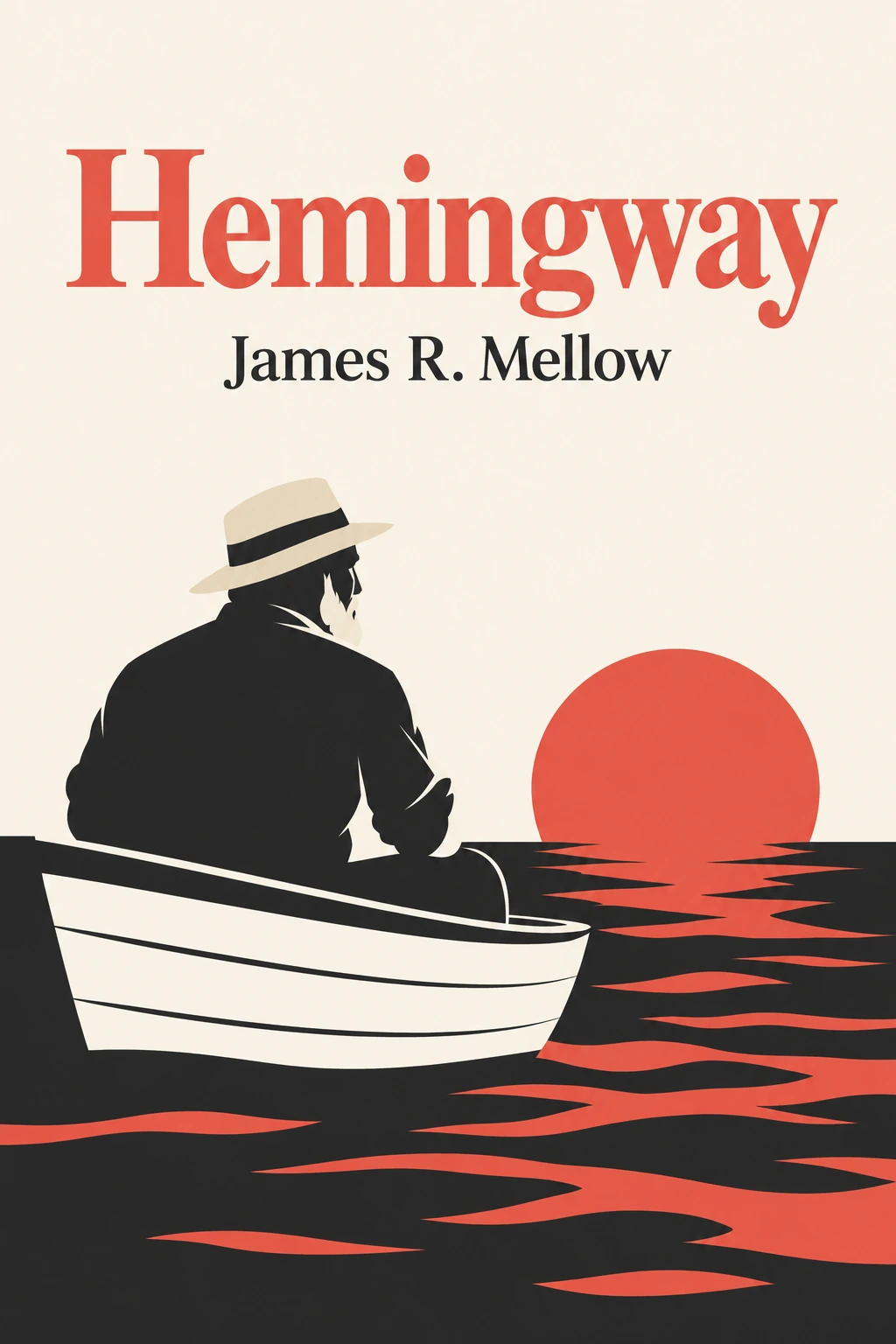
Hemingway: A Life of Adventure, Art, and Anguish The Making of a Legend: Early Life and Influences Ernest Hemingway's formative years in Oak Park, Illinois, were shaped by a duality of influences: his father's love for the outdoors and his mother's artistic sensibilities. The strict environment likely fueled his later rebellion. His father's suicide in 1928 deeply traumatized him, permeating his work with themes of loss. Hemingway's early journalism for the Kansas City Star was crucial, instilling the bedrock of his concise, direct prose style – 'Use short sentences. Use short first paragraphs. Use vigorous English. Be positive. Don't puff.' The Crucible of War and Journalism: Finding His Voice World War I was a pivotal, traumatic experience. Wounded while serving with the Red Cross Ambulance Corps in Italy, Hemingway gained a profound understanding of courage, fear, and existential weight, forging his 'grace under pressure' ethos and providing material for 'A Farewell to Arms.' Post-war Paris immersed him in bohemian artistic circles, where he absorbed influences from literary giants and honed his spare prose. His work as a foreign correspondent for the Toronto Star allowed him to witness history and gather material for his fiction, contributing to the 'Lost Generation' sense of disillusionment. The Literary Ascent: Novels, Themes, and the Iceberg Theory Hemingway's breakthrough came with 'The Sun Also Rises' (1926), capturing post-war disillusionment with its spare prose and the 'iceberg theory' – the power of omission and unspoken meaning. Subsequent works like 'A Farewell to Arms' (1929), 'For Whom the Bell Tolls' (1940), and his magnum opus 'The Old Man and the Sea' (1952), which earned him the Nobel Prize, cemented his reputation. Recurring themes include courage, loss, mortality, the search for meaning, and the contrast between civilization and the primitive, all deeply rooted in his life experiences. The Man of Action: Sports, Adventure, and the Public Persona Hemingway lived his belief in the value of physical experience. His passions for bullfighting ('Death in the Afternoon'), big-game hunting in Africa ('Green Hills of Africa'), deep-sea fishing, and boxing were integral to his identity and art, providing a vocabulary of action and a framework for confronting danger. The bullfight, in particular, was a ritualized dance with death. His adventurous lifestyle and outspoken nature cultivated a larger-than-life public persona, a celebrity symbol of American masculinity, though this often overshadowed the writer and masked deep insecurities. Private Battles: Relationships, Alcoholism, and Mental Health Mellow candidly explores Hemingway's tumultuous personal life, including four marriages and complex relationships with his children, marked by intense need for validation but also possessiveness and emotional distance. Alcoholism was a pervasive coping mechanism, fueling creativity but contributing to deteriorating health and erratic