
Summary preview
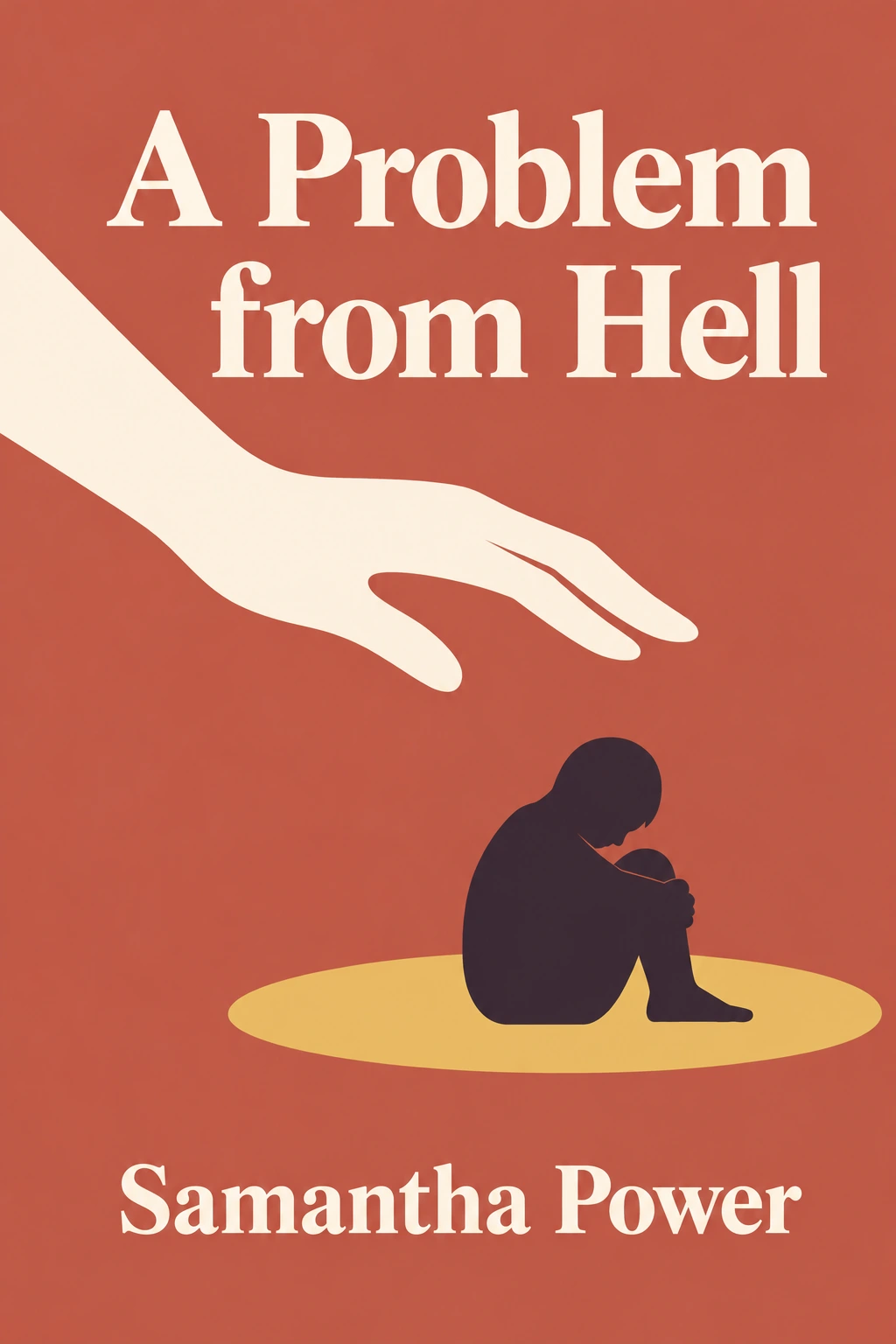
A Deep Dive into Samantha Power's "A Problem from Hell"
Samantha Power's "A Problem from Hell: America and the Age of Genocide" is a monumental and deeply impactful work that scrutinizes the United States' repeated failure to intervene in genocides, despite its power and stated ideals. The book, a Pulitzer Prize winner, systematically details how the promise of "never again" has often devolved into "again and again."
Why This Book Matters
Power's book is essential for its unflinching honesty and meticulous research. It moves beyond hindsight to reconstruct decision-making processes within government, drawing on interviews with policymakers and declassified documents. She argues that the failure to act isn't typically due to a lack of information or moral concern, but rather a complex interplay of political calculations, bureaucratic inertia, competing national interests, and a human tendency to look away from overwhelming horror.
The Core Argument: A Failure of Political Will
At its core, the book is an indictment of American foreign policy's recurring inability to translate values into action when confronted with mass atrocities. Power meticulously examines cases from the Armenian Genocide to the Holocaust, Cambodia, Bosnia, Rwanda, and Darfur. In each instance, she demonstrates how U.S. leaders, despite varying degrees of knowledge, ultimately opted for inaction or insufficient action. She highlights the voices of dissenters and activists, often drowned out by political expediency and fear of repercussions. The phrase "a problem from hell" encapsulates the immense challenge of confronting genocide, a problem that tests human empathy and political will.
Key Historical Cases Explored
Power weaves together these historical events to reveal a pattern of failure: The Armenian Genocide (1915-1923): Despite Ambassador Henry Morgenthau Sr.'s reports of a "campaign of race extermination," U.S. actions were limited to protests and aid, prioritizing relations with the Ottoman Empire over intervention. The Holocaust (1933-1945): Even after entering World War II, the U.S. response was marked by indifference and bureaucratic obstruction. Strict immigration quotas, anti-Semitism, and the war's overriding focus contributed to a failure to rescue Jews, despite the eventual creation of the War Refugee Board. Cambodia (1975-1979): Following the Khmer Rouge's rise to power, the U.S. response was surprisingly muted, hampered by shock, disbelief, and Cold War geopolitical considerations, despite the estimated 1.7-2 million deaths. Bosnia (1992-1995): Images of ethnic cleansing and concentration camps spurred debate, but the U.S. and its allies hesitated to intervene militarily for years. The agonizingly slow process of diplomacy and the eventual NATO intervention, tragically after the Srebrenica massacre, highlight the cost of delayed action. Rwanda (1994): The rapid and brutal slaughter of an estimated 800,000 Tutsis and moderate Hutus saw the U.S. government, under President Clinton, actively resist the term "genocide" and refuse significant intervention, fearing another "Somalia-like" situation. Darfur (2003-Present): While the U.S. condemned the violence and imposed sanctions, the response was criticized as too little, too late. Diplomatic pressure, aid, and sanctions failed to halt the ongoing conflict and its devastating human cost.
The Mechanisms of Inaction: Why Do We Look Away?
Power identifies several recurring reasons for inaction: 1. Information Overload and Ambiguity: In chaotic situations, incomplete or manipulated information can lead decision-makers to downplay threats. 2. Bureaucratic Inertia: Interagency disagreements, procedural hurdles, and competing priorities within government agencies create delays. 3. Fear of "Getting Bogged Down": The political repercussions of failed interventions, particularly the "body bag" factor, lead to extreme caution. 4. Competing National Interests: Genocide may not always be perceived as directly threatening core economic, strategic, or political interests. 5. "It's Not Our Problem" Mentality: A tendency to view genocide as an internal affair of sovereign nations, or too complex for outside intervention. 6. The "Banality of Evil": Individuals can become desensitized to atrocities, minimizing their horror through abstract discussion or by acting within a system without critical moral reflection. 7. Media and Public Awareness: Inconsistent or insufficient media coverage can lead to a lack of public outrage and pressure on politicians.
The Voices Within the Hell
The book amplifies the voices of those involved: Policymakers: Their accounts reveal agonizing choices, political pressures, and justifications for their decisions. Dissenters: Individuals within government who sounded alarms, often fighting against bureaucratic tides with deep moral conviction. Victims: Through their testimonies and diaries, Power ensures the human cost of genocide is viscerally felt, transforming statistics into individual tragedies.