
Summary preview
How to Make Your Life Bright and Happy: The Path to Faith and Optimism
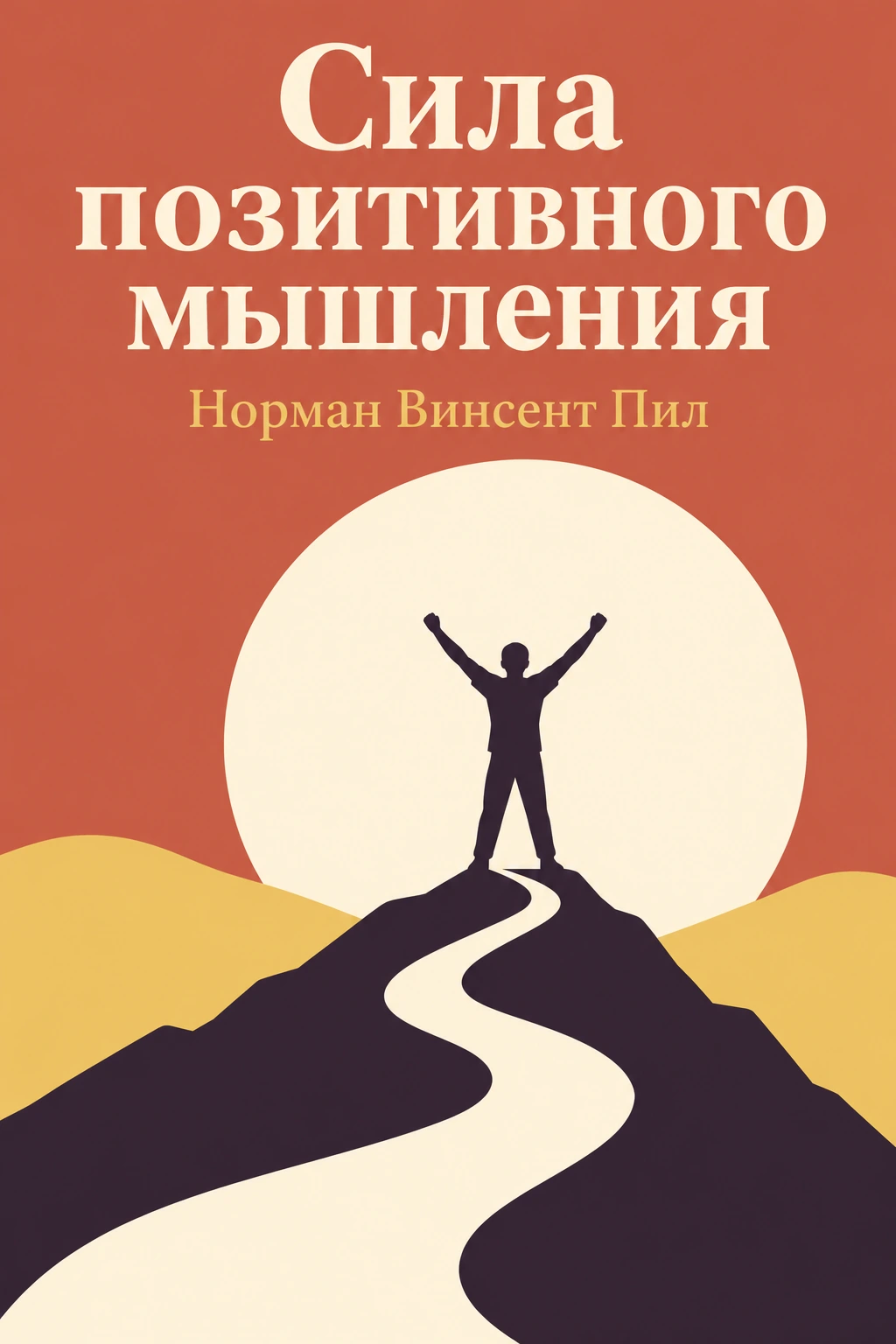
Hey there! You know, I was recently re-reading this old but incredibly awesome book by Norman Vincent Peale, and honestly, it's still so relevant. Like, really relevant. The author, by the way, is one of the most popular in the world, and his approach to life truly changes everything. The book is titled something along the lines of: "How to Make Your Life Bright and Happy." The main idea Peale hammers home from the very first pages is that we are the architects of our own happiness. And the key to this happiness lies in faith and optimism. It might sound a bit cliché, but let's dive into how this actually works in practice.
Introduction: Why This Book Is Your New Best Friend?
Imagine having a secret recipe for staying positive, handling any problem, and just generally living a life that feels amazing every single day. Well, this book is exactly that recipe, tested and proven by millions of people. Norman Peale isn't just a theorist; he's been through a lot himself and realized that the most crucial element is how we think. His famous formula of faith and optimism isn't some kind of magic trick, but rather practical tools that anyone can learn. The book's sole aim is to help you make your life not just 'okay,' but truly worthwhile, vibrant, and happy. Think of it as your personal positivity coach, always there for you.
Main Theses: The Foundations of a Happy Life According to Peale
Let's break down what makes Peale's approach so special: Faith as Life's Fuel. Peale suggests that faith isn't just about religion (though it can be about that too), but about a deep trust in yourself, in the world, and in the future. When you believe that everything will turn out well, you start acting differently. You become braver, more decisive, and even difficulties seem less insurmountable. It’s like having an inner core that prevents you from collapsing. It's about believing in a positive outcome, which then fuels your actions and resilience. Optimism Is a Choice. Positive thinking isn't an innate talent; it's a skill that can and should be developed. Instead of dwelling on problems, Peale urges us to find the good even in the most challenging situations. This doesn't mean ignoring reality, but rather choosing where to focus your attention. Focusing on the positive attracts positive events. It’s about actively seeking out the silver lining, not passively waiting for it. The Power of Prayer and Positive Affirmations. The author emphasizes that both prayer and internal self-talk filled with positive affirmations can work wonders. These are ways to tune your mind to the right frequency, to shed doubts and fears. It's a method for aligning your inner state with your desired outcomes. Overcoming Fear and Anxiety. Fear is one of happiness's biggest enemies. Peale offers concrete methods to combat it: through prayer, through faith, and through taking action that helps regain control over a situation. It's about confronting fear head-on with a belief in your strength and support. Practical Application of Faith in Daily Life. The book is packed with examples from the lives of ordinary people who, thanks to faith and optimism, managed to change their destinies. These aren't fairy tales, but real stories that inspire and show that anything is possible. They serve as proof that the principles work across different lives and circumstances.
Faith as the Foundation
Peale talks extensively about how faith is not just blind hope for a miracle. It's an active mental state where you are convinced of the possibility of a positive outcome. This conviction gives you the strength to act, to not give up at the first sign of failure. When you have faith, you stop wasting energy on doubts and fears and redirect it towards achieving your goals. Imagine building a house. Faith is the solid foundation without which the entire structure would collapse. Even if a storm rages outside (life's difficulties), your inner 'house' will stand firm. This internal conviction acts as a buffer against external chaos.
Optimism: Not Just 'Being Positive'
Optimism, according to Peale, isn't about naively denying problems. It's more about the ability to see the light at the end of the tunnel, even if that tunnel is very long and dark. It means that even when things go wrong, you look for the lesson, the opportunity for growth. Instead of saying 'it's all over,' you ask yourself, 'What can I do right now?' This shift in thinking fundamentally changes your reaction to events. You become proactive, not reactive. It’s like getting lost in a forest. An optimist won't just sit and cry; they'll start looking for signs of civilization, paths, or use the sun for direction. This proactive stance is key.
The Power of Words: Prayer and Affirmations
Peale places great importance on how words influence our reality. For him, prayer is not just a request but a way to communicate with a higher power, a method to find peace and confidence. It’s like recharging your inner battery. Positive affirmations, on the other hand, are a way to consciously shape your thinking. When you regularly tell yourself that you are capable, that you are worthy, that you will succeed, your brain starts to believe it. Over time, these affirmations become part of your personality, and you begin to act accordingly. For example, if you constantly tell yourself 'I'm a failure,' you'll subconsciously look for confirmation of this. But if you start saying 'I am learning and improving every day,' you'll notice your successes and move forward. This self-talk actively rewires your perception and behavior.