
Summary preview
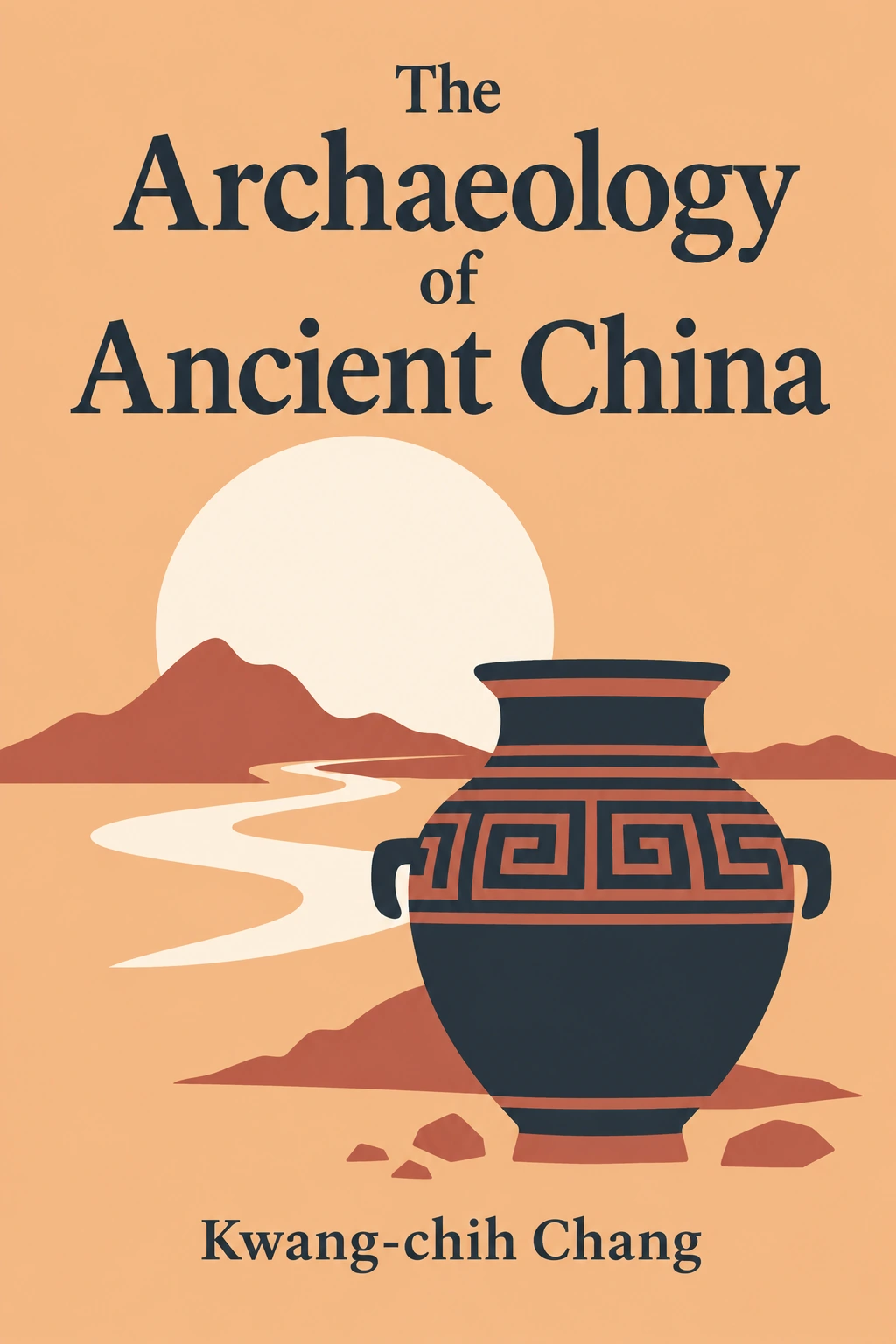
The Archaeology of Ancient China: A Journey Through Time with Kwang-chih Chang (Compressed Summary) Kwang-chih Chang's 'The Archaeology of Ancient China' is a seminal work that reconstructs the development of Chinese civilization from its earliest human settlements to the imperial dynasties, using archaeological findings as primary evidence. It emphasizes a multi-layered, complex, and regionally diverse evolution rather than a singular, monolithic origin. The immense timescale ('longue durée') of human presence and cultural development. The significant role of regional diversity and interaction among different cultures. The shaping influence of major river systems (Yellow River, Yangtze River) on civilization. The transition from small, egalitarian farming communities to complex, hierarchical states. The interplay of continuity and significant periods of change and innovation. c. 10,000 BCE – 2000 BCE Marked by the emergence of distinct cultural patterns and settled agriculture. Yangshao Culture c. 5000-3000 BCE Yellow River valley, settled farming, distinctive painted pottery, early social differentiation. Longshan Culture c. 3000-2000 BCE Larger settlements with defensive walls (early cities), organized labor, sophisticated thin-walled black pottery, clear signs of social stratification, precursor to states. Other Neolithic Cultures Dawenkou (Shandong) Hemudu (Yangtze River, known for rice cultivation and timber architecture) c. 2000 BCE – 771 BCE The period of early dynasties, characterized by bronze casting and developing state structures. Erlitou Culture c. 1900-1500 BCE Argued by Chang to be the capital of the Xia Dynasty; a major urban center with palace complexes, workshops, and earliest Chinese bronze ritual vessels. Demonstrates significant organization for its time. Shang Dynasty c. 1600-1046 BCE First dynasty with solid archaeological and textual evidence. Masters of bronze casting (ritual vessels). Oracle bone script (earliest confirmed Chinese writing) provides insight into beliefs, divination, and politics. Sites like Anyang reveal elaborate tombs, palaces, and workshops. Zhou Dynasty (Western Zhou) 1046-771 BCE Overthrew the Shang, continued bronze traditions, introduced the 'Mandate of Heaven.' Bronze inscriptions record historical events and political agreements. Spring and Autumn, Warring States (771-221 BCE) Period of political fragmentation and warfare, but also intense intellectual development (Confucius, Laozi, Hundred Schools of Thought). Archaeologically, shows advancements in warfare (iron weapons), agriculture, and statecraft. Excavations reveal elaborate tombs, growing urban centers, and spread of technologies and ideas. Qin and Han Dynasties (221 BCE – 220 CE) Qin unified China, standardized systems (weights, measures, writing), and built the Terracotta Army. Han Dynasty built upon this, establishing enduring institutions, expanding the empire, and fostering trade (Silk Road). Archaeological evidence (Han tombs)