
Summary preview
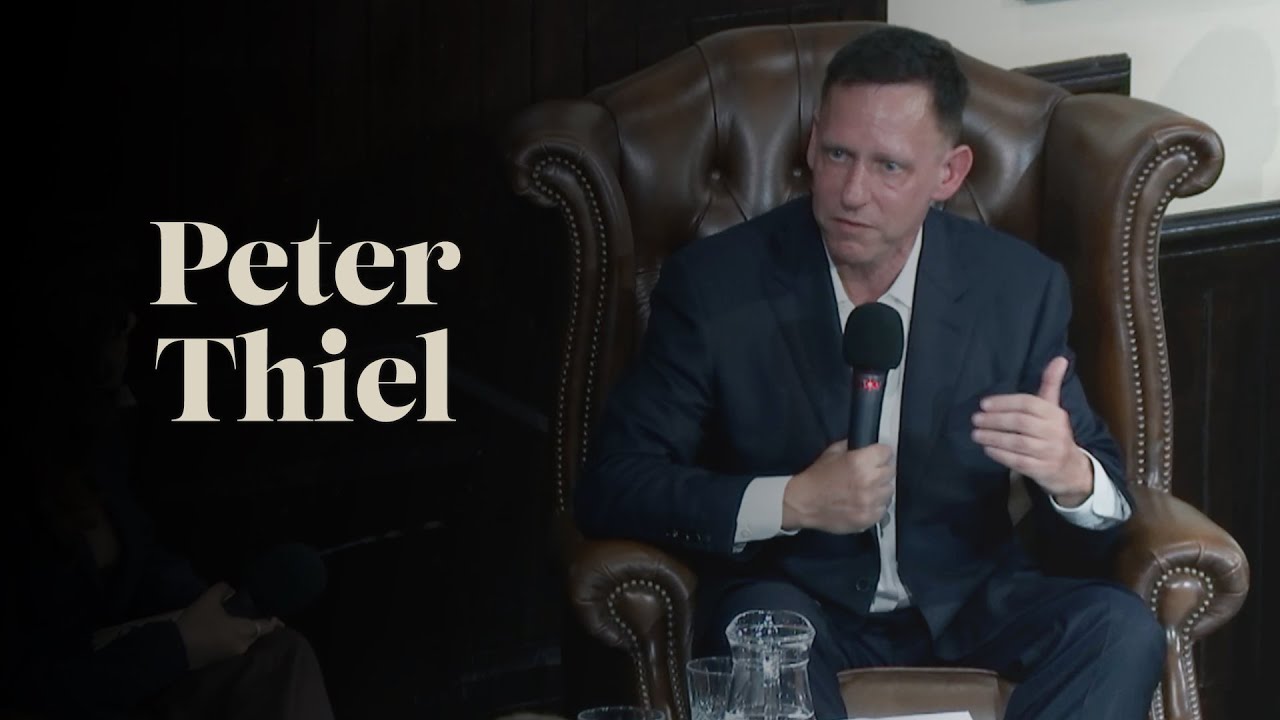
Peter Thiel at the Cambridge Union: A Discourse on Societal Stagnation and Intellectual Dogma
Peter Thiel's address at the Cambridge Union critically examines contemporary Western society, focusing on perceived intellectual and cultural stagnation in academia and broader discourse. He critiques identity politics, the integrity of scientific progress, and underlying philosophical currents, arguing that many current debates are a 'magic show' diverting attention from fundamental issues like economic inequality, innovation, and the definition of progress. The 'Diversity Myth' as a Distraction Thiel argues that diversity, especially in academia, has become a superficial ideal focused on demographic representation rather than intellectual diversity or substantive equality. This 'myth' obscures deeper systemic issues by promoting performative inclusivity. The Pervasive Influence of Dogmatism in Academia and Science Universities and scientific establishments have become dogmatic, enforcing rigid orthodoxies and discouraging skepticism. This stifles genuine intellectual exploration and maintains established power structures, with sciences potentially being as corrupt as humanities. Economic Stagnation and the Primacy of Real Estate Significant economic stagnation since the 1970s is attributed to a failure in genuine innovation. Wealth accumulation is increasingly driven by distortions in land and property markets (a 'housing lottery') rather than technological advancements, exacerbating inequality. Questioning the Narrative of Unfettered Technological Progress Thiel questions the assumption of continuous, accelerating technological advancement, suggesting progress outside information technology may be slowing. The narrowing definition of 'technology' indicates a potential crisis in scientific and engineering fields. The Entanglement of Modern Movements with Religious Undertones Contemporary social and political movements, like 'wokeness,' have quasi-religious characteristics, mirroring Christian narratives of victimhood and redemption but lacking forgiveness, leading to a more punitive framework. The 'Diversity Myth' and the Politics of Intolerance Thiel recounts the shift at Stanford from Western Cultures curriculum to identity-focused alternatives, exemplified by the replacement of 'The Tempest.' He views 'The Diversity Myth' as intentionally ambiguous, a 'shibboleth' or 'idol' used to divert attention from pressing issues. The debates are a 'magic show'. The Corruption and Dogmatism within Science and Academia He contrasts early modern scientists with contemporary graduate students ('indentured servants'). Scientific establishments suppress skepticism towards certain ideas but lack pressure to challenge dogma. Plagiarism and fraud cases (Gay, Tessier-Lavigne) suggest systemic rot, making sciences as corrupt as humanities. Economic Stagnation and the Real Estate Problem Economic gains since the 1970s are increasingly from rent-seeking, especially in real estate. Property appreciation, fueled by population growth and limited construction,