
Summary preview
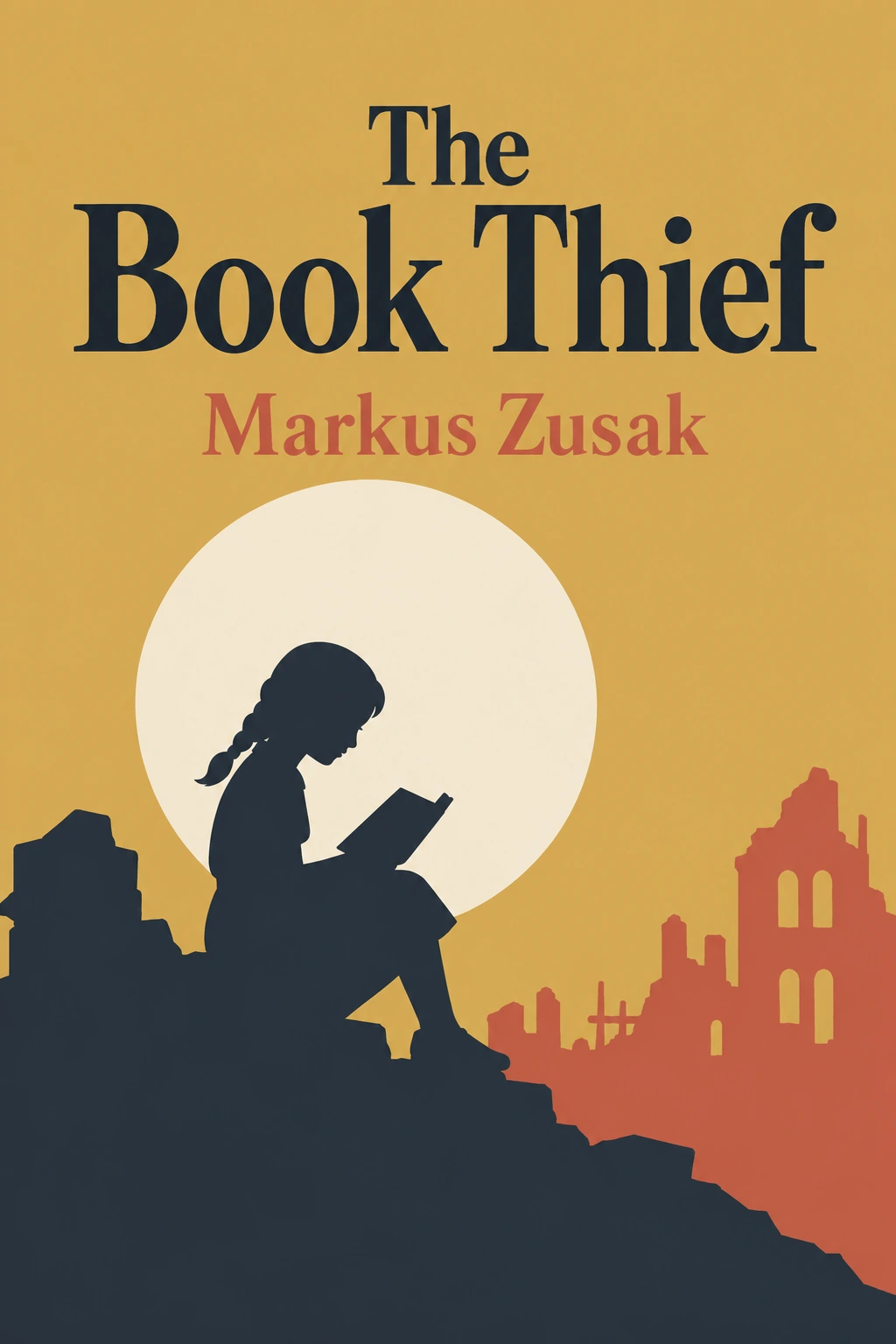
The Book Thief: A Deep Dive into Words, War, and the Human Heart Section 1: Introduction - Welcome to Himmel Street Markus Zusak's 'The Book Thief' is a profoundly moving novel set in Nazi Germany, narrated by Death himself. It tells the story of Liesel Meminger, a young girl who finds solace and defiance through stolen books amidst the horrors of war. The narrative begins with Liesel's brother's death on a train, leading her to her foster parents, Hans and Rosa Hubermann, on Himmel Street. Hans is a gentle painter, and Rosa, though outwardly harsh, is deeply loving. Death, a weary observer, is drawn to Liesel's story, captivated by her resilience and her burgeoning relationship with words. The first stolen book, 'The Gravedigger's Handbook,' symbolizes loss and the beginning of Liesel's journey as a 'book thief.' The setting is Molching, Germany, in 1939, a time of escalating fear and persecution, yet Himmel Street becomes a pocket of humanity. The story begins with loss and a stolen book, introducing us to Liesel, her new life on Himmel Street, and the unique narration of Death amidst the backdrop of Nazi Germany. Section 2: Main Theses - The Core Arguments of the Story The Immense Power of Words – For Good and Evil. Words are central, used by Hitler for hatred and control, but also by Liesel for comfort, defiance, and connection. Her literacy and writing become her voice and escape. The Coexistence of Kindness and Cruelty in Humanity. The novel starkly contrasts the horrific cruelty of Nazi Germany with acts of extraordinary kindness, such as Hans Hubermann's help to a Jewish prisoner. It highlights that good and evil often coexist within communities and individuals. The Significance of Small Acts in the Face of Overwhelming Events. Amidst the massive forces of WWII, the story emphasizes the monumental impact of personal, small acts of humanity and resistance, which give life meaning and preserve dignity. The Inevitability and Acceptance of Death, and the Value of Life. Narrated by Death, the book grapples with mortality, highlighting the preciousness of life and the importance of living it fully, loving, and leaving a mark, however small. The story argues that words possess immense power, human nature is complex with both good and evil coexisting, small acts of kindness are vital, and life's value is amplified by the inevitability of death. Section 3: Key Ideas - Unpacking the Narrative's Core Concepts The Narrator – Death's Unique Perspective Death, a weary observer, offers a unique, empathetic, and often poetic view of human life and mortality. His fascination with colors and foreshadowing adds depth. The Power and Danger of Books Books are central to Liesel's survival and identity, representing knowledge, escape, and rebellion. However, the novel also shows the destructive potential of words, as seen in Hitler's propaganda. Himmel Street – A Microcosm of Society This working-class street serves as a stage for the diverse human behaviors