
Summary preview
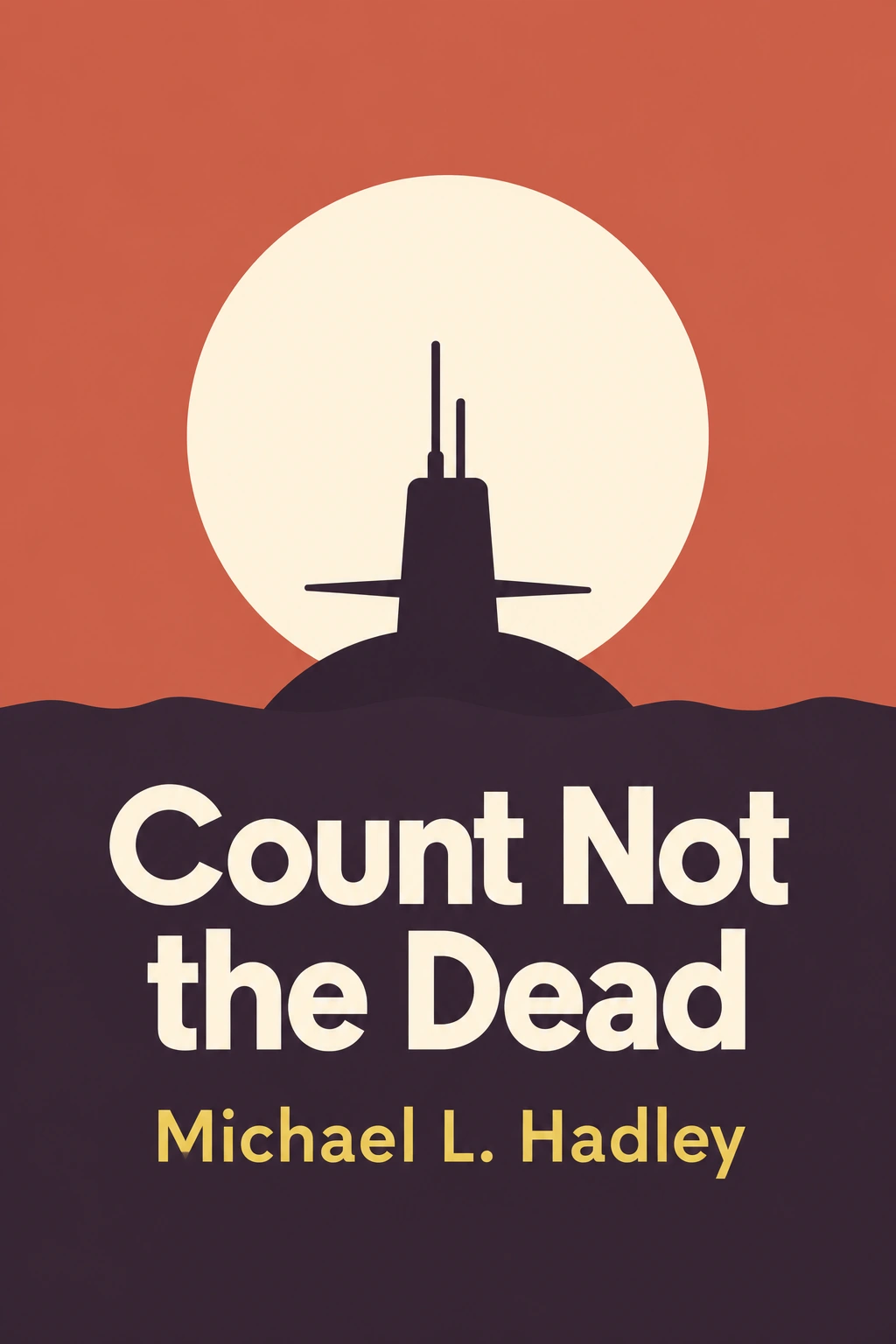
Count Not the Dead: Unpacking the U-Boat Mythos
Beyond the Torpedoes Michael L. Hadley's "Count Not the Dead" delves into the cultural perception of World War II U-boats and their crews, moving beyond traditional historical accounts to explore the narratives constructed through literature and film. The book examines how these storytelling mediums have shaped a powerful, often mythical, image of U-boat warfare, focusing on the creation and impact of these legends rather than solely on historical battles and statistics. Hadley's approach dissects the image of the U-boat and its crew as crafted by storytellers, investigating the cultural significance and the narratives that have influenced our understanding. The Power of Narrative Thesis 1: Literature and Film Create the U-Boat Legend. Hadley's primary argument is that the widely held perceptions of U-boats are significantly shaped by literary and cinematic portrayals, not just historical records. These narratives, whether aiming for realism or dramatic effect, have constructed a potent and frequently romanticized image. Iconic scenes in films, such as tense silences or a captain's difficult decisions, are presented as constructed narratives designed for audience engagement, rather than purely objective historical accounts. These stories actively build the U-boat legend. Thesis 2: The "Intrepid Crew" Archetype. A key focus is the depiction of U-boat personnel as a distinct group, often portrayed as exceptionally daring, stoic, and resilient in the face of extreme danger. Hadley suggests this "intrepid crew" archetype, while potentially containing elements of truth for some individuals, functions as a dominant narrative trope. It simplifies complex human experiences into a recognizable, often heroic, character type, prompting an examination of whether this archetype reflects reality or serves a storytelling purpose. Thesis 3: The Ambiguity of "Enemy" Imagery. The book addresses how narratives, even those highlighting the bravery of U-boat sailors, can inadvertently humanize the 'enemy' of wartime propaganda. By emphasizing shared human experiences like danger, fear, and loyalty, these stories can foster empathy, blurring the stark distinctions typically present in wartime discourse. This humanization is not an excuse for actions but an exploration of how compelling narratives can evoke complex emotional responses, even towards opposing forces. Thesis 4: The Medium Matters. Hadley implicitly underscores the influence of different media on narrative construction and reception. Novels offer the capacity for in-depth exploration of characters' internal states, a depth that films may struggle to achieve. Conversely, films leverage visual power to create unforgettable, visceral images of U-boat warfare. The analysis considers how the specific medium employed impacts the message's reception and the myths it generates. These theses are interwoven throughout Hadley's analysis of various books and films, demonstrating how cultural products not only reflect