
Summary preview
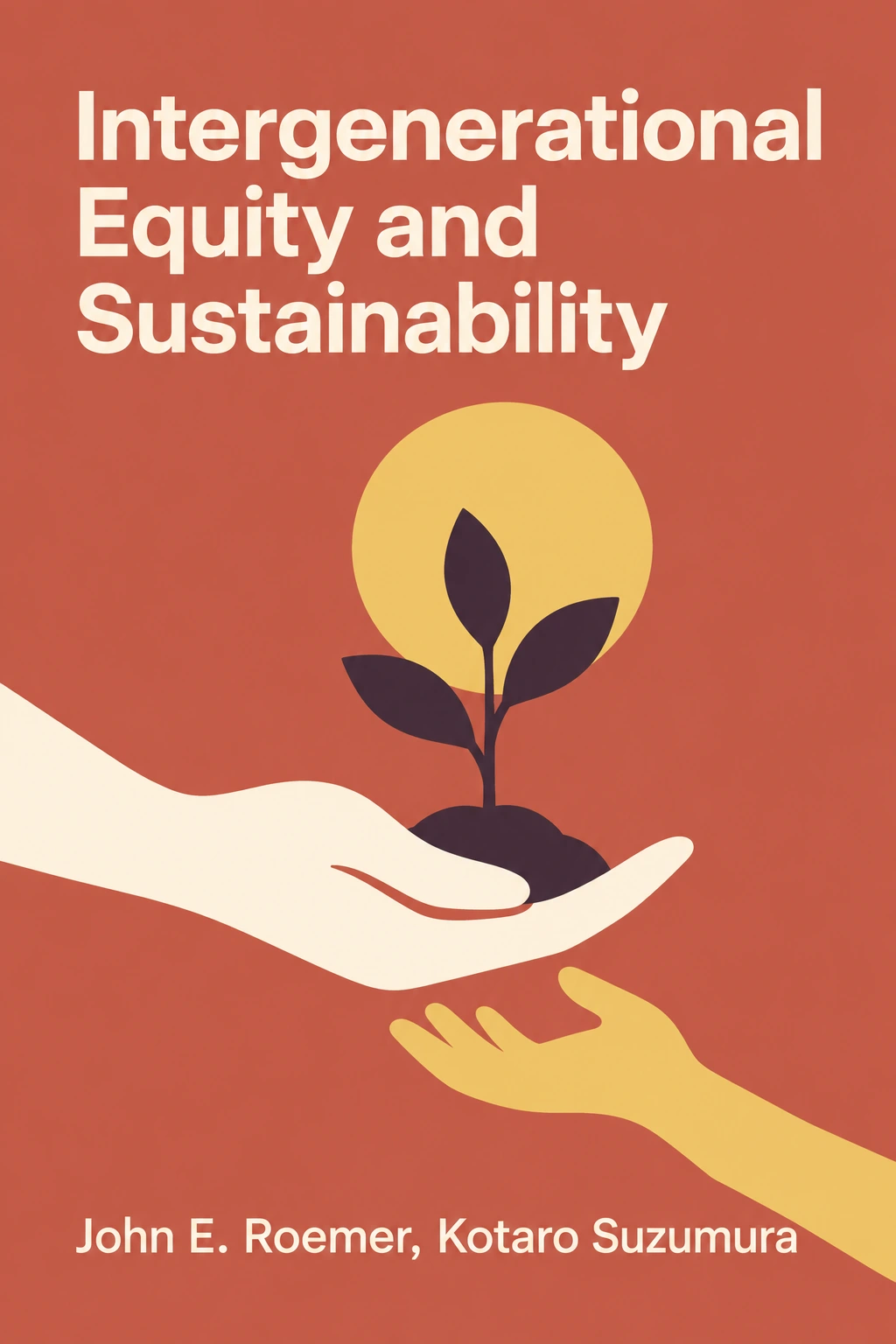
Intergenerational Equity and Sustainability: A Deep Dive into Our Future Responsibilities This summary delves into John E. Roemer and Kotaro Suzumura's book, "Intergenerational Equity and Sustainability," exploring the ethical, economic, and practical implications of our responsibility to future generations. The book argues for a proactive approach to ensure fairness and opportunity for those not yet born, moving beyond short-term self-interest to a broader, altruistic perspective. Our daily decisions regarding energy, consumption, policy, and environmental protection have ripple effects far into the future. The book emphasizes that issues like national debt, climate change, and resource management directly impact future generations, urging a shift from a short-term view to one that recognizes our role as stewards of the planet. Roemer and Suzumura provide the intellectual tools to understand what 'fairness' to the future entails, including concepts like discount rates and models of justice. The Ethical Imperative At its core, intergenerational equity is a moral issue. The book argues that it is unethical to diminish the well-being of future generations through our current consumption, pollution, or debt accumulation. We have a moral obligation to ensure they have the capacity for lives at least as good as ours. Economic Sustainability This pillar focuses on building economic systems that can endure. Current models often prioritize short-term growth, leading to depletion of natural and human capital. The book advocates for investments in areas with long-term benefits, such as education, research, and sustainable infrastructure. Defining 'Fairness' Across Time The book tackles the complex question of what fairness means for individuals living centuries from now. It explores philosophical frameworks for intergenerational justice, including equal opportunity, basic needs, and the preservation of options, considering how to compare future needs and values to our own. The Role of Institutions and Policy Achieving intergenerational equity requires robust institutions and well-designed policies. This includes international agreements on climate change, national resource management policies, and corporate governance that considers long-term impacts. Bridging the Knowledge Gap Acknowledging the uncertainty of the future, the book discusses strategies for making robust and adaptable decisions. This involves preserving a wide range of options for the future rather than making irreversible choices based on incomplete information. The Discounting Dilemma The book challenges the standard economic practice of heavily discounting future benefits. High discount rates can justify short-term actions with long-term negative consequences, like pollution. Roemer and Suzumura advocate for lower, or even zero, discount rates when considering the well-being of future generations, emphasizing that their well-being should matter as much as our own. Sustainability vs.