
Summary preview
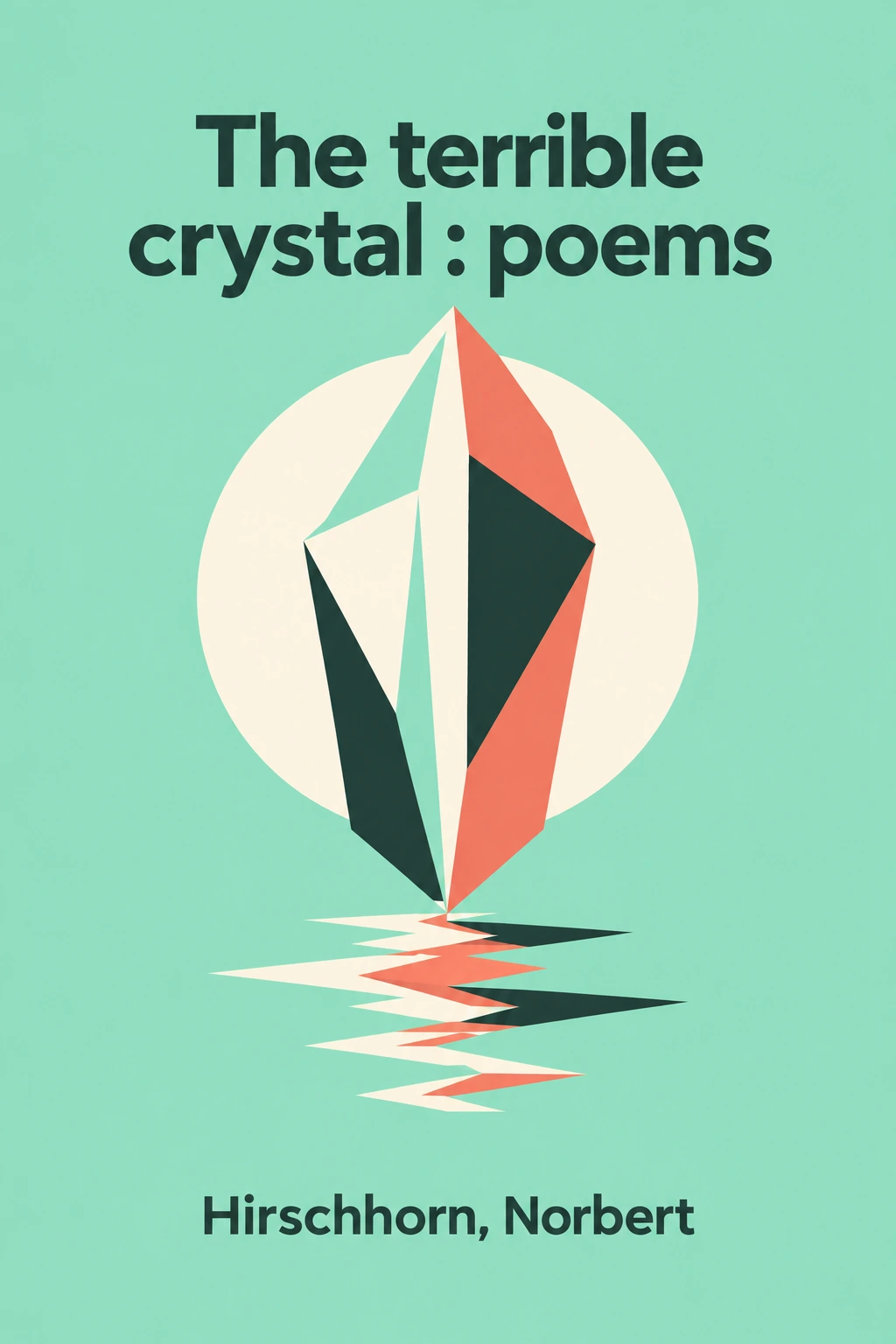
Unpacking 'The Terrible Crystal: Poems' by Norbert Hirschhorn This analysis explores Norbert Hirschhorn's poetry collection, 'The Terrible Crystal: Poems,' based solely on its title and minimal publisher description ('32 pages; 21 cm'). Lacking specific text, the approach is an exploration of what such a collection might represent, using the title and the nature of poetry as guides. The book's brevity (32 pages) suggests an intimate, portable, and re-readable experience, designed for concentrated impact. Poetry is characterized by compression and evocation, using language to create resonant images, feelings, and ideas. A title like 'The Terrible Crystal' suggests a poet exploring complexities, ambiguities, and the difficult beauty of existence, rather than offering simple answers. The Duality of Perception: Things are not always as they seem; beauty can hide danger, and difficult truths can possess clarity. Fragile Beauty and Inherent Danger: Precious aspects of life (relationships, happiness) are beautiful but easily destroyed, leading to pain. The Nature of Truth: Truth can be sharp, clear, and devastating – a 'terrible' but necessary confrontation. Inner Worlds and External Realities: Poetry bridges the internal and external, with the 'terrible crystal' acting as a lens or a representation of the poet's inner state. Concise Language: Every word is deliberate due to the limited page count. Striking Imagery: The 'crystal' suggests vivid visual and tactile imagery. Emotional Resonance: Even 'terrible' subjects can be explored with empathy, leading to catharsis. Ambiguity and Open Interpretation: The poems likely invite readers to bring their own experiences and interpretations. The Unsettling Nature of Clarity Absolute clarity can reveal harsh realities, stripping away comforting illusions. This can manifest in poems about self-realization (seeing oneself with uncomfortable directness), relationship truths (unspoken resentments), or societal illumination (exposing injustices). The Beauty and Danger of the Intimate Intimate connections are beautiful but carry potential for pain. This duality can be explored in poems about love (intensity leading to devastating heartbreak), vulnerability (the risk of opening oneself up), or memory (comforting yet sharp-edged relics). The Fragility of Existence The crystal's fragility symbolizes the transient nature of life, beauty, and happiness. This can translate into poems about the fleeting nature of beauty, the precarity of peace, or the loss of innocence when confronted with harsh realities. The Glimmer of Hope Within Darkness Even in 'terrible' things, there can be beauty or truth, and vice versa. The collection might find beauty in resilience, acknowledge imperfection as part of beauty, or celebrate strength found in overcoming adversity. The title 'The Terrible Crystal' is a concept, a philosophical stance, and a mood. 'Terrible' implies awe-inspiring, morally reprehensible, socially unjust, or