
Summary preview
Introduction and Overview
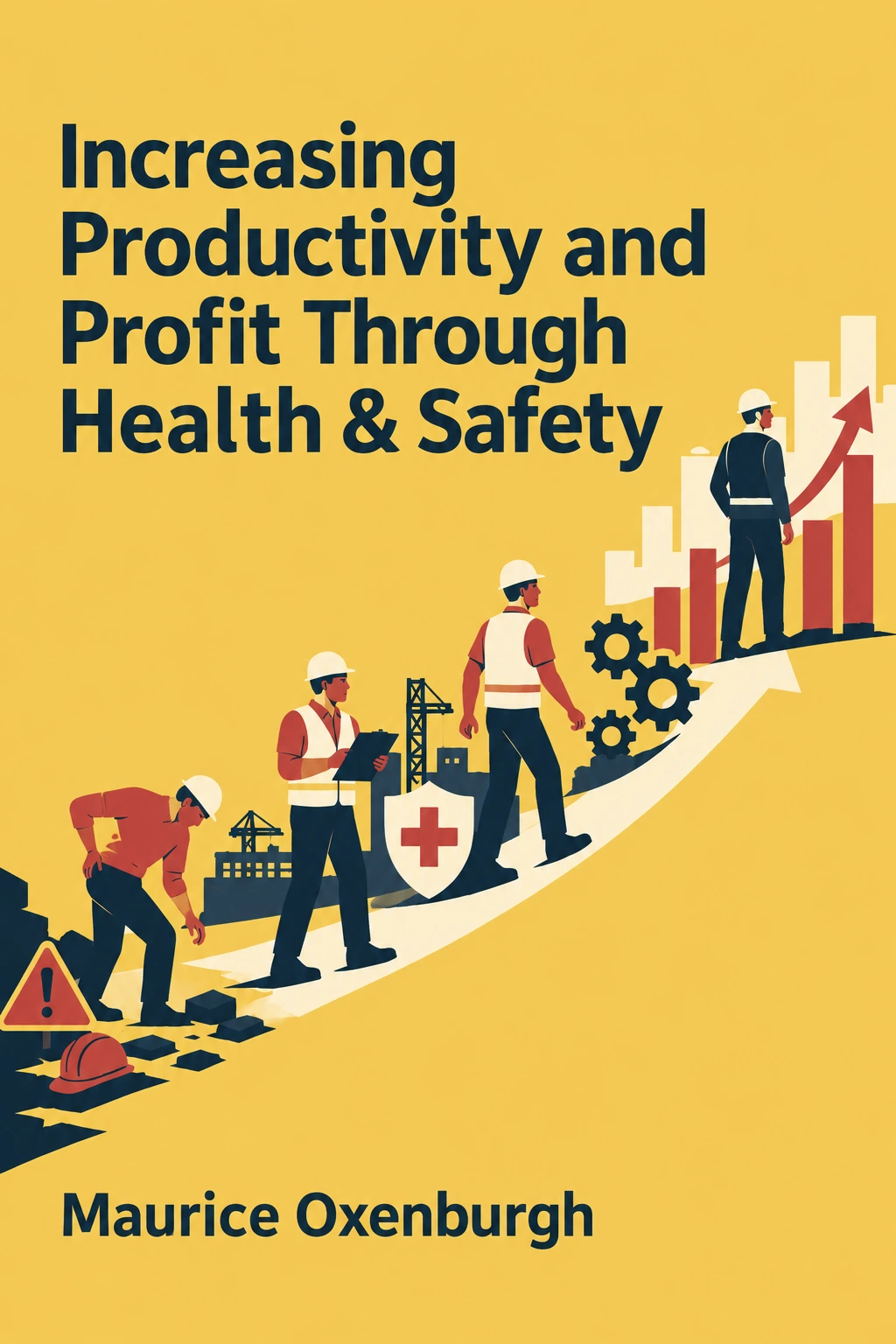
Maurice Oxenburgh argues in "Increasing Productivity and Profit Through Health & Safety" that treating occupational health and safety (OHS) merely as a compliance cost or a regulatory burden is a strategic mistake. Instead, Oxenburgh contends that when managed properly, OHS acts as a driver of productivity and profitability by increasing output, reducing hidden operational losses, and improving work design and functioning. Conventional accounting systems often capture only visible costs—such as workers' compensation claims, medical bills, and direct fines—while missing hidden losses like lost working time, temporary replacement labor, administrative investigations, equipment downtime, and product quality losses. When aggregated, these hidden losses create a significant drag on the bottom line, meaning proactive OHS interventions can pay
Health and Safety as a Strategic Investment
Oxenburgh challenges the assumption that safety spending reduces profit. When budgets tighten, safety departments are often targeted because they generate no direct revenue. However, Oxenburgh points out that safety interventions lower accident rates, reduce employee absence, boost morale, and stabilize the workforce. Workers who feel physically secure are more engaged and less distracted by hazards. Furthermore, preventing accidents protects production schedules from disruptive halts where coworkers stop and supervisors redirect attention. Oxenburgh likens OHS to preventive maintenance on an engine, shifting safety from a defensive posture to an offensive strategy supporting efficiency and morale.
Uncovering the Hidden Costs of Poor OHS
Oxenburgh details the economic impact of poor safety management. Visible costs are only the tip of the iceberg, and hidden indirect costs frequently dwarf direct expenses when a worker is injured: 1. Lost Working Time: The injured worker and assisting colleagues stop working, and supervisors spend hours managing the crisis and securing the area. 2. Temporary Replacement Labor: Temporary staff or overtime may be required, often resulting in lower output and higher error rates due to unfamiliarity with processes. 3. Training and Orientation Costs: Replacement workers require time to train, pulling experienced staff away from primary