
Summary preview
Spiritual Intelligence: Your Compass in a Chaotic World
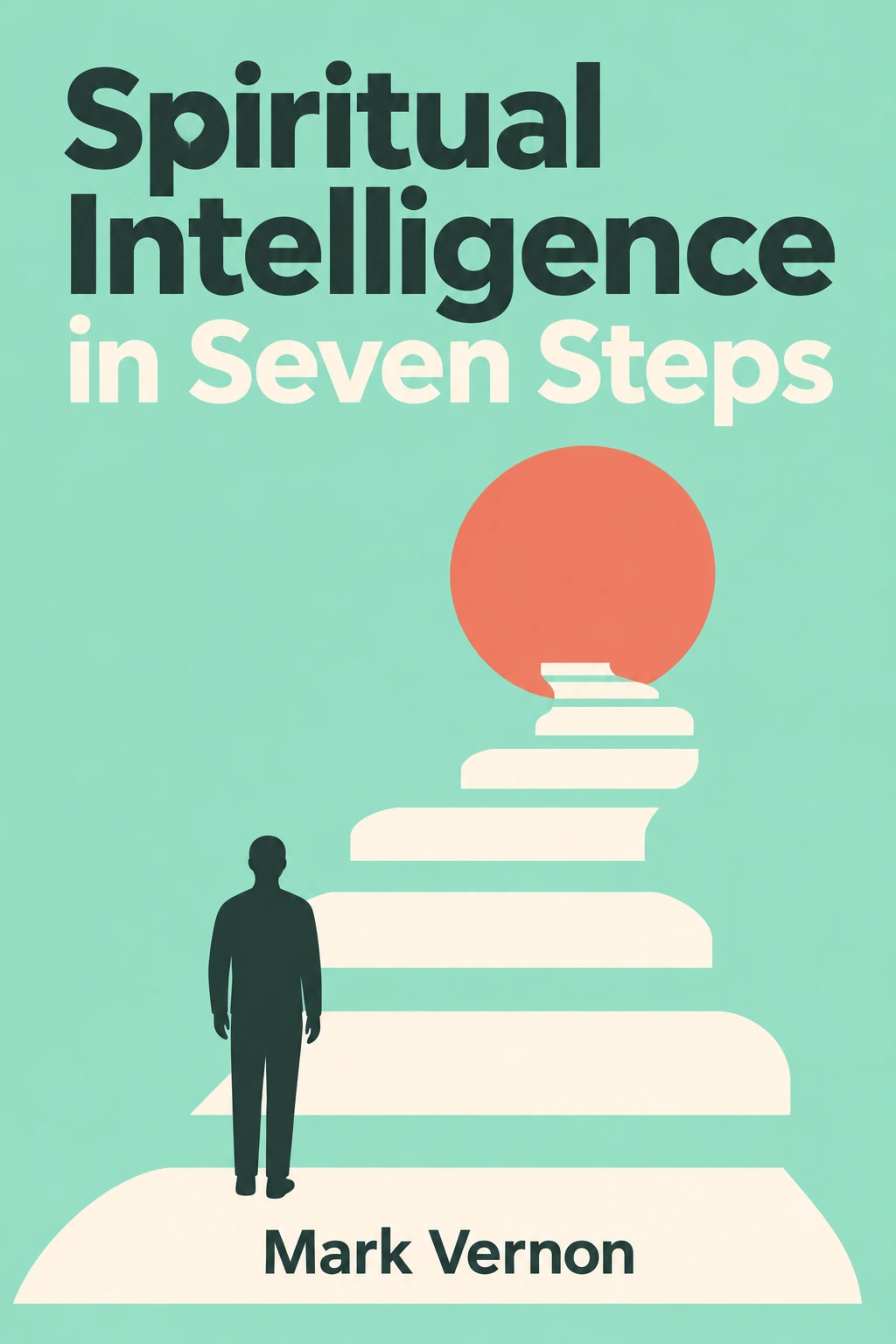
This summary explores the concept of spiritual intelligence (SQ) as presented by Mark Vernon, emphasizing its importance in a chaotic modern world. SQ is described not as a religious concept, but as a fundamental aspect of consciousness – the awareness of awareness itself – providing peace, purpose, and solidarity. Vernon argues that modern life has sidelined SQ, leading to a crisis of meaning, and his work offers a practical path to reclaim it. The Crisis of Meaning and the Need for Deeper Intelligence The current era is characterized by an 'age of emergency' and a 'collapse of meaning,' driven by information overload and superficiality. Spiritual intelligence is crucial for navigating this by providing a connection to a fundamental aspect of human consciousness, recognized across cultures as the 'awareness of awareness.' This intelligence is the source of deep inner peace (even in the face of mortality), a clear sense of purpose, and genuine solidarity with others. Modern society, focused on material and rational pursuits, has neglected SQ, leaving us vulnerable. Vernon's work aims to revive this intelligence, offering an antidote to shallowness and a complement to emotional intelligence. The Nature of Spiritual Intelligence: Beyond the Obvious Spiritual intelligence is defined as the 'awareness of awareness' – the ability to observe one's own thoughts and feelings. It's a connection to the fundamental fact of existence ('I am') that provides groundedness. This perception is universal and forms the foundation for our deepest values and sense of purpose. It fosters resilience, peace, purpose, and solidarity. Unlike easily measurable intelligences, SQ is subtle and internal, often dismissed. It's the genuine source of wisdom and understanding, distinct from artificial intelligence. The Seven Steps: A Practical Path Vernon's 'Seven Steps' provide a practical roadmap for cultivating spiritual intelligence. The steps aim to help individuals identify SQ within themselves, understand its importance, and integrate it into their lives. This involves practices that foster inner awareness, encourage the development of virtues over rigid morality, and help individuals connect their personal stories to larger narratives ('big histories'). The goal is to reclaim and trust this fundamental aspect of humanity, making it a living part of daily life. Key Themes Explored in the Book The book delves into several profound themes: the nature of consciousness (awareness of awareness), the experience of time (moving towards presence), the emergence of our species (contextualizing human existence), and the timeless teachings of spiritual adepts. It champions practical approaches like pilgrimage (journeys of meaning) and improvisation (creative navigation of the unknown). It also distinguishes between virtues (inner character) and morality (external rules), and positions SQ as an antidote to AI and a complement to emotional intelligence, fostering a more integrated