
Summary preview
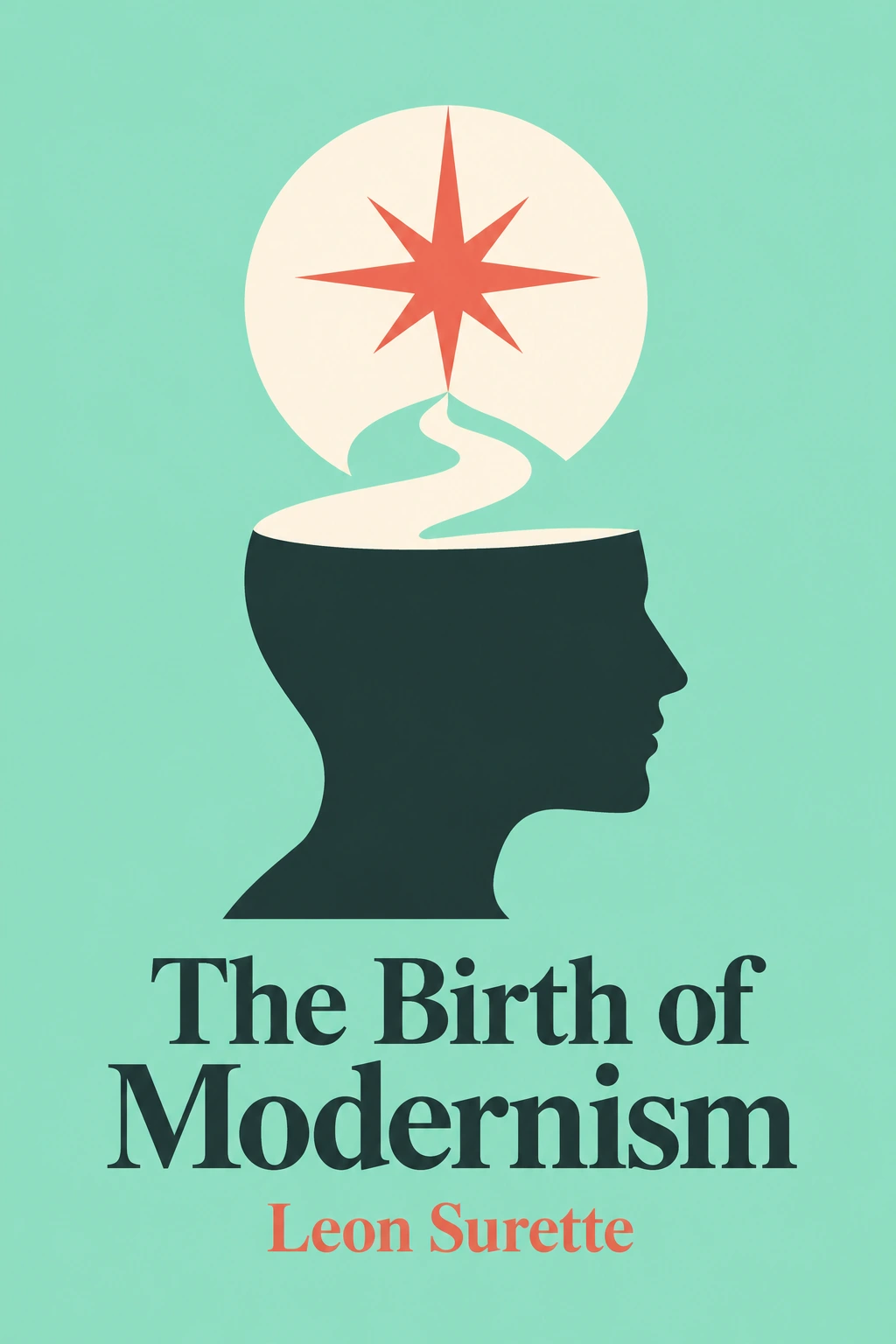
The Birth of Modernism: Unveiling the Occult Undercurrents Leon Surette's 'The Birth of Modernism' challenges conventional understandings of the era by positing the occult (magic, mysticism, spiritualism, secret societies) as a foundational force, not merely a fringe interest, shaping modernist aesthetics and worldviews. He argues that key figures like T.S. Eliot, Ezra Pound, and W.B. Yeats actively engaged with occultism, using it as an intellectual and spiritual toolkit to break from Victorian traditions and forge new artistic expressions. Modernism is typically explained as a response to rapid societal changes: industrialization, urbanization, World War I, and scientific advancements. These factors led artists to experiment with form, fragmented perspectives, and explore inner lives to reflect a chaotic, disillusioning world. Surette argues this narrative is incomplete. While external factors were important, they don't fully explain the specific ways modernists represented reality. He proposes the occult provided a crucial framework, symbols, and philosophical lens to understand and express a complex, mysterious, and non-rational reality that traditional Victorian thought couldn't capture, offering an alternative to a perceived insufficient scientific worldview. The occult fueled modernist creativity through several key mechanisms: A New Cosmology and Metaphysics The occult offered alternatives to Victorian rationalism and materialism. Key concepts included: - Correspondences: The Hermetic principle of 'As above, so below' suggested hidden connections between the universe and the individual, providing a sense of order in chaos. - Spiritual Evolution: Ideas of ascending to higher consciousness or guided destiny offered frameworks for personal and artistic transformation beyond secular or religious notions. - Power of Symbol and Ritual: Occultism valued symbols and rituals for accessing truths, influencing modernist literature's rich symbolism. A Vocabulary for the Unseen The occult provided language for subjective experience, the subconscious, and altered perceptions. Concepts included: - Auras and Psychic Energy: Describing inner states and interpersonal dynamics beyond psychology. - Reincarnation and Karma: Offering alternative understandings of history, destiny, and causality. - Astral Plane and Other Dimensions: Providing conceptual space for dreams, visions, and non-ordinary consciousness. A Break from Tradition The occult, often secretive and non-conformist, symbolized rebellion against Victorian social norms and intellectual authorities. Engaging with it was a way to distance from bourgeois values. Community and Secrecy Secret societies and shared esoteric knowledge fostered a counter-culture and a sense of community among artists who often felt alienated from mainstream society. Surette details the deep engagement of major modernist figures with occultism, showing how it permeated their creative output: W.B. Yeats Deeply involved with