
Summary preview
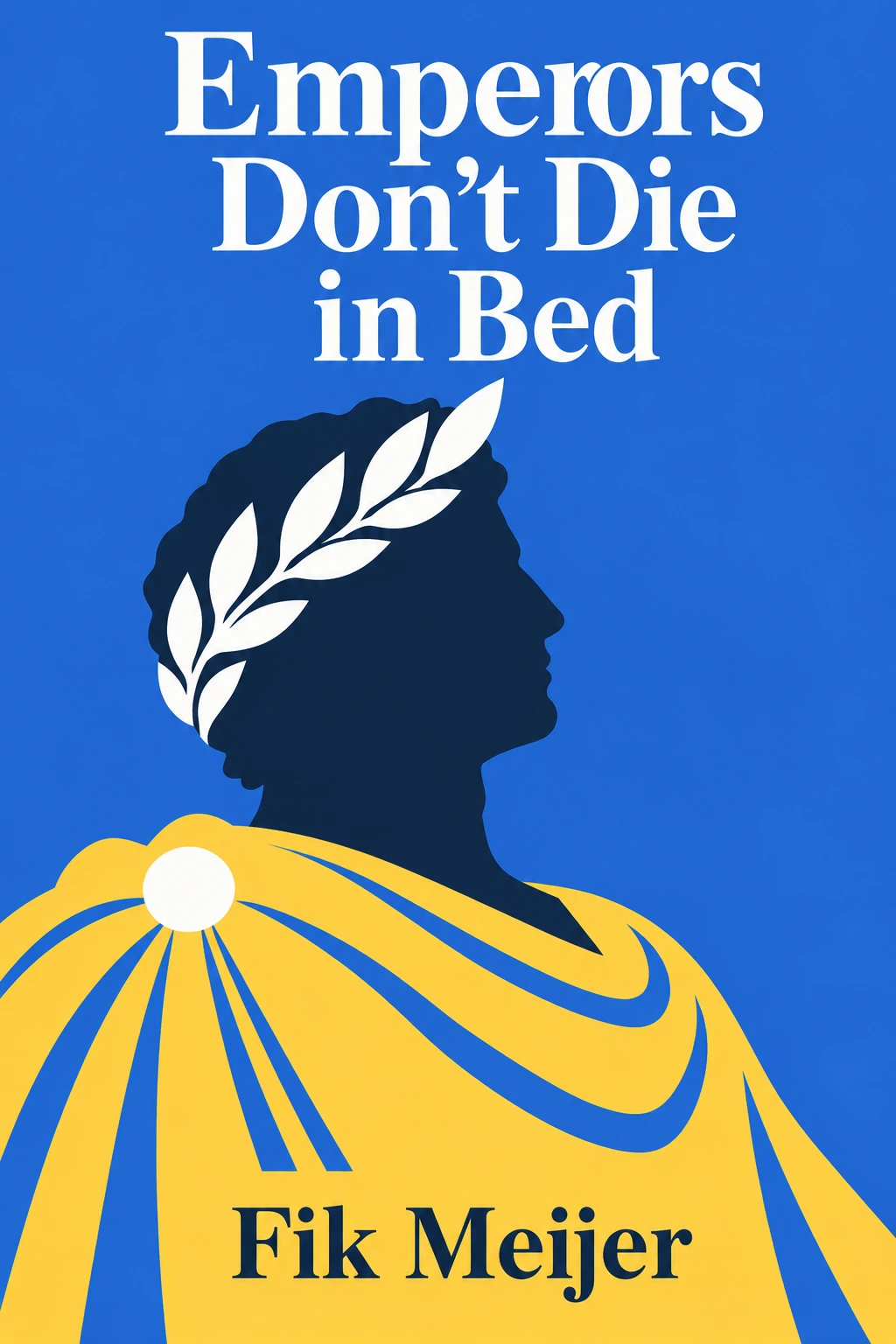
Emperors Don't Die in Bed: A Condensed Look at Roman Rulers' Demises Fik Meijer's 'Emperors Don't Die in Bed' explores the often grim and dramatic ways Roman Emperors met their end, arguing that these deaths reveal crucial insights into their lives, reigns, and the Roman world. The book covers emperors from Julius Caesar to Romulus Augustulus, using their deaths as a starting point to analyze the political, personal, and societal forces at play. An emperor's death is not merely a morbid curiosity but a significant historical event, offering windows into the intense political games, personal dramas, and inherent dangers of imperial power. The complex relationship between power and mortality. Emperors were symbols of the Roman state; their deaths had profound political ramifications, potentially plunging the empire into chaos or ensuring stability. Deaths were often the result of political intrigue, personal vendettas, military coups, or accidents, challenging the notion of unassailable imperial safety. The immense power of emperors made them targets, with constant struggles for control and elimination of rivals. Julius Caesar Pre-Imperial/Transition Assassinated on the Ides of March (44 BC) by senators fearing his dictatorial power. Stabbed 23 times. His death, though intended to save the Republic, plunged Rome into civil war and ultimately led to the establishment of the Principate by his adopted son, Augustus. It set a precedent for violent power transitions. Augustus Principate (First Emperor) Died of natural causes (likely illness) in 14 AD after a long and stable reign of over 40 years. His peaceful death and orderly succession to Tiberius were crucial for establishing the Principate's stability after decades of civil war. It demonstrated the potential for a well-managed imperial system. Tiberius Principate Died in 37 AD. Circumstances are murky, with speculation of natural causes or being smothered by guards due to his paranoia and isolation on Capri. Highlights the psychological toll of absolute power and the dangers of isolation and suspicion that could surround an emperor. Caligula Principate Assassinated in 41 AD by his own Praetorian Guard, senators, and courtiers due to his tyrannical and erratic behavior. Brutally stabbed over 30 times. A stark example of how unchecked power and cruelty lead to a swift and violent downfall. His death was a direct consequence of his reign of terror. Claudius Principate Died in 54 AD. Ancient sources suggest poisoning by his wife Agrippina the Younger, possibly with mushrooms or poisoned feathers, to ensure her son Nero's succession. Illustrates the constant scheming and power plays within the imperial family, showing that even those closest could orchestrate an emperor's demise. Nero Principate Declared a public enemy by the Senate, he committed suicide in 68 AD to avoid capture and a humiliating death. His end was a direct result of his tyrannical rule, perceived extravagance, and alienation of the