
Summary preview
The Astonishing World of Carbon: Graphite, Diamond, and Fullerenes
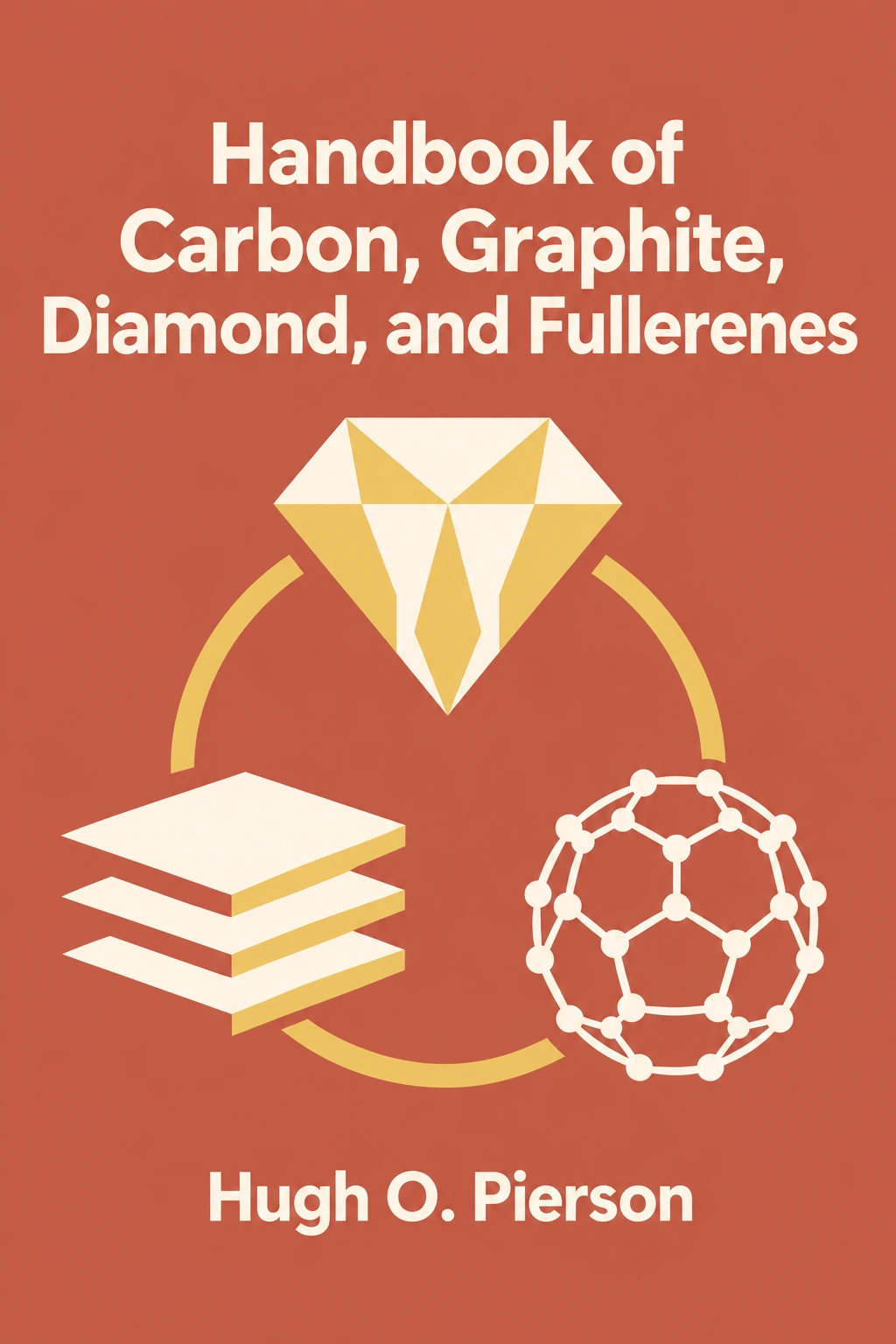
This exploration delves into the multifaceted nature of carbon, an element fundamental to life and technology. It highlights carbon's remarkable ability to exist in diverse forms, known as allotropes, each possessing unique structures, properties, and applications. The review emphasizes a recent surge in carbon science over the past three decades, marked by significant breakthroughs in areas like carbon fibers, synthetic diamond production, and the discovery of fullerenes. This period has revolutionized our understanding and utilization of carbon, bridging traditional industries with cutting-edge technological frontiers. The core message is that carbon, far from being a simple element, is a cornerstone of innovation, offering a vast spectrum of possibilities from everyday materials to advanced scientific applications.
Section 1: Intro - The Ubiquitous Element Gets a Makeover
Carbon is an omnipresent element, integral to concepts like carbon footprints, dating, and life itself. However, this review underscores that carbon is not monolithic; it's a master of disguise, appearing in vastly different forms with distinct capabilities. From the materials used in writing instruments and the hardest known natural substance to bizarre, sci-fi-esque molecular structures, all are carbon-based. The past few decades have witnessed an explosion of discovery and innovation in carbon science, moving beyond ancient uses to unlock new methods of creation, understanding, and application. This has led to advancements like super-strong carbon fibers and lab-grown diamonds. The section sets the stage by introducing carbon as a complex and versatile element, highlighting how its different materials possess vastly different properties, applications, and associated industries. The central theme is that carbon is a fundamental building block for innovation, underpinning advancements from the mundane to the extraordinary.
Section 2: Main Theses - Carbon's Diverse Forms and Their Impact
The review's central arguments revolve around the multifaceted nature of carbon and its profound impact: Thesis 1: Carbon's Allotropes Exhibit Extreme Diversity in Structure and Properties. This is the foundational concept. Graphite, diamond, fullerenes, and charcoal, while all carbon, are fundamentally different. Graphite's layered structure makes it soft and conductive, while diamond's tetrahedral network renders it extremely hard and an insulator. Fullerenes, like C60 (buckyballs), are discrete molecules with unique electronic and chemical characteristics. This structural variation, akin to comparing disparate objects made from the same ingredient, dictates their vastly different behaviors and uses. Thesis 2: Recent Discoveries Have Revolutionized Carbon Science and Technology. The last 30 years have been a golden age for carbon science. Breakthroughs such as the development of high-strength carbon fibers, accessible synthetic diamond production (low-pressure methods), and the Nobel Prize-winning discovery of fullerenes have opened entirely new scientific and technological avenues. These were not incremental improvements but paradigm shifts that dramatically expanded the possibilities and understanding of carbon materials. The field remains dynamic due to ongoing innovation. Thesis 3: Different Carbon Forms Serve Distinct Markets and Industrial Sectors. The diversity of carbon materials directly translates into economic and industrial reality. Traditional industries focus on charcoal and graphite, while advanced sectors utilize carbon fibers in aerospace and sports, diamond synthesis in cutting and electronics, and fullerenes in niche areas like medicine and advanced materials research. This segmentation of the carbon industry, with specialized sectors leveraging specific allotrope properties, is crucial for understanding the practical impact of carbon science. In essence, these theses portray carbon as an element with immense, unlocked potential, driving a wide array of applications and industries through scientific discovery.
Idea 1: The Structure-Property Relationship is King
The arrangement of carbon atoms dictates a material's properties. Graphite: Hexagonal sheets stacked loosely allow for easy sliding (lubrication) and easy electron movement within sheets (electrical conductivity). Diamond: A rigid, tetrahedral 3D lattice where each carbon atom bonds to four others. This strong, symmetrical structure results in extreme hardness, electrical insulation, and excellent thermal conductivity. Fullerenes (e.g., Buckyballs, C60): Discrete, closed cage-like molecules formed by pentagons and hexagons. Their unique spherical structure leads to distinct electronic properties and the ability to encapsulate other atoms. Carbon Fibers: Long, thin strands with aligned graphite-like sheets, providing exceptional tensile strength and stiffness.
Idea 2: The Timeline of Carbon Innovation
Humanity's use of carbon spans millennia, but scientific manipulation is recent. Ancient Uses: Charcoal, soot, and rudimentary graphite were used since prehistoric times. Rise of Graphite: Industrial uses grew significantly in the 19th and 20th centuries, particularly for electrical applications and lubricants. Diamond Revolution: While natural diamonds are prized, synthetic diamond production, especially with low-pressure methods, has made it more accessible for industrial and technological uses. Fullerene Explosion: The 1985 discovery of fullerenes marked a landmark in nanotechnology and molecular engineering, alongside advancements in carbon fibers and low-pressure diamond synthesis, defining the recent technological boom.
Idea 3: The Interconnectedness of Research, Discovery, and Application
Discoveries in carbon science create a cycle of research, understanding, application, and further development. The discovery of fullerenes, for instance, immediately spurred research into their potential medical and electronic applications, driving efforts in efficient production and integration. Similarly, advances in carbon fiber understanding led to their widespread use in aerospace and sports, fueling further research. This cycle demonstrates how fundamental science, through understanding material forms, leads to profound technological and economic impacts.