
Summary preview
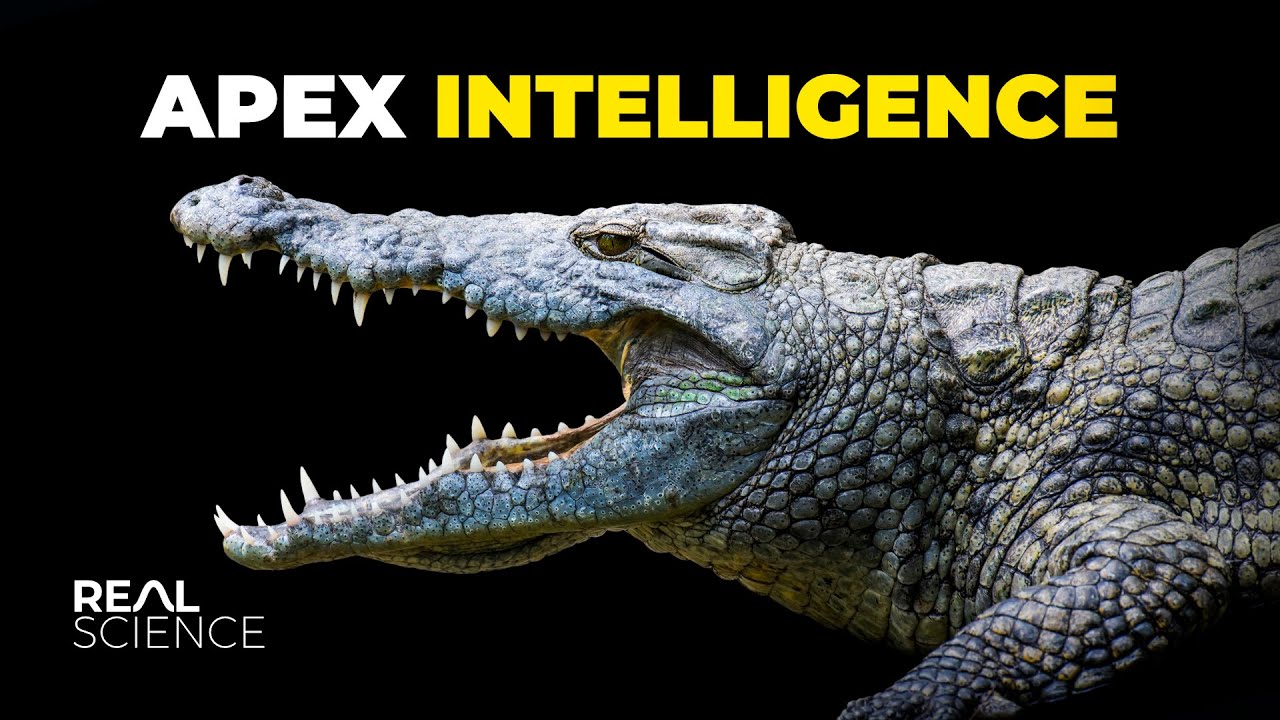
Saltwater Crocodiles: Way Smarter (and Weirder) Than You Think! The Planning Reptile Saltwater crocodiles are far from simple, reactive creatures. They exhibit long-term planning and strategic hunting, as evidenced by a zoo crocodile that patiently manipulated a keeper's feeding position over six months to create an opportunity for an attack. This intelligence, combined with their physical attributes (up to six meters long, bulletproof skin, strongest bite force), makes them formidable apex predators comfortable in diverse aquatic environments. Beyond hunting, scientists are discovering evidence of complex social lives, extensive vocalizations, and nuanced communication systems, along with remarkable maternal care for their young, challenging traditional perceptions of reptile behavior. Built for Survival: The Ultimate Reptile Machine The saltwater crocodile is the largest living reptile, inhabiting diverse environments from Southeast Asia to northern Australia. They can grow to over six meters and weigh over 1,000 kg, with the record holder, Lolong, exceeding 2,300 pounds and 20 feet. Crocodilians are responsible for a significant number of human deaths annually, though often unreported. Despite their fearsome appearance, they are more closely related to birds than lizards, sharing a common ancestor with dinosaurs over 240 million years ago. Their survival through mass extinctions is attributed to their adaptability and lifestyle. Saltwater crocodiles are exceptionally adapted for aquatic life with webbed feet, eyes/ears/nostrils on top of their heads, and the ability to seal these openings. Their tough, scute-covered skin, reinforced with osteoderms, acts as armor and prevents water loss. Uniquely, they possess salt glands on their tongues to excrete excess salt, allowing them to thrive in both freshwater and saltwater environments, a rare evolutionary feat. Their blood salt levels remain stable regardless of salinity due to this efficient excretion system. Super Senses and Deadly Weapons Saltwater crocodiles have a diverse diet, consuming fish, birds, mammals, and even bull sharks, and can be found hundreds of kilometers offshore. While their eyesight is not exceptional, especially underwater, they compensate with Integumentary Sense Organs (ISOs) – sensitive skin sensors on their snout that detect vibrations and pressure changes, acting like a full-body sonar. Their teeth, designed for piercing and holding, are continuously replaced throughout their lives (3,000-5,000 teeth). They are capable of explosive bursts of speed, reaching up to 18 mph on land or water, and can launch themselves vertically. Their bite force, exceeding 3,700 psi, is the strongest recorded for any living animal. When dealing with large prey, they employ the 'death roll' to dismember their catch. Despite their powerful jaws, they are relatively easy to keep shut. The Incredible Homing Instinct Saltwater crocodiles possess an extraordinary spatial memory and homing